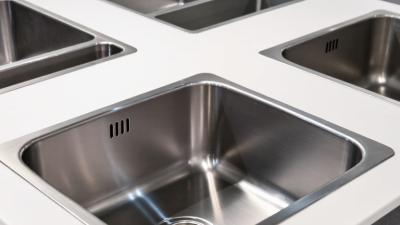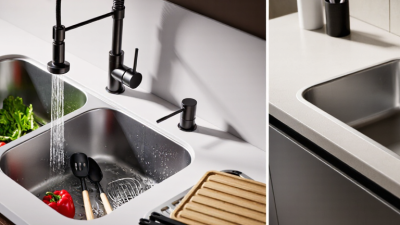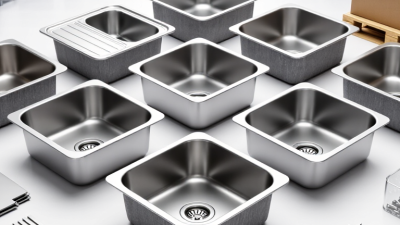
A kitchen sink faces daily impact: a cast-iron pan landing in the bowl, hot water running over brushed steel, and soap marks collecting around the drain. Price matters, but a low sticker price does not prove long-term value. Cheap High Quality Stainless Steel Sinks can be a sensible choice when buyers compare material, construction, and warranty details—not just appearance.
Industry reports offer useful context, with limits. Houzz’s 2024 U.S. Kitchen Trends Study tracks homeowner kitchen renovations and design choices; it provides renovation context, not a test of sink durability. The National Kitchen & Bath Association’s 2024 Kitchen Trends Report adds a professional perspective on evolving kitchen priorities. Neither report can confirm how a particular sink performs. Details matter. Look for clear information on stainless-steel grade, bowl depth, mounting style, finish, and sound-dampening pads. ASTM A240/A240M specifies requirements for stainless-steel plate, sheet, and strip, but compliance alone does not certify a finished sink’s overall quality. That distinction is easy to miss.
This guide compares affordable models through practical questions: Does the basin fit your largest cookware? Are the corners easy to wipe? Does the manufacturer publish steel specifications and warranty terms? A thicker gauge can feel sturdier, yet gauge alone is not a complete quality score. The honest answer is sometimes less tidy: installation, care, and product design also shape lifespan. Use the evidence as a buying aid, then check the exact model details before ordering.
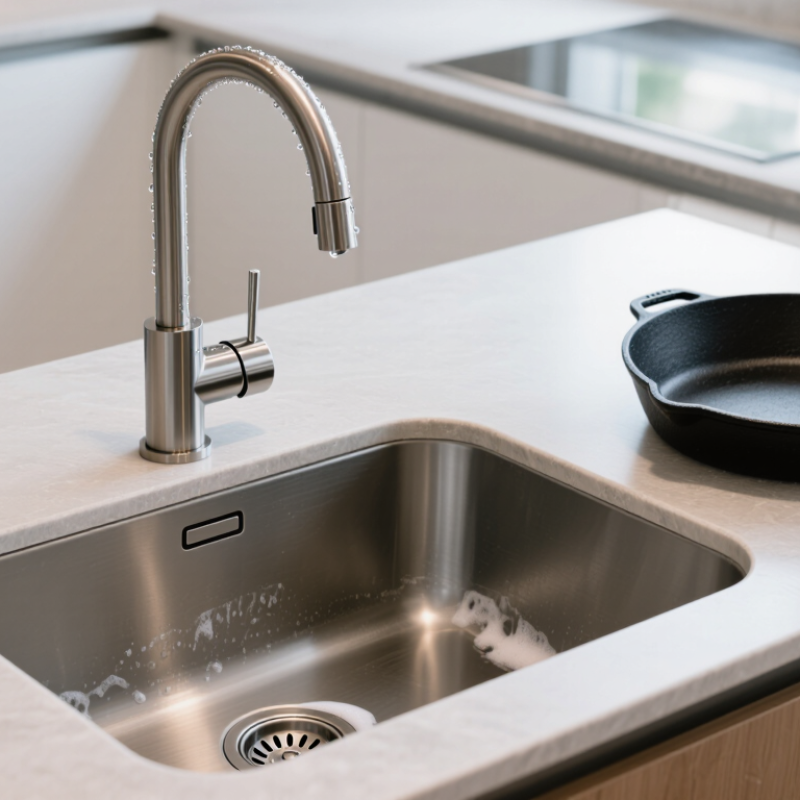
A low-priced stainless steel sink can still be dependable, but price alone tells you little. The International Stainless Steel Forum identifies stainless steel as containing at least 10.5% chromium, the element that helps form a protective surface layer. For kitchen sinks, grade, sheet thickness, weld quality, and finish all affect performance. A clear grade specification is more useful than vague claims such as “premium steel.”
World Stainless’s Stainless Steel in Figures 2024 reports 58.4 million tonnes of global stainless steel production in 2023. That scale supports a mature supply chain, but it does not prove that an individual sink is well made. Look for a stated steel grade, consistent bowl depth, smooth corners, and sound insulation that does not conceal poor fabrication. Check the underside. Thin spots around corners or uneven seams deserve a closer look.
A brushed finish can hide everyday scratches better than a mirror polish, though it will not prevent dents. Thicker steel often feels quieter and more solid, but an affordable sink need not be the thickest available. Compare specifications, not just price tags. One detail is easy to miss: mounting clips, drain openings, and cabinet fit can add costs after purchase. A budget model may be a sensible choice, but vague specifications should make buyers pause.
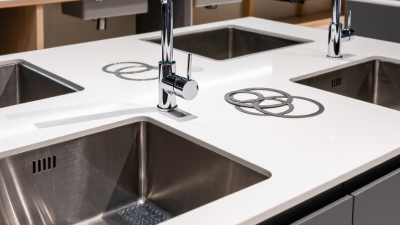
A stainless steel sink’s grade affects how it handles moisture, cleaners, and daily wear. Type 304 is a common choice because its chromium and nickel content supports corrosion resistance in kitchens. Type 316 adds molybdenum, which can help in more demanding environments, but usually costs more. Lower-cost alloys may suit light use, yet their composition and corrosion resistance can vary. Check the product specification rather than relying on “stainless steel” alone. Details matter.
Gauge describes sheet thickness, but the number can be confusing: a lower gauge usually means thicker steel. A thicker bowl may sound less tinny when a spoon drops and resist denting better. Still, gauge alone does not predict performance. Bowl shape, mounting support, and sound-dampening pads also matter. I would compare stated thickness and construction details, not just a bold gauge claim. That takes a little more effort.
Finish changes both appearance and upkeep. A brushed finish softens the look of fine scratches and fingerprints, though it still needs regular wiping. A polished surface reflects more light but can show marks quickly. Textured finishes may disguise wear, yet food residue can collect in their grooves. Rinse after salty or acidic foods, then dry the surface with a soft cloth. It is easy to forget. Even a good sink can spot if water sits overnight.
A sink’s style should match the work done around it, not just the look of the kitchen. A single-bowl sink gives large pots and baking trays room to lie flat. It also leaves fewer corners where crumbs can collect. A double-bowl model helps separate washing from rinsing, but each basin may feel cramped with wide cookware. Small kitchens vary. Measure the cabinet and the largest pan you regularly wash before choosing.
Top-mount sinks rest on the counter, making them a practical option for many surfaces and simpler replacements. Their raised rim can catch crumbs, so wipe around it often. Undermount sinks create a smooth counter edge for sweeping scraps into the basin, but they require a compatible countertop and careful installation. An apron-front sink can add deep, easy-to-reach space, though its size and weight may call for cabinet adjustments. For value, compare steel thickness, sound-dampening pads, finish, and warranty details; thickness alone does not determine overall quality. Brushed steel hides light marks better than a polished finish, but water spots may still show. I’d check the cutout twice—measurements can be annoyingly unforgiving.
| Sink style | Common mounting option | Typical configuration | Best suited to | Advantages | Considerations |
|---|---|---|---|---|---|
| Single-bowl, rectangular | Top-mount or undermount | One uninterrupted basin; common widths are around 24–33 in. | Small and medium kitchens, large cookware, and simple layouts | Usually offers generous space for pots and baking trays; fewer dividers to clean | Check bowl depth and cabinet clearance; a full basin may use more water for small tasks |
| Double-bowl | Most commonly top-mount; undermount models are also available | Two basins, often equal-sized or split into a larger and smaller bowl | Kitchens where washing and rinsing, or food preparation and cleanup, happen at the same time | Separates tasks and can make multitasking easier | The divider reduces room for wide cookware; confirm each bowl is large enough for everyday use |
| Compact bar or prep sink | Top-mount or undermount | Small single bowl, often about 15–20 in. wide | Kitchen islands, beverage areas, or kitchens needing a secondary sink | Fits limited counter space and keeps light prep separate from the main sink | Usually too small for washing full-size pots; plumbing and counter work can add cost |
| Farmhouse or apron-front | Specialty apron-front installation | A deep single or double bowl with an exposed front panel | Kitchens designed around an apron-front cabinet and a prominent sink | Deep basin can accommodate large items; distinctive front appearance | Often requires a compatible cabinet and careful fitting; replacement may involve cabinet or countertop changes |
| Workstation sink | Usually top-mount or undermount, depending on the model | Single or double bowl with ledges for accessories such as a cutting board or colander | Kitchens where food preparation needs to happen at the sink | Accessories can add prep space without requiring a separate counter area | Confirm accessory compatibility, replacement availability, and the sink’s overall dimensions |
| Top-mount (drop-in) installation | Sink rim rests on top of the countertop | Available in single-, double-, and multi-bowl styles | Budget-conscious replacements and many laminate-counter installations | Generally simpler to install or replace than an undermount sink | The rim is visible; keep the countertop-to-rim seal clean and in good condition |
| Undermount installation | Sink attaches beneath the countertop | Commonly paired with single- or double-bowl sinks | Solid-surface or stone countertops and kitchens prioritizing easy counter cleanup | Allows crumbs and spills to be swept into the sink without crossing a raised rim | Needs a compatible countertop and secure support; installation and replacement can be more involved |
| Durability and value checks | Applies to all styles and mounting types | Compare stainless grade, steel thickness, finish, sound pads, and included parts | Shoppers balancing purchase price with everyday durability | AISI 304 stainless steel is a common corrosion-resistant choice; thicker steel is indicated by a lower gauge number | Gauge alone does not determine quality. Check dimensions, cabinet fit, drain position, warranty, and whether clips or a template are included |
Fit note: Measure the cabinet opening, countertop cutout, and available depth before choosing a sink. Product dimensions and installation requirements vary by model.
In 2026, compare sinks by steel grade, thickness, bowl shape, and installed cost—not the discount label alone. Type 304 stainless steel is a common kitchen choice because it resists everyday corrosion. Gauge numbers run backward: 16-gauge steel is thicker than 18-gauge steel. Tap the bowl and check underneath for sound-dampening pads; a thin, hollow ring can be annoying in a quiet kitchen. Small detail. A deeper bowl helps with stockpots, but it may make reaching the drain less comfortable.
Compare quotes with the same dimensions and included parts. Check whether the price covers the drain assembly, mounting clips, strainer, delivery, and installation. Houzz’s 2024 U.S. Kitchen Trends Study reported a $55,000 median spend for major kitchen remodels. That figure covers the broader project, not a sink, but it shows why small upgrades deserve a clear budget. Ask for the sink’s material specification in writing; “stainless steel” alone does not tell you its grade or thickness.
Read warranty terms before paying. Compare coverage length and exclusions for scratches, stains, corrosion, finish changes, and labor. A long warranty can still offer little help if it covers only manufacturing defects or excludes installation problems. Keep the receipt and care instructions. Honestly, warranty wording can be tedious, but it matters when a drain begins leaking or a finish claim is denied. Check whether the seller or manufacturer handles claims, and ask how replacement parts are obtained.
Compare a key quality feature: nominal stainless-steel sheet thickness by gauge. Lower gauge numbers indicate thicker steel.
Values show approximate standard sheet thickness, not a guarantee of finished sink thickness. Sink prices and warranty coverage vary by size, finish, installation type, and seller; compare current listings and read warranty terms before buying.
A low-cost stainless steel sink can still serve well when its thickness, finish, and installation suit your kitchen. Check the gauge, but compare actual specifications because gauge labels can be confusing. A deeper bowl helps contain splashes from rinsing large pans. Look beneath the rim, too; rough edges or weak mounting hardware can make installation frustrating. A brushed finish hides everyday water marks better than a mirror-like surface, though it is not scratch-proof.
Tips: Run your hand over the edges before buying. Choose a basin size that fits your cabinet, and ask whether sound-dampening pads are included. They reduce the hollow clatter of dishes. Small detail, real difference.
For routine care, rinse away food and use mild dish soap with a soft sponge. Wipe the sink dry with a clean cloth to limit mineral spots, especially around the faucet. Avoid leaving salty or acidic foods in the basin for long periods. Do not scrub with steel wool; it can leave particles that rust on the surface. If a mark remains, test a suitable stainless-steel cleaner in a hidden area first. Honestly, some fine scratches will appear over time. That is normal use, not necessarily a sign of poor quality. Cleaning with the grain helps keep them less noticeable.