Inquiry
Form loading...

Top Custom Stainless Steel Sink Manufacturers

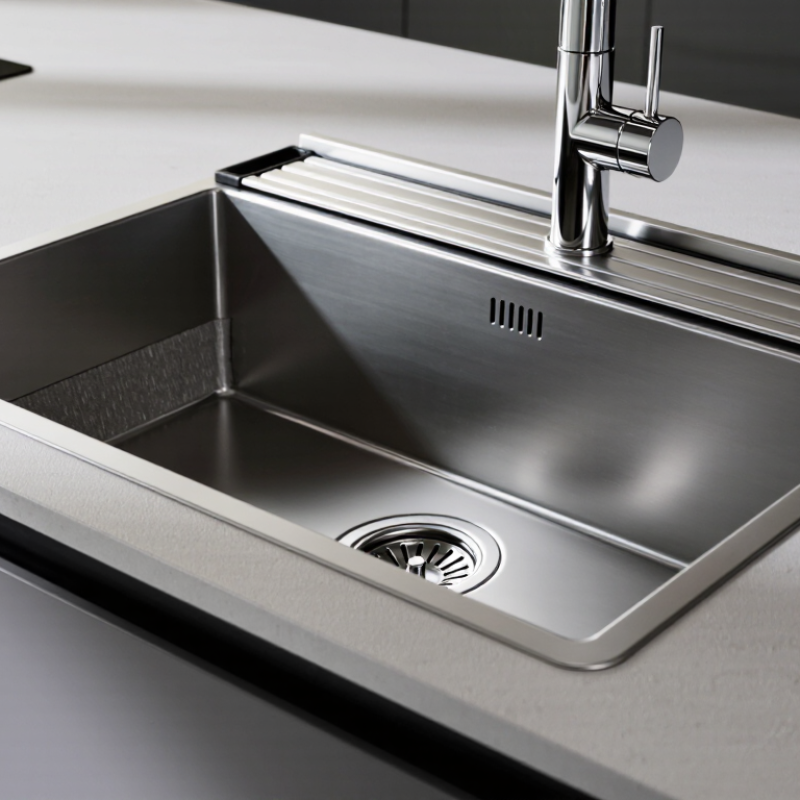
Choosing among the top custom stainless steel sink manufacturers requires more than comparing polished product photos. A sink must fit its cabinet, plumbing, daily workload, and preferred style. Small details matter. Bowl depth, corner radius, drain position, and sound-dampening pads can affect both installation and everyday use.

Customization Stainless Steel Sink options may include tailored dimensions, bowl layouts, finishes, and accessory ledges. The right manufacturer should explain which changes are practical and how they affect price and delivery time. Ask for clear drawings, material specifications, sample finishes, and written quality-control details. Verify claims against documents, rather than relying on broad marketing promises. A consistent production process matters.

Still, no checklist removes every trade-off. A thicker steel sheet may feel sturdier, but the full sink design and installation also matter. A brushed finish can soften visible marks, though it is not mark-proof. Manufacturers differ in communication and customization limits, too. This guide introduces the factors buyers can use to compare suppliers, assess workmanship, and ask better questions before ordering. A careful review helps narrow the field without assuming that one manufacturer suits every project.
Top Custom Stainless Steel Sink Manufacturers

What Defines a Custom Stainless Steel Sink Manufacturer

What Defines a Custom Stainless Steel Sink Manufacturer

A custom stainless steel sink manufacturer turns a measured requirement into a finished, usable fixture. That means more than changing a bowl’s width. The team should confirm cabinet dimensions, countertop cutout, drain position, bowl depth, and installation type before fabrication. A few millimeters can affect fit. Details matter.

Experienced manufacturers can explain how steel thickness, alloy selection, and forming methods affect stiffness and daily use. They should also describe weld finishing, corner geometry, and surface options in practical terms. For example, a tight-radius corner may look sleek but can be harder to clean. Ask for drawings with dimensions and tolerances, plus a sample finish when appearance matters. Clear answers build trust; vague promises do not.

Tips: Share a cabinet drawing and intended use. Ask how the sink is inspected for dimensions, weld quality, and drainage. Confirm what happens if a sample or specification changes. Custom work can involve trade-offs, and even a careful process may need revision. That is worth discussing early.
How Custom Stainless Steel Sinks Are Designed and Made

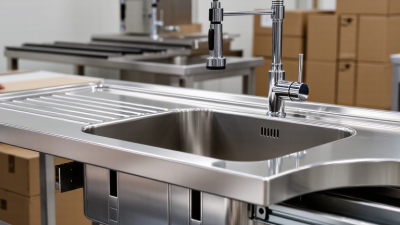
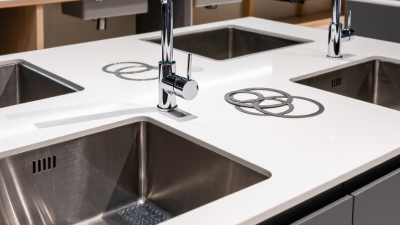
A custom stainless steel sink begins with the room, not the metal. Designers measure the cabinet, countertop opening, plumbing, and the way people actually use the kitchen. Bowl depth, divider height, drain position, and corner radius all affect comfort and fit. A paper template helps catch awkward clearances before fabrication begins. One detail is easy to underestimate: a deep bowl may look spacious but feel uncomfortable for shorter users.

Fabricators cut stainless steel to specification, form the bowl, and weld joints with controlled heat to limit distortion. They grind and finish visible seams, then clean the surface and inspect dimensions, drainage, and weld quality.

The World Stainless Association reported 58.4 million tonnes of global stainless-steel crude production in 2023 in its Stainless Steel in Figures 2024 report. That industry-wide figure shows the scale of stainless production; it does not, by itself, verify a particular sink’s quality.

Even a careful drawing can miss how a sink feels in daily use, so prototypes or sample reviews can be valuable.

Tips: Confirm cabinet and faucet measurements before ordering. Ask for the steel grade, thickness, finish sample, and inspection criteria in writing. Check that water drains fully; small puddles are easy to overlook.

Key Criteria for Evaluating Sink Manufacturers

A custom sink is judged by more than its showroom finish. The World Stainless Association reported 58.4 million tonnes of global stainless steel production in 2023, up 4.6% from 2022. That figure signals a large supply chain, not consistent sink quality. Ask manufacturers to identify the steel grade and provide traceable material certificates. For sheet specifications, check whether documentation references ASTM A240.

Inspect a physical sample under bright light. Look for even brushing, smooth corners, and clean welds without pits or sharp edges. Confirm steel thickness in millimetres, rather than relying on gauge alone, since gauge conventions can vary. Ask how the maker checks dimensions, bowl depth, drain placement, and sound-dampening pad coverage. Small inconsistencies show up quickly during installation.

Request written test methods for finish durability, leakage, and dimensional tolerance. A capable manufacturer should explain results and how defects are handled, not just promise “premium quality.” Ask for a sample inspection record and a recent production reference. This takes time. A polished sample can still mislead; I would compare it with a finished unit from regular production. Specification sheets matter, but so does seeing how the factory handles a real order.

Leading Custom Stainless Steel Sink Manufacturers

Leading custom stainless steel sink manufacturers distinguish themselves through engineering, not polished catalog images alone. World Stainless Association reported 58.4 million tonnes of global stainless steel production in 2023. That scale shows the material’s industrial reach, but it does not prove any sink’s durability. Tonnage is not quality. Buyers should compare steel grade, sheet thickness, weld consistency, and finish specifications. Grade 304 suits many kitchens, while more corrosive environments may call for other alloys. A manufacturer should explain the trade-offs clearly.

Custom work becomes visible in daily use. A deep single bowl may fit baking trays, while a rear-set drain can leave more usable cabinet space. Ask how the maker controls corner radii, sound-dampening pads, and surface scratches during fabrication and shipping. Request drawings with dimensions, drain positions, and installation clearances before production. Small tolerances matter. The World Stainless Association’s production figures describe the wider material sector, not sink performance; that distinction is easy to overlook. Strong manufacturers support their claims with material documentation, sample finishes, and inspection records, though custom tolerances still deserve careful review.

Industries and Projects Served by Custom Sink Makers

Custom stainless steel sinks serve projects where daily workflow matters as much as appearance. In restaurants, fabricators may build deep, multi-bay sinks with drainboards for washing, rinsing, and sanitizing. The National Restaurant Association’s 2024 State of the Restaurant Industry report projected U.S. restaurant sales of $1.1 trillion. That scale helps explain demand for durable, easy-to-clean fixtures. Still, a busy kitchen does not always need the largest sink.

Small details matter.

Healthcare facilities and laboratories often need dedicated handwashing or utility sinks. Project teams may specify rounded corners, splashbacks, hands-free controls, or custom dimensions to fit narrow rooms. These choices should match the actual task, cleaning routine, and available plumbing. A custom feature can complicate maintenance if staff cannot reach it easily.

Construction data offers another useful signal. The U.S. Census Bureau reported $1,978.7 billion in U.S. construction spending for 2023, up 7.0 percent from 2022. This broad figure does not measure sink demand directly, but it shows the scale of building activity across sectors. Custom sink makers also serve hotels, schools, food-processing sites, and residential renovations. Before ordering, project teams should confirm bowl depth, steel thickness, installation clearances, and expected use. One overlooked measurement can delay installation.

Top Custom Stainless Steel Sink Manufacturers

Representative Basin Depths for Industries and Projects Served

Typical planning ranges vary by application: residential kitchens often use 8–10-inch basins, while foodservice and laboratory projects may require 10–14 inches. Bars show representative values within these ranges; final specifications depend on the workflow, equipment, and applicable requirements.