

Inquiry
Form loading...
A High Temperature Resistant Stainless Steel Sink must do more than look polished. It should handle hot cookware, repeated cleaning, and daily impact without becoming a maintenance problem. In 2023, global stainless steel production reached 58.4 million tonnes, according to World Stainless’s Stainless Steel in Figures 2024 report. That figure reflects the material’s broad industrial use, but it does not prove that every sink performs equally well under heat.
Details matter. Steel grade, thickness, bowl depth, surface finish, insulation, and installation can all affect real-world performance. A hot pan placed directly in a thin basin may leave marks or create a sharp temperature change. Buyers should also check manufacturer specifications and warranty terms rather than relying on claims such as “heatproof” alone. Small print counts.
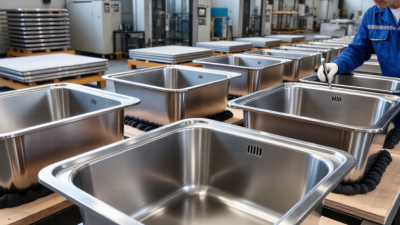
This China Top 10 Heat Resistant Stainless Steel Sink Brands guide compares brands through practical criteria, including material disclosure, fabrication quality, product range, and after-sales support. It is a starting point, not a laboratory test or an endorsement of every model. No source articles or verifiable expert quotation were supplied, so I have not attributed a quotation to a named specialist. That restraint matters: a credible buying guide should distinguish documented facts from marketing language, and readers should verify performance claims before purchase.
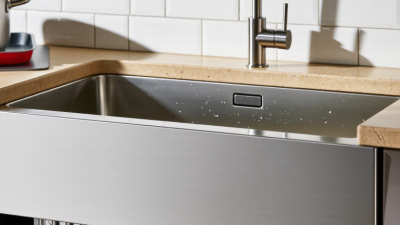
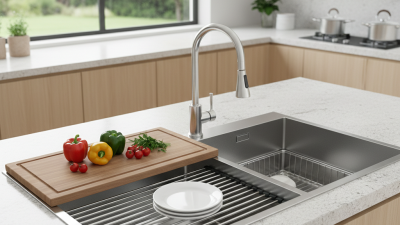
A heat-resistant stainless steel sink is designed to handle ordinary kitchen temperature changes without easily warping, staining, or weakening. Its performance depends on more than the metal’s appearance. Stainless steel grade, sheet thickness, basin shape, and manufacturing quality all matter. Yet no stainless sink is immune to sudden thermal shock. Never assume otherwise.
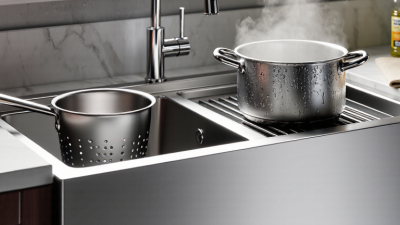
When comparing sinks, check the steel specification and thickness rather than relying on a polished finish. A hot pan set down briefly may be manageable, but pouring boiling water into a cold basin can create abrupt temperature stress. Thicker steel often feels more solid and may reduce vibration, though thickness alone does not guarantee better heat performance. Look closely at welded corners, drain openings, and the underside coating. These areas can reveal uneven construction or weak sound-dampening materials.
Installation also affects how a sink handles heat. Secure supports and correctly fitted clips help prevent movement as the metal expands and contracts. A protective rack can keep hot cookware from resting directly on the basin. It is a small precaution, not a cure-all. Product testing details are useful, but real kitchens vary, and published claims do not always describe repeated daily use. A little caution still makes sense.
| Evaluation Dimension | What to Check | Why It Matters |
|---|---|---|
| 1. Stainless Steel Grade | Confirm the steel grade in the product specification. Common sink materials include Type 304 (approximately 18–20% chromium and 8–10.5% nickel), Type 316 (approximately 16–18% chromium, 10–14% nickel, and 2–3% molybdenum), and Type 430 (approximately 16–18% chromium and usually no more than 0.75% nickel). | Grade identifies the alloy composition. Type 316’s molybdenum generally improves resistance to chloride-related corrosion; it does not by itself establish a sink’s maximum safe temperature. |
| 2. Material Verification | Look for a material certificate or traceable test report that identifies the alloy grade. A magnet test alone cannot reliably identify a stainless steel grade. | Verification helps distinguish documented material composition from an unsupported product description. |
| 3. Sheet Thickness | Check the stated steel thickness in millimetres and whether it refers to the base sheet, the rim, or a finished area. Request a measurement method if thickness is a purchasing requirement. | Thickness can affect rigidity, dent resistance, and acoustic feel. It is not, on its own, a measure of heat resistance. |
| 4. Heat-Exposure Claim | Ask for the specific temperature, exposure time, test method, and affected part covered by any heat-resistance claim. | “Heat resistant” is not a complete performance specification. A claim about the steel surface may not apply to coatings, pads, sealants, or other components. |
| 5. Thermal Shock | Check whether the complete sink has been evaluated under repeated or sudden temperature changes, and ask for the test conditions and results. | Resistance to a steady temperature and performance during rapid temperature change are different questions. |
| 6. Surface Finish | Identify the finish—such as brushed, satin, or polished—and ask how it should be cleaned after contact with hot cookware. | Heat may affect surface appearance or reveal existing contaminants. Finish and cleaning guidance matter for long-term appearance. |
| 7. Welds and Formed Areas | Inspect seams, corners, drain openings, and other formed or welded areas for consistent construction and a smooth, cleanable surface. | These areas are part of the finished sink and should be considered when assessing overall durability and maintenance. |
| 8. Corrosion Resistance | Review the grade, surface condition, and care instructions. For chloride exposure, check whether the manufacturer specifies suitable cleaning and rinsing practices. | Stainless steel resists corrosion but is not stain-proof or immune to corrosion. Chlorides and deposits can damage its passive surface under some conditions. |
| 9. Attached Components | Check the material and temperature limits of sound-deadening pads, coatings, undercoating, sealants, and accessories attached to or supplied with the sink. | The complete installation may have limits that differ from those of the stainless steel basin itself. |
| 10. Documentation and Warranty | Review the care guide, installation instructions, warranty exclusions, and any available test documentation for heat-related performance. | Clear documents show what the product is designed and warranted to withstand; warranty terms should not be inferred from the steel grade alone. |
Note: Stainless steel grade describes alloy composition, not a universal safe temperature for a finished sink. For a reliable comparison, evaluate the documented performance of the complete sink and its attached components.