Inquiry
Form loading...

5 Tips for High Temperature Resistant Stainless Steel Sink?

A kitchen sink faces more than water. It receives boiling pasta, hot baking trays, steam, detergents, and sudden temperature changes. That is why choosing a High Temperature Resistant Stainless Steel Sink requires more than checking its surface shine. The steel grade, thickness, welding quality, insulation, and installation method all affect real-world performance.

Industry guidance supports this practical approach. The World Stainless Association identifies corrosion resistance, durability, and recyclability as major advantages of stainless steel. However, stainless steel is not automatically immune to heat damage. Technical information from the British Stainless Steel Association explains that temperature changes can cause expansion and contraction, especially when different materials meet. NSF/ANSI 51 also emphasizes that food-contact equipment should use suitable materials and hygienic construction. These references do not replace product testing, but they provide a reliable starting point.

A sink is not a furnace. Still, repeated exposure to hot cookware can reveal weak welds, thin panels, poor soundproofing, or unstable mounting. I have seen buyers focus on gauge numbers while overlooking the sink’s underside and support structure. That is an easy mistake. A practical evaluation should examine heat tolerance, corrosion resistance, finish stability, drainage design, and manufacturer documentation together. The following five tips explain what to inspect before purchase. Some advice may seem obvious, but kitchen failures often begin with small oversights. Even a beautiful sink can disappoint when heat, moisture, and daily impact meet.
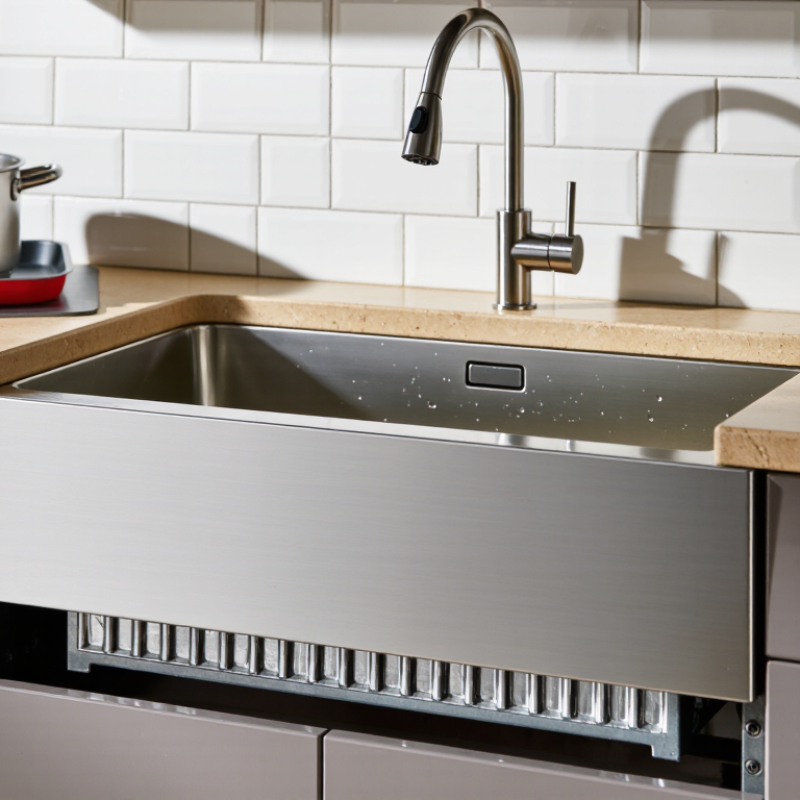
5 Tips for High Temperature Resistant Stainless Steel Sink?

Choosing the Right High-Temperature Stainless Steel Sink Material

Choosing the Right High-Temperature Stainless Steel Sink Material

A high-temperature sink needs more than a shiny surface. Choose stainless steel by grade, thickness, and fabrication quality. Type 304 is the practical baseline for most kitchens. It contains enough chromium and nickel to resist heat, moisture, and common food acids. Type 316 offers stronger chloride resistance, which helps near salty water or coastal air. However, 316 is not automatically better for every sink.

Check the material certificate against ASTM A240 requirements. This standard covers stainless steel plate, sheet, and strip composition. Euro Inox technical data lists a melting range above 1,400°C for common austenitic grades, but that figure can mislead buyers. A sink should never be judged by melting point alone.

Repeated contact with boiling pots can stress thin panels and weak welds. The Nickel Institute also notes that surface contamination and poor cleaning can reduce stainless steel’s corrosion performance.

For daily use, select a deeper, heavier-gauge basin with fully welded corners. A thicker panel feels less “tinny” and controls vibration under hot cookware. Avoid placing a red-hot pan directly on the sink. Thermal shock can damage coatings, sealants, or nearby countertops, even when the steel survives.

ASTM A967 passivation guidance is useful for checking post-fabrication treatment. One detail is easy to miss: insulation beneath the bowl protects the cabinet and reduces sudden temperature changes.

Specification sheets matter, but installation quality still decides much of the result.
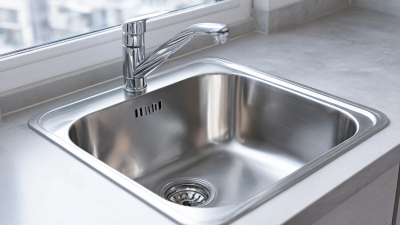
Checking Heat Resistance Ratings and Manufacturing Quality

A heat-resistant stainless steel sink is not judged by one impressive number. Check the stated operating temperature, testing method, and exposure time. A brief contact rating differs from continuous heat resistance. Read the test sheet. Ask whether the basin survived repeated heating and cooling, not only one hot-pan trial. Thermal shock can reveal distortion, coating failure, or weakened welds. Those details matter in a busy kitchen.

Alloy grade also deserves attention. Common stainless grades vary in chromium, nickel, corrosion resistance, and fabrication behavior. The grade should be stated clearly, with thickness or gauge included. A thick basin often feels more stable, but thickness alone cannot prove quality. Inspect the underside. Clean welds, even corners, and smooth drainage areas suggest controlled production. Rough seams may collect residue and create stress points. Ask for material certificates and independent test records when available.

Manufacturing quality is where many specifications become real—or disappointing. Look for accurate dimensions, firm sound-damping pads, consistent polishing, and secure mounting edges. The drain opening should sit flat, without visible ripples. I would also run warm and hot water gradually, rather than placing a cold basin under extreme heat. That simple habit reduces thermal shock. Still, home testing is limited. A supplier’s documented thermal-cycle test is more dependable than a sales claim. One mistake is trusting a maximum temperature without checking how the sink was tested.

Using Safe Practices for Hot Cookware and Boiling Water

5 Tips for High Temperature Resistant Stainless Steel Sink

Safe handling matters more than a sink’s heat-resistance claim. The NFPA’s Home Cooking Fires report recorded an average of 158,400 residential cooking fires annually in the United States from 2017 to 2021. Hot cookware creates more than surface damage. It can cause burns, splashing, and sudden contact with nearby materials. Keep a dry trivet beside the sink. Lift pans with both hands. Never slide a heavy, hot pan across the basin. Let cast iron and glass cookware cool briefly before placing them inside. Small habits prevent dramatic mistakes.

Boiling water needs controlled handling. Turn on a modest stream of cool water before draining a large pot, unless your sink or plumbing instructions say otherwise. Pour slowly toward the basin wall, not directly onto a dry drain seal. This reduces localized heat and splashing. Do not combine boiling water with cleaning chemicals. The fumes and reactions can become dangerous. Stainless steel has strong heat tolerance, but the surrounding sealant, drain parts, and countertop may not. Check those components, too. I once treated the metal basin as the whole system; that was careless. Clean spills promptly, and use a soft pad under hot cookware. According to the U.S. Consumer Product Safety Commission, cooking remains a leading source of residential injury reports, so convenience should never outrank hand protection.

Cleaning and Maintaining the Sink After High-Heat Exposure

After High-Heat Exposure: Cleaning and Maintaining a Stainless Steel Sink

A heat-resistant stainless steel sink can handle demanding kitchen work, but it is not heat-proof. Allow the basin to cool naturally before cleaning it. Cold water on a very hot surface may cause sudden thermal stress. That mistake is easy to make.

Once the sink feels warm, rinse away loose residue with lukewarm water. Apply a small amount of mild dish soap, then wipe with a soft sponge. Follow the metal’s grain, not circularly across it. Dry the surface with a clean microfiber cloth to prevent water spots. For baked-on marks, spread a paste of baking soda and water for several minutes. Rinse thoroughly afterward.

Inspect the sink under bright light. Look for discoloration, shallow dents, rough patches, or weakened drain seals. Light rainbow coloring often affects appearance rather than performance, but aggressive scrubbing can make it worse. Avoid steel wool, abrasive powders, and chlorine-based cleaners. They may scratch stainless steel or encourage corrosion. I once cleaned a warm sink too quickly and left cloudy streaks behind. Patience would have worked better.

Keep hot cookware on a trivet or heat-safe pad instead of directly on the basin. Check the surrounding countertop and sealant after unusual heat exposure. If the sink rocks, leaks, or shows a sharp deformation, stop using that area and arrange a professional inspection. Temperature resistance reduces risk; it does not remove the need for care.

5 Tips for High Temperature Resistant Stainless Steel Sink? - Cleaning and Maintaining the Sink After High-Heat Exposure

No. Maintenance Dimension Recommended Practice Useful Data Reason and Safety Note
1 Allow gradual cooling Remove the hot cookware and let the sink cool naturally before rinsing or cleaning. If necessary, use lukewarm water rather than very cold water. Boiling water is approximately 100°C at sea level. Sudden temperature changes can create thermal stress and may contribute to distortion, coating damage, or stress around fixtures. Stainless steel itself melts far above normal household temperatures, but the sink, sealants, mounting system, and surrounding countertop have different heat limits.
2 Remove heat marks gently Wash with warm water and a mild, non-abrasive dish detergent. For persistent marks, apply a paste of baking soda and water, then rub softly with a damp microfiber cloth. Use short cleaning passes of about 1–2 minutes, followed by thorough rinsing. Heat tint and water spots are often surface discoloration rather than structural damage. Avoid steel wool, wire brushes, and rough scouring pads because they can scratch the passive surface and leave carbon-steel particles that later rust.
3 Clean in the grain direction Wipe with a soft cloth or non-abrasive sponge, following the visible polishing lines of the stainless steel. Rinse away all cleaner residue. Clean at least weekly, and after exposure to salt, acidic food, or concentrated cleaners. Following the grain helps reduce visible scratches. Salt and acidic residues can promote localized corrosion if they remain on the surface for extended periods.
4 Avoid corrosive chemicals Do not use chlorine bleach, hydrochloric-acid cleaners, or products containing chlorides unless the sink-care instructions specifically permit them. Never mix cleaning chemicals. Do not leave any chemical cleaner on the surface longer than its label allows. Chlorides can damage stainless steel’s protective passive layer and cause pitting corrosion. Chemical mixtures may release hazardous gases or create dangerous reactions.
5 Rinse, dry, and inspect Rinse thoroughly after cleaning, dry with a soft towel, and check the basin, drain, seams, and faucet area for discoloration, scratches, or leaks. Dry after each cleaning session; inspect after every significant high-heat incident. Drying reduces mineral water spots and residue buildup. Stop using the sink and arrange an inspection if there is visible warping, a damaged seal, a persistent leak, or exposed mounting material.
Important: Stainless steel is heat-resistant, but the sink’s insulation, mounting hardware, sealants, plumbing connections, countertop, and accessories may have lower heat limits. Always follow the sink manufacturer’s care instructions when available.

Preventing Heat Damage Through Proper Installation and Care

5 Tips for High Temperature Resistant Stainless Steel Sink

Preventing Heat Damage Through Proper Installation and Care

A stainless steel sink handles boiling water well, but heat resistance is not heat immunity. During installation, use a rigid, level support beneath the basin. Uneven pressure can stress welds and create small leaks over time. Leave room for normal expansion around the rim. A qualified installer should also check the drain connection and sealant against local plumbing requirements.

Keep hot cookware on a trivet, not directly inside the sink. Thermal shock can occur when a very hot pan meets cold water. Let the pan cool briefly, then run lukewarm water before rinsing it.

This small pause matters.

I once treated it as unnecessary and noticed faint discoloration near the drain. The mark was removable, but the mistake was avoidable.

Rinse away salty or acidic food residue quickly, then dry the surface with a soft cloth. Use a non-abrasive cleaner and wipe with the grain. Avoid steel wool, harsh scouring powders, and chlorine-based products unless the care instructions specifically permit them. Inspect the rim, drain, and underside twice a year. Look for loose sealant, moisture, or dull heat marks. If damage keeps returning, stop guessing and ask a qualified plumber or metal-care professional to assess the installation.