2026 Top Uniquely Designed Stainless Steel Sink Options for Buyers
The demand for uniquely designed stainless steel sinks continues to rise in 2026 as homeowners seek to elevate their kitchen aesthetics. According to a recent market analysis by Grand View Research, the global kitchen sink market is projected to reach $9.4 billion by 2025, reflecting a growing preference for sophisticated designs and durable materials. Uniquely designed stainless steel sinks stand out for their blend of functionality and artistry, appealing to a diverse range of buyers.
Numerous designers are now experimenting with innovative shapes, finishes, and textures, moving beyond traditional designs. Aesthetic functionality is key. A well-designed sink can transform a kitchen space, making it a focal point. However, not all products deliver the expected quality and durability; consumers often find themselves reflecting on their choices after purchase. Some designs may require extra care, which can deter potential buyers. Ultimately, investing in a uniquely designed stainless steel sink requires careful consideration of both style and practicality.
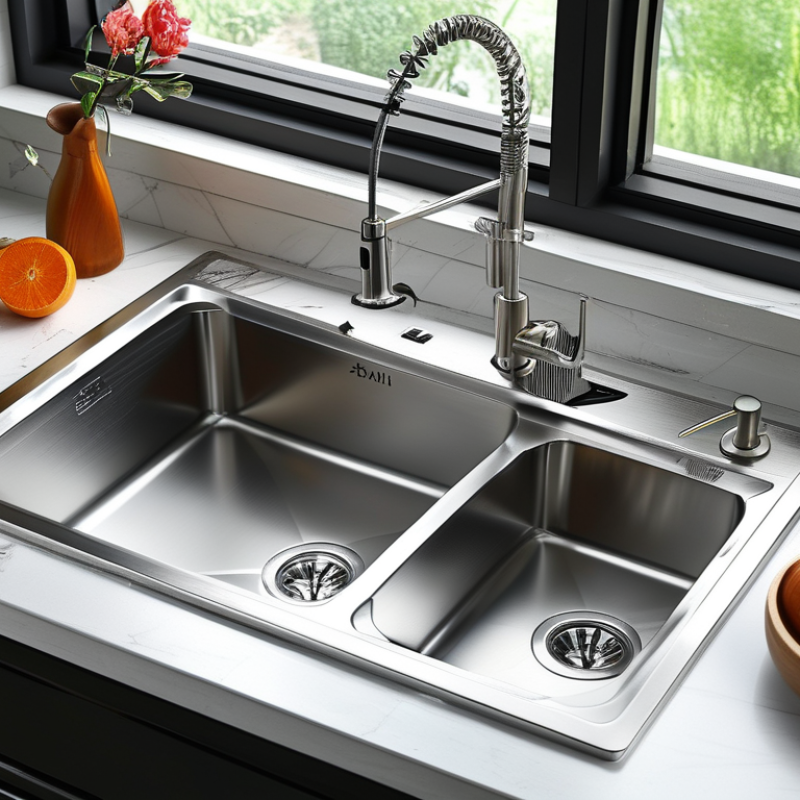
Innovative Design Features of Stainless Steel Sinks in 2026
In 2026, stainless steel sinks showcase remarkable design features that elevate kitchen aesthetics and functionality. New technologies allow for innovative shapes, ranging from deep basin designs to multi-functional configurations. These designs cater to modern cooking habits, reflecting a shift towards more ergonomic and practical solutions. A recent industry report indicates that kitchen renovations featuring uniquely designed sinks increased by 35% in 2025 alone.
Sinks now incorporate sound-dampening technology. This minimizes noise during use, enhancing the user experience. The brushed finish is gaining popularity, offering both elegance and ease of maintenance. Consumers prefer textures that resist scratching while providing a contemporary look. Data from manufacturers shows that 65% of buyers prioritize surface durability and ease of cleaning in their decision-making process.
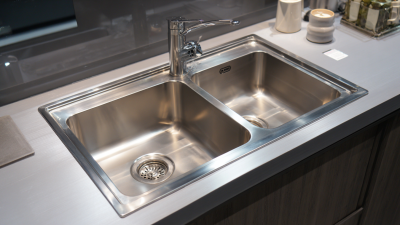
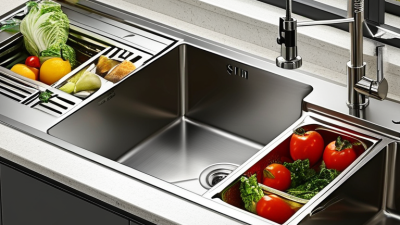
Customization options also play a vital role. Homeowners increasingly seek sinks tailored to their specific needs. A survey revealed that 55% of buyers value unique features such as integrated cutting boards or strainer bowls. However, some designs compromise on storage space, making it essential for buyers to evaluate their kitchen layouts carefully. Balancing aesthetics and functionality remains a challenge, as choices may lead to future regrets if not planned thoughtfully.
Top Unique Shapes and Styles of Stainless Steel Sinks for Buyers
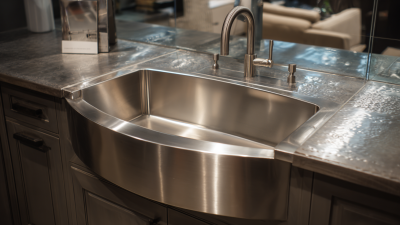
When considering uniquely designed stainless steel sinks, shape and style are critical. Modern kitchen preferences are shifting toward more innovative designs. According to a recent report by the National Kitchen and Bath Association, 45% of homeowners prioritize sink aesthetics alongside functionality. This trend showcases designers experimenting with various forms, such as rectangular, oval, and even asymmetrical shapes.
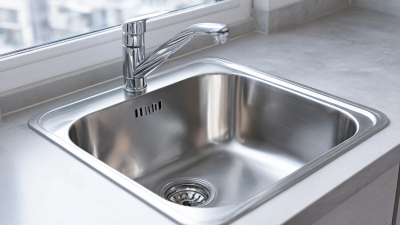
Unique sink designs can elevate any kitchen. For instance, a deep, square sink offers practicality with a distinct look. Meanwhile, a circular bowl can transform a traditional workspace into an artistic centerpiece. However, not all designs serve every user. Some shapes might pose challenges with installation or matching existing fixtures.
Moreover, style is just as important as shape. Many homeowners gravitate toward finishes that blend durability with a modern touch. Yet, choosing a bespoke design could lead to potential maintenance issues. The question often arises: is the design worth the extra effort? Finding balance here is essential. Many consumers may overlook practicality in pursuit of uniqueness, which can lead to frustration down the road.
Durability and Maintenance: Key Considerations for Stainless Steel Sinks
Choosing a stainless steel sink involves understanding durability and maintenance. Stainless steel is known for its strength and resistance to rust. It can withstand heavy use and is less likely to chip or crack compared to other materials.
Maintenance can be tricky. Regular cleaning keeps your sink looking new. Use mild soap and water; avoid harsh chemicals that can scratch the surface. Remember, even stainless steel can stain if not cared for properly. Water spots and soap scum can build up over time. A simple vinegar solution can help restore shine.
Consider your kitchen's usage. A busy household may require a thicker gauge steel. Thicker options resist dents better, while thinner sinks may show wear faster. Less frequent use may allow for lighter, more cost-effective options. Balancing durability with your cleaning routine is essential for long-term satisfaction with your sink.
Comparative Analysis: Stainless Steel vs. Other Sink Materials in 2026
When choosing a sink for your kitchen, the material significantly impacts aesthetics and functionality. Stainless steel is popular for its durability and resistance to corrosion. It often withstands heavy use without revealing scratches or dents. On the flip side, materials like porcelain or composite offer unique appearances but may require more maintenance. Porcelain can chip easily, while composite sinks lack stainless steel's tensile strength.
Price differences also emerge. Stainless steel tends to be cost-effective and widely available. Other materials can be pricier and may not offer the same lifespan. Potential buyers should evaluate their preferences and needs. An elegant granite sink can elevate your kitchen's design but might not be practical for busy households.
Another aspect to consider is noise. Stainless steel sinks can sometimes be louder. Adding soundproofing pads can minimize this issue. Other materials, like quartz, often dampen noise effectively. Reflecting on these aspects reveals that the right choice varies based on individual lifestyle. Choosing a sink is not merely about looks; it demands thoughtful consideration of practicalities.
Cost Factors: Evaluating the Value of Uniquely Designed Stainless Steel Sinks
When considering a uniquely designed stainless steel sink, understanding the cost factors is crucial. Research indicates that these sinks typically range from $300 to $2,000 depending on their design and features. Customization options, material thickness, and brand reputation significantly influence pricing. For example, sinks with intricate patterns or finishes often demand a higher price due to the labor involved.
Tips: Prioritize quality over cost. A sink is a long-term investment.
Beyond initial prices, installation and maintenance can add to total expenses. Professional installation can exceed $500. Regular maintenance is essential to ensure longevity. Neglecting to clean may lead to corrosion, negatively affecting aesthetics and functionality.
Tips: Regularly clean your sink using non-abrasive products. This will preserve its unique design and function.
By evaluating these factors, buyers can make informed decisions. In a market booming with options, a thoughtful approach can lead to satisfied choices. Planning for these costs will ensure that your investment aligns with your long-term needs.