China Best High Temperature Resistant Stainless Steel Sink?
Choosing the China Best High Temperature Resistant Stainless Steel Sink takes more than comparing polished finishes and prices. Stainless steel is widely used, but “heat resistant” is not a single performance grade. Alloy composition, sheet thickness, forming quality, insulation, and installation can all affect how a sink handles hot cookware and repeated temperature changes.
The scale of the material industry is substantial. World Stainless reported global stainless steel production of 58.4 million tonnes in 2023 in its Stainless Steel in Figures 2024 report. That figure shows the breadth of stainless steel manufacturing, not the performance of any particular sink. Buyers should ask suppliers for the steel grade, product specifications, and relevant test documentation. A clear answer matters.
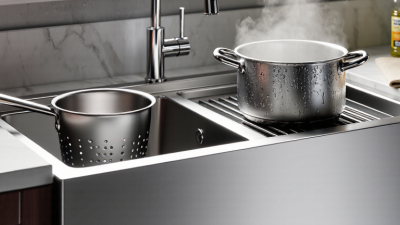
A High Temperature Resistant Stainless Steel Sink should be assessed against realistic kitchen use: a hot pan set briefly in the basin, boiling water poured into the bowl, and daily exposure to warm dishwater. These are different conditions. Do not assume that a “high-temperature” label guarantees resistance to thermal shock, surface discoloration, or damage to accessories. There is a catch: product claims may not explain the test method. Compare documented specifications, inspect welds and corners, and confirm warranty coverage before choosing a Chinese manufacturer. The best option is the one whose evidence matches your actual use—not simply the one with the boldest claim.
What Defines a High-Temperature-Resistant Stainless Steel Sink?
A high-temperature-resistant stainless steel sink is not defined by a label alone. Its performance depends on the steel grade, thickness, forming, weld quality, and type of heat exposure. Common grades such as 304 offer useful corrosion resistance, but the grade alone does not guarantee resistance to thermal distortion. Heat travels through the bowl and may stress thin panels or poorly finished joints.
In a kitchen, hot tap water and brief contact with a warm pan are ordinary conditions. A glowing-hot pot placed directly in the basin is different. Sudden, concentrated heat can discolor the surface or contribute to distortion, especially in a lightweight sink. Details matter. Check the stated steel grade and thickness, inspect the seams, and consider whether the sink is firmly supported. Its mounting points should also allow for normal expansion and contraction.
“Heat resistant” is best treated as a performance claim, not an unlimited promise. Ask what temperature was tested, for how long, and whether exposure involved direct contact or hot water. Without test conditions, specifications are difficult to compare. In daily use, a trivet can protect the bowl, even when the steel is well made. That may feel like extra care, but no thin metal basin is immune to every thermal shock.
How Stainless Steel Grades Affect Heat and Corrosion Resistance
A stainless-steel sink’s heat and corrosion performance depends on its grade, but the grade alone does not tell the whole story. ASTM A240/A240M specifies 304 stainless steel with 18–20% chromium and 8–10.5% nickel. For 316, the standard lists 16–18% chromium, 10–14% nickel, and 2–3% molybdenum. That molybdenum improves resistance to chloride corrosion, which can matter around salty water or coastal air. Not immunity. Salt and cleaning residues can still leave marks if they sit on the surface.
Heat figures need careful reading. British Stainless Steel Association guidance gives 304 approximate maximum scaling temperatures of 870°C for intermittent exposure and 925°C for continuous exposure in air. These are oxidation-resistance figures, not recommended sink-use temperatures. A hot pan placed directly in a thin basin creates a sudden, localized temperature change; thickness, support, and fabrication also affect how the sink responds. In practice, wipe away salt, avoid prolonged contact with harsh cleaners, and check the grade specification before buying. It is easy to overvalue a dramatic temperature number. A sink is not a furnace component.
Which Sink Features Improve Durability Under High Temperatures?
A durable stainless steel sink starts with verified material, not a vague “heat resistant” claim. A documented 304-grade stainless bowl handles normal kitchen heat well, including hot water and brief contact with warm cookware. Yet even good steel can show heat tint or surface marks. A thicker bowl may feel more solid, but thickness alone does not prevent every problem. Details matter. Smooth, well-finished welds reduce weak spots where grime and moisture can collect. A brushed finish also makes small marks less noticeable than a highly polished surface.
Check the parts surrounding the bowl, too. Drain fittings, sealants, and sound-dampening pads may tolerate heat differently from stainless steel. Repeated exposure to very hot pans can soften adhesives or damage coatings, depending on their materials. Look for heat guidance from the supplier and a drain assembly designed for kitchen temperatures. Leave room for proper installation, since metal expands slightly as it warms. I used to think a heavy sink solved everything; it does not. Material records, sound joints, and heat-tolerant accessories matter just as much.
How to Compare Stainless Steel Sink Manufacturers in China
China Best High Temperature Resistant Stainless Steel Sink?
How to Compare Stainless Steel Sink Manufacturers in China
Choosing a high-temperature-resistant stainless steel sink starts with comparing manufacturers, not slogans. Stainless steel handles everyday hot cookware well, but alloy grade, thickness, construction, and installation affect durability. Ask whether the bowl uses 304 stainless steel, and request a material report linked to the production batch. A polished sample can look convincing. It is not proof by itself.
Compare technical drawings, weld seams, corner radius, drain openings, and sound-deadening pads. Ask how the factory checks dimensions and surface finish, and whether it can share relevant test records. Reliable suppliers explain their inspection process clearly and answer questions about defects, replacement parts, and packaging. Request a production sample when possible. That detail is easy to miss. I would not judge a factory by its showroom photos alone; even a good-looking sample may not reflect routine production.
Tips: Compare the same sink specification across suppliers. Check steel grade, sheet thickness, and test details in writing. Ask for close-up photos of seams and the underside. If an answer is vague, ask again.
How to Choose a Sink for Your Kitchen’s Heat and Usage Needs
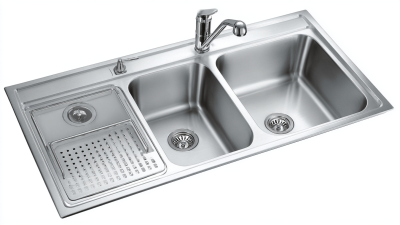
A sink should match the heat and workload of your kitchen, not just its appearance. Stainless steel handles everyday hot water and brief contact with warm cookware well, but the bowl is only one part of the assembly. Insulation pads, coatings, seals, and surrounding countertops may have different heat limits. Check the sink’s care guidance before setting down a pan straight from the oven. A deep, wide basin also makes rinsing roasting trays easier and reduces splashing around the tap.
Material details matter. The Nickel Institute’s technical guidance describes common 304 stainless steel as roughly 18% chromium and 8% nickel, a composition associated with corrosion resistance. The World Stainless Association reported 58.4 million tonnes of global stainless-steel crude production in 2023. That figure shows the material’s broad use, not the performance of any individual sink. For a busy household, compare steel grade, bowl thickness, basin depth, and sound-dampening construction. Lower gauge numbers generally indicate thicker sheet metal. Thicker steel can feel sturdier, though installation and support matter too. I would not promise that any sink is “heat-proof.” A hot pan, a heavy pot, and repeated daily use are different tests. Inspect the underside and installation instructions, especially if the sink has bonded pads or a protective coating.