

Inquiry
Form loading...
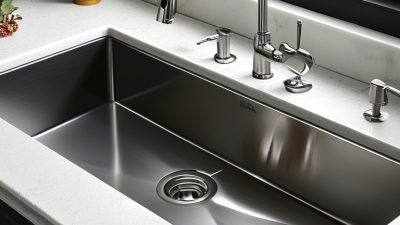
A multifunctional stainless steel sink is more than a basin. It can combine a deep washing bowl, fitted accessories, and a ledge for sliding boards or colanders. These details matter when hands are wet, dishes are stacked, and counter space is limited. But added features only help when they fit the way a kitchen is actually used.
Design researcher Don Norman wrote, “Good design is actually a lot harder to notice than poor design, in part because good designs fit our needs so well that the design is invisible.” His observation offers a useful lens for assessing a Multifunctional Stainless Steel Sink: does its layout make everyday work feel simpler, or do accessories crowd the bowl? A smooth finish, steady drainage, practical depth, and well-made fittings deserve attention alongside appearance. Small details count.
This guide introduces ten manufacturers and the qualities buyers may wish to compare, including product range, construction, accessory compatibility, and available technical information. Brand claims are not all equally specific, so check dimensions, steel specifications, warranty terms, and installation requirements before deciding. A sink can look impressive in a showroom and still feel awkward at home. That possibility deserves a little thought.
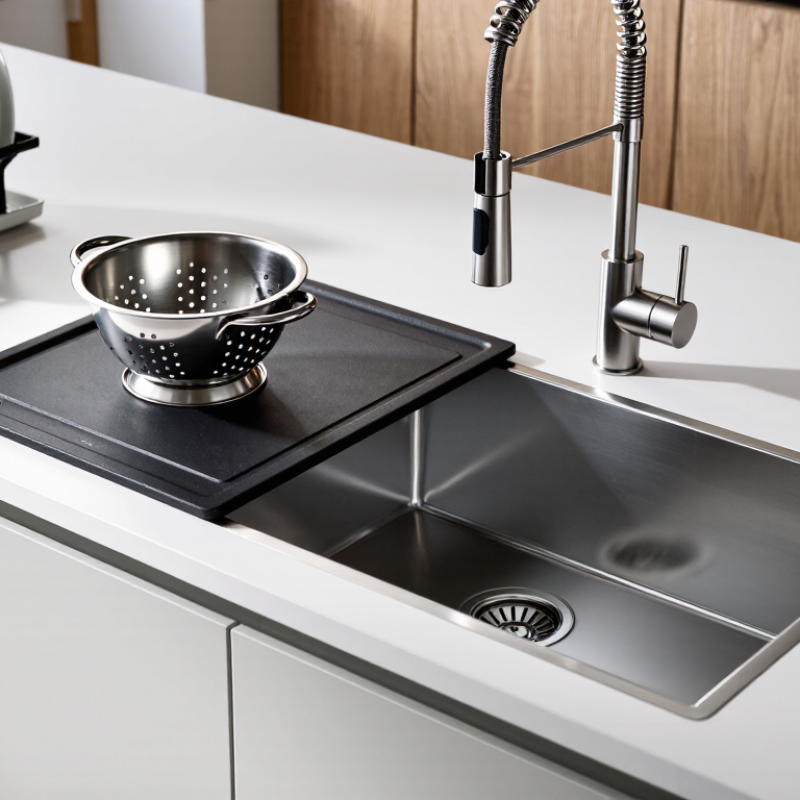
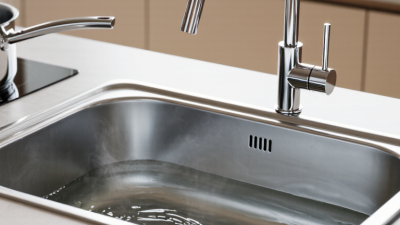
Multifunctional stainless steel sinks combine a washing basin with practical work features. A raised inner ledge can support a cutting board, colander, or drying rack, keeping food preparation close to the water. Some designs include a drainboard or accessories that slide across the basin. Small details matter. They can make rinsing vegetables or draining pasta easier, especially in compact kitchens. Stainless steel is valued for its durable surface and straightforward cleaning, but the finish still needs regular care to limit water spots and scratches.
When comparing sink designs, check the basin dimensions, steel specification, edge construction, and included accessories. A deeper bowl may help contain splashes, though it can feel less comfortable for shorter users. Sound-dampening pads can reduce noise from running water and clattering dishes; installation also affects the result. Check the fit. Measure the cabinet opening and confirm how the drain aligns with existing plumbing before choosing a model. A crowded ledge can restrict usable space, and accessories may need to be removed for larger cookware. That trade-off is real. The most useful configuration depends on daily habits, available counter space, and how often the sink doubles as a food-preparation station.
The following table compares common multifunctional stainless steel sink configurations and features. Product dimensions, accessories, and specifications vary by manufacturer and model.
| No. | Sink Configuration | Common Functional Features | Practical Advantages | Points to Check |
|---|---|---|---|---|
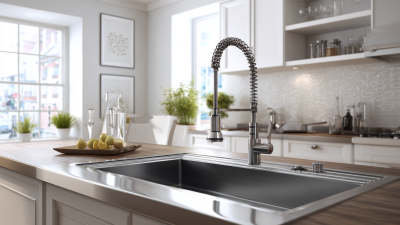
| 1 | Single-bowl workstation sink | A wide basin with a ledge or rail for sliding accessories such as a colander, drying rack, or cutting board. | Creates a flexible preparation and cleanup area over the bowl. | Confirm accessory compatibility, ledge design, and cabinet clearance. |
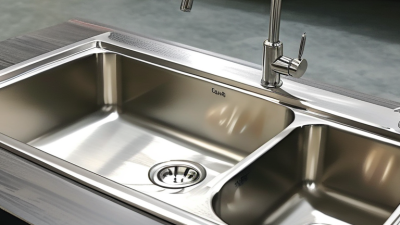
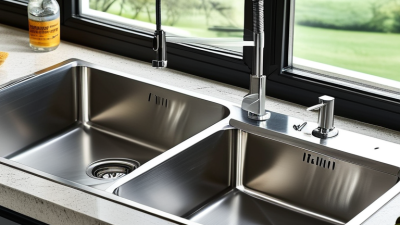
| 2 | Double-bowl sink | Two separate bowls, sometimes equal in size and sometimes configured with one larger bowl. | Allows separate washing and rinsing or the handling of different tasks at the same time. | Check bowl dimensions and divider height against the cookware used at home. |
| 3 | Low-divider double-bowl sink | Two basins separated by a lower central divider than a conventional double-bowl design. | Combines task separation with extra clearance for larger pans or baking trays. | Compare divider height and usable bowl area; low dividers may allow water to pass between bowls. |
| 4 | Sink with integrated drainboard | A sloped ribbed or channelled surface adjoining the bowl to direct water toward the sink. | Provides a dedicated place for air-drying dishes or setting down wet items. | Check drain direction, countertop footprint, and whether the drainboard is reversible. |
| 5 | Sink with removable accessories | May include a fitted colander, rinse grid, drying rack, or bottom-protecting grate. | Accessories can support rinsing, draining, and protecting the bowl during everyday use. | Verify included items, material, dimensions, and replacement availability. |
| 6 | Sink with fitted bottom grid | A removable rack sits above the bowl floor, allowing water to flow underneath. | Helps keep dishes elevated and can reduce direct contact between cookware and the sink surface. | Choose a grid sized for the exact bowl and check that it is easy to lift out and clean. |
| 7 | Sink with accessory ledge and cover | A sliding board or cover rests on a rim or ledge and can span part of the bowl. | Adds temporary work or staging space when the sink is not being used for washing. | A cover is not a permanent countertop; follow load limits and care instructions. |
| 8 | Deep-bowl sink | A single basin with greater depth than a standard shallow bowl; some models add ledges or accessory rails. | Accommodates tall pots and can help contain splashes during washing. | Consider user reach, under-sink plumbing, and the depth of the countertop cutout. |
| 9 | Undermount multifunctional sink | Installed below a compatible countertop; may include a bowl ledge for sliding accessories. | Allows countertop debris to be swept into the bowl without crossing a raised sink rim. | Requires compatible countertop material, accurate cutout, and suitable mounting support. |
| 10 | Top-mount multifunctional sink | Installed through a countertop opening with a visible rim; may be designed for accessories or a drainboard. | The rim supports the sink at the countertop opening and can simplify installation on compatible surfaces. | Check rim dimensions, countertop opening requirements, and how the edge is sealed. |
Material note: Stainless steel sinks are commonly made from chromium-containing stainless steel; chromium contributes to corrosion resistance. Steel thickness is often specified by gauge, but gauge conventions can vary, so compare the stated thickness and construction details rather than relying on the gauge number alone.