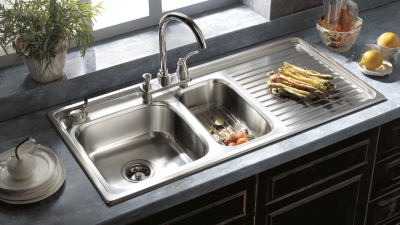
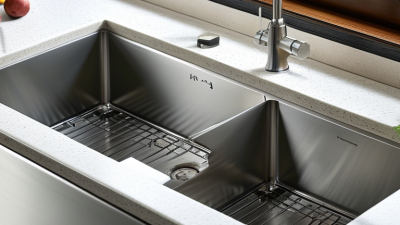
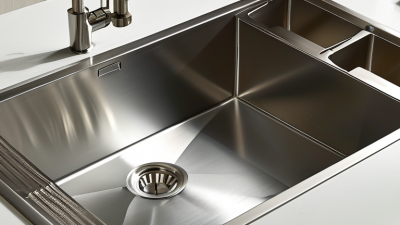
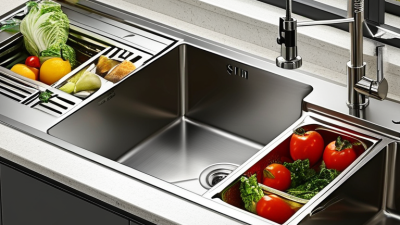
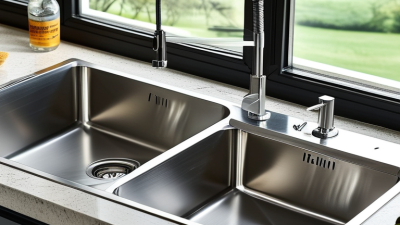
Factory Direct Sale 304 Stainless Steel Sink for Global Buyers?
The "Factory Direct Sale 304 Stainless Steel Sink" industry has seen significant growth in recent years. According to industry expert James Liu, “The demand for durable and affordable sinks continues to rise." This trend reflects the needs of global buyers seeking quality materials at competitive prices.
In addition to affordability, many customers desire quality craftsmanship. A 304 stainless steel sink is known for its resistance to rust and corrosion. These properties ensure longevity, making it a popular choice for both residential and commercial use. Manufacturers who offer factory direct sales often eliminate middlemen, reducing costs for consumers.
Despite positive trends, there are challenges to consider. Not all factory direct sales guarantee top-quality products. Some brands may cut corners to maximize profits. Buyers must conduct thorough research on manufacturers to ensure they choose the right product. The "Factory Direct Sale 304 Stainless Steel Sink" market offers opportunities but requires attention to detail and commitment to quality standards.
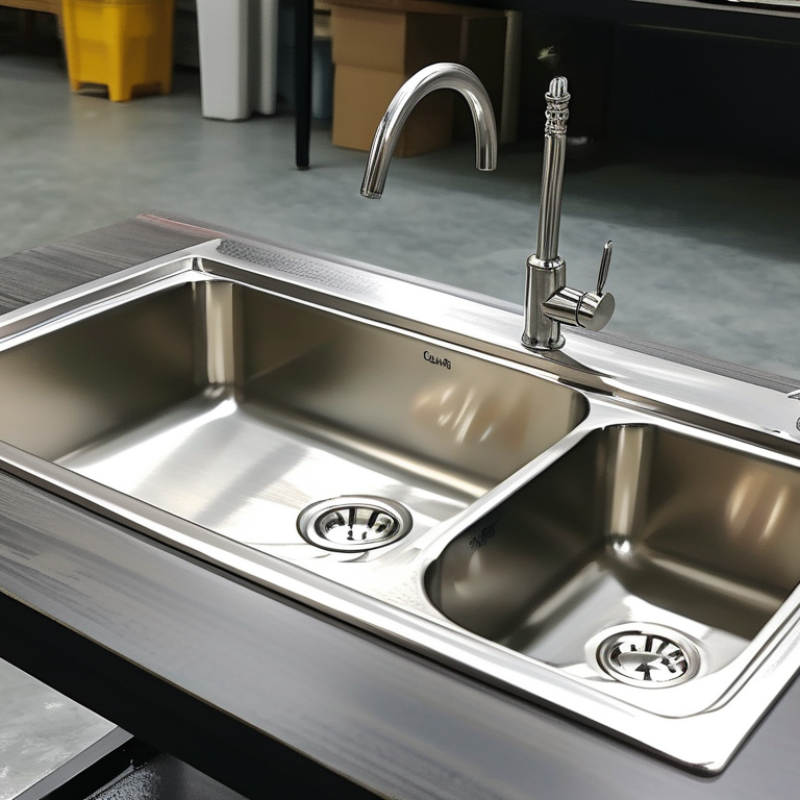
Overview of 304 Stainless Steel Properties and Applications in Sinks
304 stainless steel is a popular choice for sinks due to its unique properties. This alloy contains chromium and nickel, making it resistant to rust and corrosion. Its durability ensures that these sinks last in busy kitchen environments. They are easy to clean, which is an essential feature for any kitchenware.
Sinks made from 304 stainless steel can withstand high temperatures and various chemicals. This makes them suitable for both residential and commercial use. Many users appreciate their sleek appearance and the ability to maintain a shiny finish with minimal effort. However, scratches can occur over time, which may detract from their aesthetic appeal.
It's worth considering the varying grades of 304 stainless steel. Not all are created equal; some may have a lower quality finish. Choosing the right thickness is also essential, as thinner materials may dent easily under pressure. A thoughtful selection can enhance the longevity and functionality of the sink.
Market Trends for Stainless Steel Sinks: Global Demand and Growth Forecast
The global demand for stainless steel sinks has been on the rise. As urbanization continues, more homeowners seek durable and stylish kitchen solutions. Stainless steel sinks are popular for their resilience and aesthetic appeal. They are easy to clean and resistant to corrosion. This material aligns well with modern design trends, making it a top choice for many buyers.
Growth forecasts indicate a steady increase in stainless steel sink sales. Manufacturers are responding by enhancing production processes to meet demand. Innovation in design is also key. Some sinks now feature integrated accessories for convenience. Yet, challenges remain. The market can be saturated, making competition fierce. Many buyers are also conscious of environmental sustainability, which affects purchasing decisions. Balancing design, functionality, and sustainability will be crucial for manufacturers going forward.
Economic Advantages of Factory Direct Sales in the Stainless Steel Industry
Factory direct sales in the stainless steel industry offer significant economic advantages. By eliminating middlemen, buyers can save costs. This direct approach permits a closer relationship between manufacturers and consumers. Prices tend to be more competitive. Customers gain better insights into product specifications, enhancing satisfaction.
Quality control is often stronger with factory-direct sales. Manufacturers can implement stringent standards, ensuring reliable products. However, it’s crucial to verify this commitment. Not all factories maintain the highest quality. Buyers must conduct thorough research to avoid potential pitfalls. Knowledge of the market is essential for effective purchasing.
Additionally, direct sales can lead to customization opportunities. Buyers can request specific features tailored to their needs. This flexibility is not always possible through traditional retail channels. However, not all factories can meet unique requests efficiently. It’s valuable for buyers to weigh the benefits against possible delays.
Economic Advantages of Factory Direct Sales in the Stainless Steel Industry
Key Manufacturing Processes for 304 Stainless Steel Sinks Explained
When considering the manufacturing of 304 stainless steel sinks, several key processes come into play. Forming is crucial. Stainless steel sheets are cut and shaped into the desired bowl and sink configuration. This process requires precision. A minor error in shaping can lead to fitting issues later.
Welding is another fundamental step. It connects different parts securely. Skilled welders ensure that joints are strong and free from leaks. Quality control during welding is essential. Any flaws can compromise the sink’s integrity.
Tips: Always inspect welding seams for quality. Look for consistency in appearance and structure.
Finishing processes enhance the sink’s aesthetics and durability. This includes polishing and coating, which protect against stains and scratches. However, some manufacturers may skip these steps to cut costs. This can lead to porous surfaces that are hard to clean.
Tips: Assess the sink's finish before purchasing. A well-finished sink will be more resistant to wear and tear.
Understanding these manufacturing processes helps buyers make informed decisions. Knowledge is key to finding quality products in the global market. Every detail matters when ensuring durability and performance.
Comparative Analysis: 304 Stainless Steel vs. Other Sink Materials
When choosing a sink, material matters greatly. 304 stainless steel has unique qualities that set it apart. This alloy is durable, resistant to rust, and easy to maintain. Homeowners often prefer it for kitchens and bathrooms because it withstands heavy use. Its smooth surface makes cleaning effortless.
However, not all sinks are made equal. For instance, ceramic sinks are beautiful but can chip easily. They require careful handling and may not suit high-traffic areas. Composite sinks offer a balance between aesthetics and durability, yet they can stain over time.
304 stainless steel provides a reliable option. It's not just about appearance; it's about performance. There are concerns about scratches and dents, but these can be minimized with proper care. So, while 304 stainless steel may not be perfect, it remains a top choice for those seeking longevity and practicality.