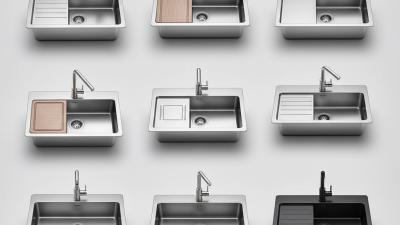
How to Choose a Factory Direct 304 Stainless Steel Sink?
Choosing a Factory Direct Sale 304 Stainless Steel Sink starts with more than comparing prices. A low quote can look attractive beside a polished product photo. Yet the sink’s real value shows in its steel, construction, finish, and service life. W. Edwards Deming, a quality-management expert, said, “Quality is everyone’s responsibility.” That principle matters here: buyers should ask how quality is checked, not just what the product is called.
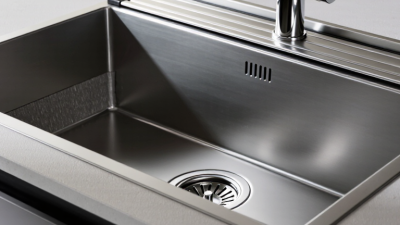
Check whether the seller can document the 304 stainless steel grade. Ask for the bowl’s thickness, measured in millimeters or gauge, and confirm how that figure is reported. Inspect close-up photos of welds, corners, and the underside. A smooth brushed finish should look consistent, not patchy under bright light. Small details count. So do clear answers about sound-dampening pads, drain fittings, packaging, and replacement parts. Factory-direct purchasing may reduce intermediary costs, but it does not automatically guarantee better workmanship. Request a sample or detailed inspection record when possible. Then compare the delivered cost, including shipping and protective packaging.
This guide explains how to assess those details before placing an order. It also considers the questions buyers sometimes forget to ask. I would not judge a sink by one specification alone; that is an easy shortcut, and sometimes a costly one. A careful comparison takes time. Still, a checklist cannot reveal everything. Ask for evidence, check the finish in person if possible, and keep room for a little skepticism.
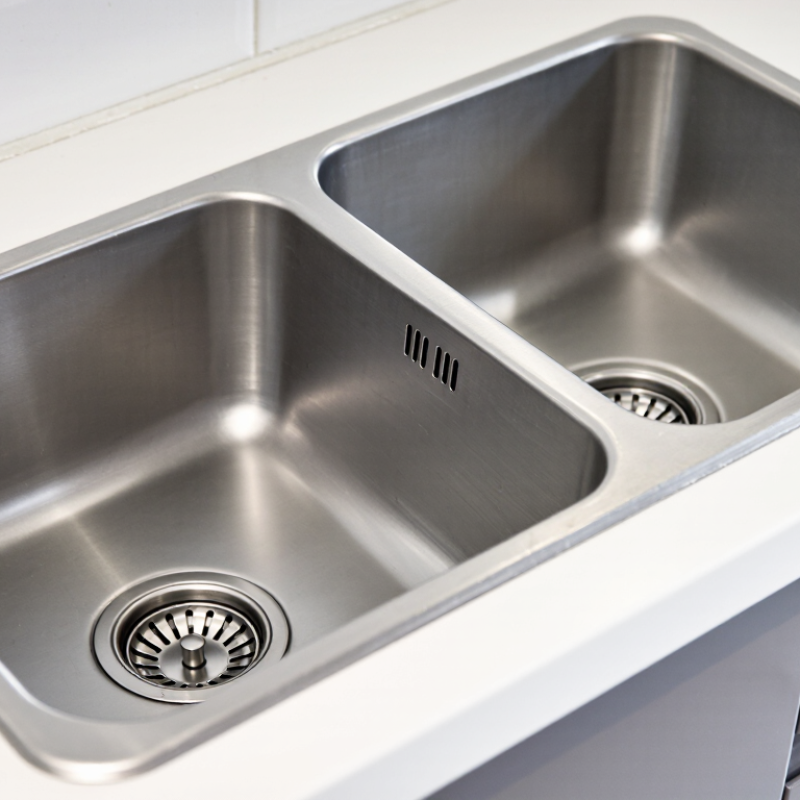
What Does Factory Direct 304 Stainless Steel Sink Mean?
How to Choose a Factory Direct 304 Stainless Steel Sink?
What Does Factory Direct 304 Stainless Steel Sink Mean?
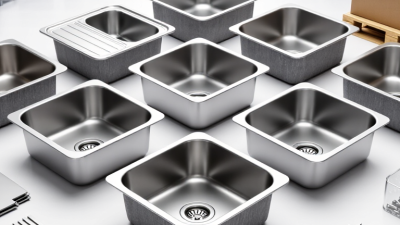
“Factory direct” usually means buying a sink from its manufacturer rather than through several trading companies or retailers. This may offer clearer communication about production details and fewer added sales layers. It does not automatically mean a lower price or better quality. Not always.
The term “304 stainless steel” describes the sink’s material grade, not the entire buying experience. Many 304 steels contain chromium and nickel, which help resist corrosion in everyday kitchen use. Check whether the bowl, drain parts, and accessories use the stated material. A label alone is not proof. Ask for a material report or test documentation that identifies the product being offered. Also confirm the steel thickness, bowl dimensions, finish, and how the corners and welds are made. I would not judge a sink by its grade alone; a thin bowl can feel noisy and flex under a heavy pot.
Tips: Ask who makes the sink and where it is produced. Request a written specification sheet, a close-up photo of the underside, and details about packaging and replacement parts. Compare matching specifications, not just quoted prices. If an answer is vague, pause and ask again.
How to Match Sink Size and Configuration to Your Kitchen
Start with the cabinet, not the sink. Measure its clear internal width and check the sink’s minimum cabinet requirement, cutout dimensions, and installation instructions. Allow room for the faucet, plumbing, and nearby appliances. A wide basin can look ideal on paper but leave little counter space for a kettle or chopping board. Measure twice.
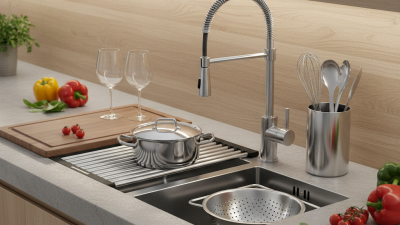
Choose the bowl layout around what you wash most often. A single deep bowl can fit roasting trays and large pots, while a divided sink lets you rinse vegetables beside soaking dishes. The divider also reduces usable space in each bowl. For example, a 30-inch sink may need a wider cabinet than its stated width suggests, so confirm the required base size before ordering. Small kitchens differ.
Think about depth and daily reach, too. A deep basin helps contain splashes, but may feel uncomfortable if you often wash dishes by hand. Consider the height of the users and the faucet’s reach. With a factory-direct 304 stainless steel sink, compare the bowl dimensions and mounting style—not just the outer measurements. It is easy to overvalue a larger basin; the extra capacity may not be worth losing a useful landing area beside it.
Planning guide: This chart uses a common rule of thumb: allow about 3 inches between the sink’s outside width and the base cabinet width. Actual fit depends on the sink design, mounting method, and cabinet construction, so check the manufacturer’s minimum cabinet-size specification before choosing a 304 stainless steel sink.
How to Verify 304 Steel Grade and Manufacturing Quality
A factory-direct 304 sink should come with evidence that connects the steel to the finished product. Request a material test report and check that its heat number matches the supplier’s production records. A certificate without traceable numbers is less useful. Look for chromium and nickel results consistent with 304 specifications, rather than relying on the grade name printed on a quotation.
For added confidence, ask whether an independent lab can verify a sample. Handheld X-ray fluorescence testing can screen for key alloying elements, but it does not reliably measure carbon. A laboratory analysis may be needed for a fuller assessment. A magnet is not a dependable grade test: forming can make parts of a stainless sink slightly magnetic. That surprises buyers. It is not proof of a wrong grade.
Manufacturing quality deserves a close look, too. Inspect the underside for even welds, clean corners, and consistent finishing. Compare sink thickness at several points, since one measurement may not represent the whole bowl. Check the drain opening for smooth edges and proper alignment, then run water and inspect for leaks. Ask how the factory controls forming, polishing, and final inspection. These checks cannot guarantee every sink is flawless, and paperwork can be incomplete. I would record gaps and request clarification before placing a large order.
Which Design and Installation Details Should You Compare?
When comparing a factory-direct 304 stainless steel sink, look beyond the bowl shape. Check the steel thickness and ask how it is measured; gauge numbers can be confusing because conventions vary. A material certificate is more useful than a magnet test, which cannot confirm the grade by itself. Small details matter. Compare bowl depth, corner radius, and the position of the drain. A deep bowl can fit large pans, but it may leave less room beneath the cabinet for plumbing or a waste disposer. I still find that clearance easy to overlook.
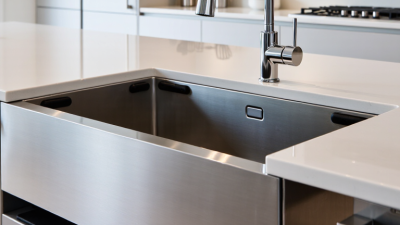
Installation style changes both the look and the work involved. An undermount sink needs a suitable countertop, accurate cutout dimensions, and reliable support. A top-mount rim can cover a rougher cut, but it leaves an edge that needs regular cleaning. Measure twice. Confirm the supplied template matches the actual sink, and check cabinet width, faucet holes, drain fittings, and overflow details before ordering. Ask whether sound-dampening pads and underside coating are included, and where they are placed. They can reduce noise and condensation, but they do not replace proper installation. A polished finish shows water spots more readily; a brushed finish can hide small marks, though scratches may still catch the light. Specifications help, but a clear drawing and careful inspection matter just as much.
How to Evaluate Factory Pricing, Warranty, and Delivery
Compare factory-direct quotes line by line, not just by the sink’s listed price. Ask whether the price includes the 304 stainless steel grade, bowl thickness, finish, drain parts, and export packaging. A quote that omits these details may look cheaper but leave room for costly changes. Request a written specification and, if possible, a sample or clear photos of the brushed finish and underside. Ask for the details.
Warranty terms deserve the same attention. Check the coverage period, what counts as a manufacturing defect, and whether scratches, stains, or installation damage are excluded. Ask how claims are handled and what evidence is required. A warranty has limited value if the process is vague. That matters. Keep the approved specifications and warranty terms with your order records.
Confirm the production lead time separately from shipping time. Ask when the schedule begins, what could delay dispatch, and how the sink will be protected inside its carton. Request a packing list and shipment updates, then clarify who arranges transport and handles any applicable import charges. It is easy to focus on the unit price and overlook delivery risk. I would compare the full landed cost and planned arrival date before placing an order, even when one supplier seems more convenient.