Why Choose a Kitchen Pure Water Purifier?
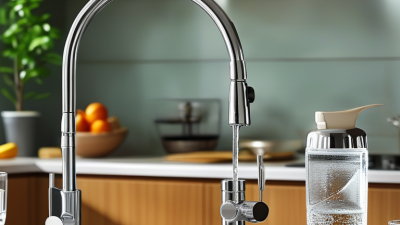
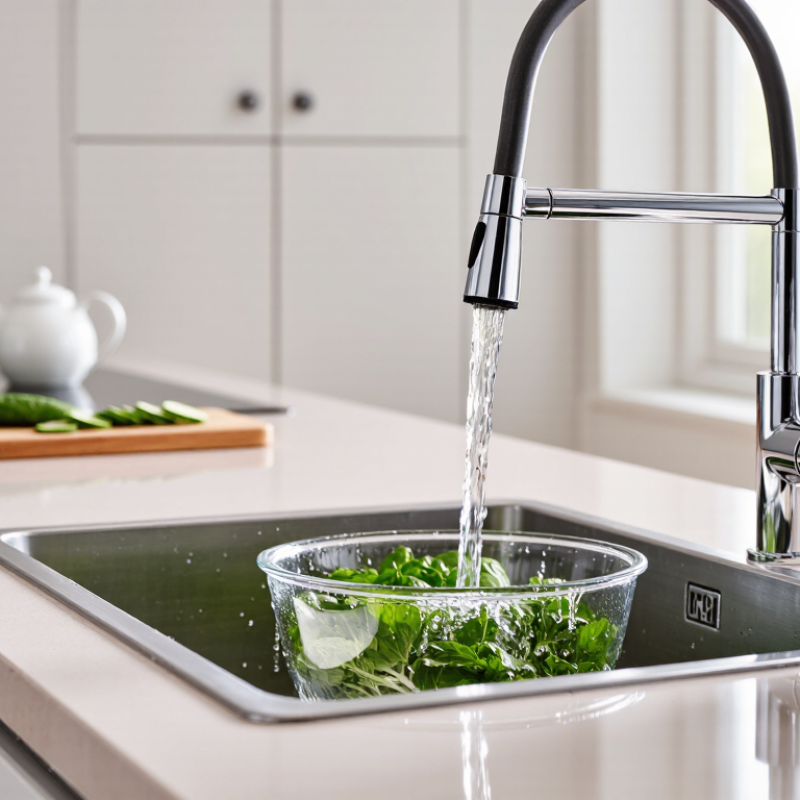
Choosing a Kitchen Pure Water Purifier can change how water feels in everyday cooking. A glass may taste cleaner, while tea leaves less mineral film inside the kettle. Rinsed vegetables also gain a fresher, more pleasant finish.
The best choice depends on your water supply, kitchen space, and daily habits. Activated carbon can reduce chlorine and unpleasant odors. Reverse osmosis may lower many dissolved substances, but it can produce wastewater and remove useful minerals. Some systems need electricity, while others work directly from water pressure. Check the product’s certified performance, filter life, flow rate, and installation requirements. Do not rely on impressive promises alone.
Real experience matters after installation. A purifier with slow output may frustrate a busy family. A compact model may fit beneath the sink, yet replacing cartridges can be awkward. Keep a simple replacement record. Inspect connections for leaks, especially during the first week. Your local water report can guide a more sensible decision than online reviews alone.
No purifier solves every water concern. That is worth remembering. Filters can lose performance when neglected. Poor maintenance may also affect taste and hygiene. For dependable results, follow the manufacturer’s schedule and use tested replacement filters. When uncertainty remains, consult a qualified water professional. A Kitchen Pure Water Purifier should support safer, better-tasting water without creating unrealistic expectations.
What Is a Kitchen Pure Water Purifier? Types and Treatment Stages
Why Choose a Kitchen Pure Water Purifier?
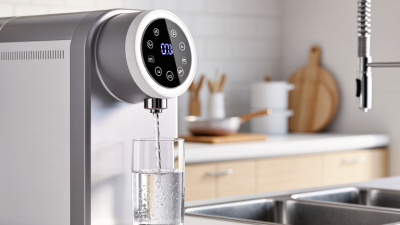
A kitchen pure water purifier treats tap water at the point of use. It can improve taste, odor, and selected contaminants. The right system depends on your water source and household needs. Common types include activated carbon filters, ultrafiltration units, and reverse osmosis systems. Carbon reduces chlorine and unpleasant tastes. Ultrafiltration blocks many particles and microorganisms. Reverse osmosis uses a fine membrane to reduce dissolved salts, metals, and other contaminants. No filter removes everything.
Treatment usually happens in stages. A sediment filter catches sand, rust, and visible particles. A carbon stage reduces chlorine and organic compounds. The main membrane provides deeper purification. Some systems add ultraviolet treatment for microbial control. Others include a mineral cartridge to adjust taste. In practice, each stage needs proper replacement timing. A neglected filter can reduce performance and affect water quality. I have seen people focus on specifications while ignoring maintenance access. That is an easy mistake.
Tips: Check your local water report before choosing a system. Independent testing is more reliable than impressive advertising claims. Measure the space beneath your sink first. Ask about replacement costs, wastewater, flow rate, and filter life. Keep a simple replacement record. If the water tastes unusual after installation, stop and investigate. A certified technician can test the supply and confirm correct installation.
Why Tap Water Quality Matters: EPA Standards Cover 90+ Contaminants
Why Choose a Kitchen Pure Water Purifier?
Tap water is regulated, but regulation does not mean every glass tastes or feels identical. The U.S. Environmental Protection Agency’s National Primary Drinking Water Regulations cover more than 90 contaminants. These include microorganisms, metals, chemicals, and radioactive substances. In 2024, the EPA also finalized limits for six PFAS compounds in public drinking water. Public systems generally have until 2029 to meet those requirements.
The water reaching your building may still travel through aging service lines or household plumbing. The EPA’s 2023 Drinking Water Infrastructure Needs Survey estimated $625 billion would be needed over 20 years for drinking water infrastructure. That figure explains why local compliance cannot guarantee perfect point-of-use quality. A kitchen purifier can add another treatment step before drinking or cooking. It may reduce selected contaminants, unpleasant tastes, and odors, depending on its verified performance.
Read the certification carefully. Standards such as NSF/ANSI 42 address aesthetic issues, while NSF/ANSI 53 covers specific health-related contaminants. No purifier removes everything. That assumption is risky. Filter replacement also matters, because an exhausted cartridge may perform poorly. I once treated clear water as automatically safe; that was an incomplete judgment. A purifier is useful, but only when its claims match your local water report and your household’s actual needs. Check both.
Why Choose a Kitchen Pure Water Purifier?
Tap water is regulated for more than 90 contaminants under U.S. EPA drinking water standards. The chart below compares selected federal maximum contaminant levels or action levels.
Values are shown in micrograms per liter (µg/L). Nitrate and fluoride limits are converted from 10 mg/L and 4 mg/L, respectively. The lead value is an EPA action level rather than a traditional maximum contaminant level. Lower limits indicate stricter control levels, while actual tap water quality depends on the local water source and distribution system.
Source: U.S. Environmental Protection Agency, National Primary Drinking Water Regulations.
How Reverse Osmosis Works Under NSF/ANSI 58 Performance Standards
Why Choose a Kitchen Pure Water Purifier?
How Reverse Osmosis Works Under NSF/ANSI 58 Performance Standards
A kitchen reverse osmosis purifier uses pressure to move water through a semi-permeable membrane. The membrane allows water molecules to pass while reducing dissolved salts, metals, and other selected contaminants. Pre-filters remove sediment and chlorine before water reaches the membrane. This protects performance.
NSF/ANSI 58 evaluates residential reverse osmosis systems for safety, structural integrity, performance, and contaminant reduction claims. Testing may include total dissolved solids reduction, recovery, efficiency, and specific substances. A certified system must meet defined requirements under controlled conditions. However, certification does not mean it removes every contaminant.
The reject stream carries concentrated impurities toward the drain. Water pressure, temperature, and membrane condition affect results. A system can perform differently in a real kitchen than in a laboratory. That detail is easy to overlook. Filter replacement matters, too. Delayed maintenance may reduce flow and treatment performance.
Look for clear performance data, installation requirements, and replacement schedules. Check whether the tested claims match your water concerns. A household using well water may need different pre-treatment than a city-water household. Water testing gives better direction than guesswork. Even then, no purifier is magic. Small installation errors can matter.
How to Compare Purifiers: NSF/ANSI 42, 53, and 58 Certifications
Why Choose a Kitchen Pure Water Purifier?
A kitchen purifier can target the water you actually drink and cook with. The right certification matters more than a polished label. NSF/ANSI 42 covers aesthetic issues, such as chlorine taste, odor, and visible particles. It improves the glass, not every health risk. The U.S. Environmental Protection Agency’s 2023 Consumer Confidence Report guidance also reminds households to review local water-quality results before choosing treatment.
NSF/ANSI 53 addresses specific health-related contaminants, including lead, cysts, and some volatile chemicals. Check the exact reduction claim. Certification does not mean one unit removes everything. EPA’s 2024 PFAS regulation set limits of 4 nanograms per liter for PFOA and PFOS, showing how small concentrations can matter. A purifier certified only under Standard 42 may not address those substances.
NSF/ANSI 58 applies to reverse osmosis systems. It evaluates performance claims for dissolved contaminants, but it may produce wastewater and reduce flow. The World Health Organization’s Guidelines for Drinking-water Quality stress that treatment choices should match local risks and regular testing. That advice is easy to overlook. Read the performance data sheet, measure countertop space, and calculate filter replacement costs. A lower purchase price can become expensive when cartridges are neglected or water pressure is weak.
Maintenance Planning: EPA Guidance on Filters, Membranes, and Water Waste
Why Choose a Kitchen Pure Water Purifier?
A kitchen pure water purifier can improve taste and reduce selected contaminants, but maintenance determines its real value. EPA guidance encourages homeowners to understand the treatment method, check performance claims, and follow the maintenance instructions carefully. A filter left unchanged may collect sediment, lose flow, or become a poor barrier. Mark the installation date on the housing. Keep the record nearby.
Filters and membranes need different attention. Sediment and carbon filters often require scheduled replacement, while a reverse osmosis membrane may last longer under suitable water conditions. Hard water, chlorine, pressure, and heavy usage can shorten its service life. Do not rely only on clear-looking water. Test results, flow changes, unusual taste, and rising dissolved solids can reveal trouble. EPA does not set one universal replacement interval for every household system, so the manual and local water information matter.
Water waste also deserves planning. Some membrane systems send concentrated water to the drain during production. Check the system’s recovery rate and inspect the drain connection for leaks. Reusing this water for cleaning or plants may be possible, but avoid it where salt or treatment chemicals could harm them. I once treated a replacement schedule as optional; the declining flow was easy to miss. That mistake made maintenance more expensive. Keep spare cartridges sealed, wash hands before handling parts, and dispose of used components according to local waste guidance.