Why Buy Stainless Steel Sinks for Kitchen Bathroom Office?
A sink is more than a basin. It is a daily work surface that meets water, soap, food residue, cleaning tools, and constant contact. The Kitchen Bathroom Office Area Stainless Steel Sink fits these demanding environments because stainless steel offers corrosion resistance, structural strength, and a clean commercial appearance. The World Stainless Association reported approximately 58.4 million metric tonnes of stainless steel production in 2023, showing the material’s continuing industrial importance. That scale supports stable supply, established fabrication methods, and broad professional experience.
Industry evidence also supports practical durability. The NKBA 2024 Design Trends Report highlights easy-care materials and efficient utility spaces as continuing priorities in residential design. Meanwhile, the U.S. Environmental Protection Agency’s WaterSense program emphasizes efficient fixture performance and responsible water use, although a sink alone does not guarantee lower consumption. The faucet and user habits still matter. A lot.
In kitchens, a deep stainless bowl can handle heavy cookware and quick rinsing. In bathrooms, its nonporous surface helps simplify routine cleaning. In offices, it suits break rooms, utility corners, and shared washing areas where appearance and hygiene both influence user confidence. Stainless steel also accepts undermount, top-mount, and workstation designs, allowing different installation strategies. However, it is not maintenance-free. Hard-water marks, scratches, and noise can appear without suitable thickness, insulation, or care. Choosing an appropriate grade, such as 304 stainless steel, and checking weld quality, drainage design, and certification details remains essential. The best purchase is not always the cheapest one. It is the sink that performs reliably after hundreds of ordinary, unremarkable uses.
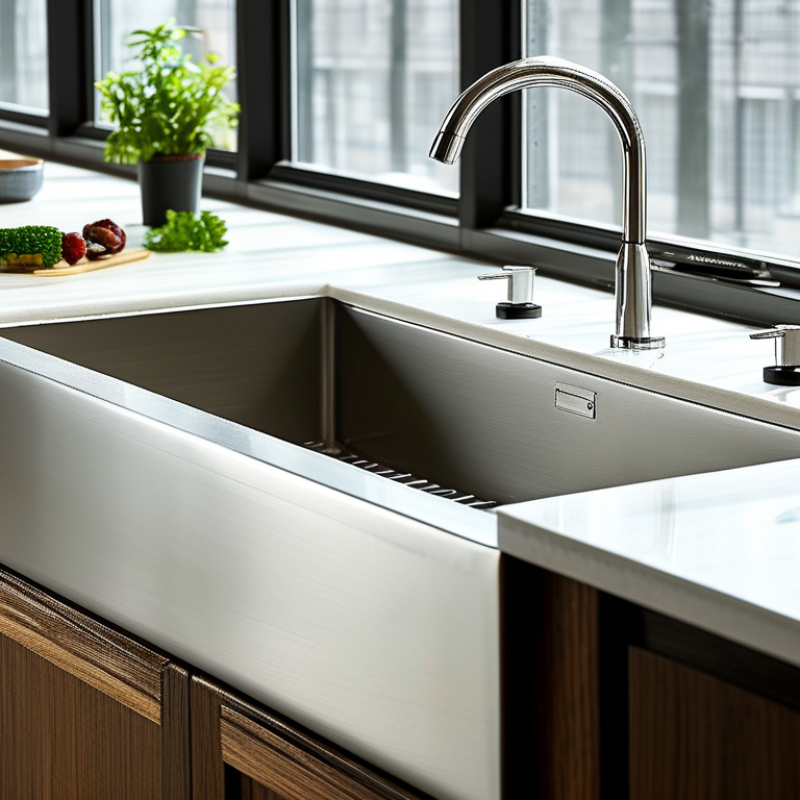
Stainless steel sinks are deep, shaped basins made from corrosion-resistant steel. They suit kitchens, bathrooms, and office utility areas because they tolerate water, daily impact, and frequent cleaning. The surface is usually smooth, nonporous, and easy to inspect. It can still show scratches.
The material begins with iron, chromium, and other alloying elements. Chromium forms a thin protective layer when exposed to air. Common kitchen grades include 304 stainless steel, while 316 may offer stronger resistance in demanding environments. Nickel can improve toughness and surface appearance. Material choice should match the sink’s location, water quality, and cleaning routine.
Manufacturing starts with cutting a flat steel sheet. A press then draws it into a bowl shape. Deeper sinks may require several forming stages to prevent cracking. Workers trim the rim, create drain openings, and attach mounting parts. Some models use welded corners; others are formed from one sheet. The surface may receive brushing, polishing, or a satin finish. After cleaning and passivation, inspectors check thickness, welds, drainage, and visible defects. Small uneven marks can remain. That detail is easy to overlook. In practical use, a sturdy sink depends on more than appearance: steel thickness, reinforced edges, accurate drainage, and careful installation all matter.
Why Buy Stainless Steel Sinks for Kitchen Bathroom Office?
Stainless steel sinks remain durable because their material resists rust, impact, heat, and daily moisture. Chromium forms a passive protective layer when exposed to air. This layer helps the surface repair itself after minor damage. Nickel can improve corrosion resistance and give the sink a smoother, brighter finish. Common kitchen grades, such as 304 stainless steel, balance strength and hygiene well. Coastal or highly chlorinated environments may require a more corrosion-resistant grade.
The material is also nonporous. Water, soap, and food residue cannot easily soak inside. That makes cleaning more reliable in kitchens, bathrooms, and office break rooms. A strong sink should have a suitable steel thickness and reinforced edges. Thin steel may flex and create a louder sound. I have noticed that poorly supported basins can still dent, even when the steel itself is good. No sink is indestructible. Scratches also appear over time, especially with abrasive pads.
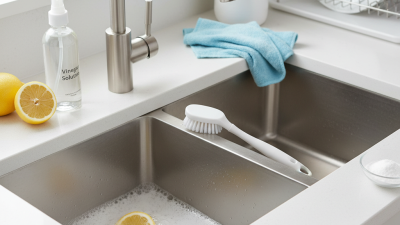
Tips: Rinse salt, coffee grounds, and acidic cleaners quickly. Use a soft cloth and mild detergent. Dry the basin after use to reduce water marks. Avoid leaving wet steel tools inside overnight. A bottom grid can protect the surface from heavy pans and improve drainage. Small habits matter.
Stainless steel sinks suit kitchens, bathrooms, and offices because they handle frequent use without demanding complicated care. In a kitchen, the smooth basin tolerates hot pans, food residue, and repeated washing. A deep bowl also reduces splashing when rinsing vegetables or filling containers. Stainless steel is nonporous, so ordinary cleaning can remove many surface contaminants. However, it is not scratch-proof. A rough scrubber may leave visible lines.
Bathrooms benefit from the same practical surface. Water, soap, and toothpaste can be wiped away quickly. In a busy office, a stainless steel sink supports shared kitchens, utility rooms, and cleaning areas. Its neutral appearance fits modern and traditional interiors. I have found that brushed surfaces hide minor marks better than highly polished ones. Still, poor installation can cause standing water around the drain, which encourages stains.
Tips: Choose a suitable basin depth for the room. Check the steel grade, thickness, drainage design, and sound insulation before buying. Dry the surface after heavy use, especially in areas with hard water. Use a soft cloth and mild detergent. Avoid chlorine-based cleaners and steel wool. Small care habits matter. Also, measure cabinet space carefully; an attractive sink becomes frustrating when doors cannot open fully.
Stainless steel is widely used for sinks because its chromium content helps create a passive, corrosion-resistant surface, while its non-porous finish is easy to clean and maintain. The chart shows representative chemical composition ranges for 304 stainless steel, a common sink-grade material.
Resists frequent contact with water, food residues, heat, and everyday impacts.
The smooth, non-porous surface helps reduce moisture retention and simplifies routine cleaning.
It provides a durable, hygienic option for staff kitchens, utility areas, and shared wash spaces.
Data reference: representative 304 stainless steel composition ranges based on commonly specified limits in ASTM A240 and EN 10088. Actual composition may vary by product specification; iron is the balance of the alloy and is not shown as a fixed percentage.
Stainless steel sinks suit kitchens, bathrooms, and offices because they handle daily moisture and frequent cleaning. Size should match the cabinet, counter depth, and expected workload. A compact 20-by-16-inch basin can serve a bathroom or office pantry. A 30- to 36-inch sink gives families more washing space. Measure the cabinet opening carefully. This step is often missed.
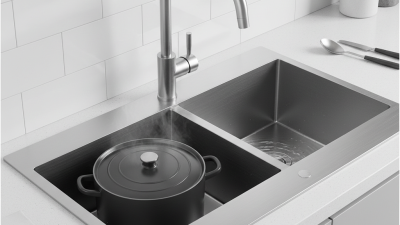
Single-bowl sinks hold large pans without a center divider. Double-bowl models separate soaking from rinsing. Low-divide designs offer both functions with fewer restrictions. Top-mount installation is practical for many renovations. Undermount sinks create a cleaner counter edge but require accurate support. Apron-front styles add visual weight and need compatible cabinetry. For small spaces, bar or prep sinks can provide useful secondary washing space. Drainboard configurations help protect the counter near the basin.
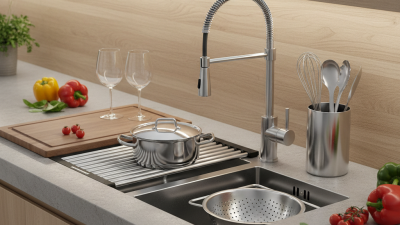
Finish also affects everyday use. Brushed surfaces usually hide light water marks better than mirror finishes. Deeper bowls reduce splashing, though they may feel uncomfortable for shorter users. Sound-absorbing pads can make running water less harsh. Check the drain position before choosing a double bowl or workstation layout. Accessories such as grids, colanders, and cutting boards improve flexibility, but they need regular cleaning. In my experience, a larger sink is not always better. It can reduce counter space and complicate cabinet storage. A careful fit matters more than an impressive specification.
Choosing a stainless steel sink starts with its working environment, not its appearance. A busy kitchen needs a deep bowl, generous drainage, and a surface that tolerates repeated cleaning. For bathrooms and offices, compact dimensions and easy wiping may matter more. World Stainless reported 58.4 million tonnes of crude stainless steel production in 2023, showing its broad industrial use. Still, volume does not guarantee quality. Check the stated grade, thickness, weld quality, mounting method, and sound insulation. A documented 304-grade sink usually suits normal indoor use. Coastal or high-chloride environments may require more careful material selection.
Maintenance is simple, but careless habits cause avoidable damage. Rinse food residue promptly, wipe the basin dry, and clean with mild detergent and a soft nylon pad. Follow the grain direction. Never leave wet steel wool, salty water, or chlorine cleaner on the surface. ASTM A240 and related material standards can help buyers verify specifications, although paperwork cannot replace a physical inspection. Look beneath the rim for uneven sealing, and test the drain for slow leaks. The U.S. Environmental Protection Agency reports that household leaks can waste nearly one trillion gallons of water yearly; even one dripping faucet may waste over 3,000 gallons annually. A clean sink can still hide a poor installation. I would recheck the underside every few months, especially after heavy use. Small rust spots are sometimes superficial, but ignoring them is a poor experiment.
| Selection or Maintenance Dimension | Recommended Information | Kitchen Application | Bathroom Application | Office or Utility Application | Practical Reason |
|---|---|---|---|---|---|
| Material grade | 304 stainless steel is a common general-purpose choice. 316 stainless steel offers greater resistance to chlorides and is useful in coastal or salt-exposed environments. 430 stainless steel is magnetic and commonly used where corrosion exposure is lower. | Choose 304 for most indoor food-preparation areas; consider 316 where salt exposure is significant. | 304 is generally suitable for normal indoor bathrooms. | 304 is suitable for general utility use; 316 may be appropriate for humid or chemically exposed locations. | The grade affects corrosion resistance, durability, and suitability for the surrounding environment. |
| Steel thickness | Compare the actual steel thickness rather than relying only on gauge labels, because gauge systems can vary. A thicker bowl usually provides better resistance to denting and less vibration. | Select a sturdier bowl for heavy cookware, frequent use, and waste-disposal installations. | Moderate thickness is often adequate for handwashing and light cleaning tasks. | Choose thickness according to expected use, impact risk, and installation support. | Thickness influences structural strength, noise, weight, and installation requirements. |
| Surface finish | Brushed or satin finishes reduce the visibility of minor scratches. Mirror finishes are more reflective but can show water spots and marks more easily. | A satin or brushed finish is practical for frequent washing and food preparation. | Choose a finish that matches the room style and expected cleaning frequency. | A low-maintenance brushed surface is useful in shared facilities. | The finish affects appearance, scratch visibility, and cleaning effort. |
| Bowl depth and configuration | Check bowl depth, number of bowls, drain position, corner radius, and available cabinet space before purchase. | A deeper single bowl can accommodate large pans; double bowls support separation of washing and rinsing. | A compact, easy-access bowl is usually sufficient for handwashing and cleaning. | Select capacity based on cleaning tools, maintenance tasks, and available counter space. | Correct dimensions help prevent installation problems and improve daily usability. |
| Installation type | Common options include top-mount, undermount, flush-mount, and integrated installations. Confirm countertop compatibility and support requirements. | Undermount designs make it easier to sweep water and food residue into the bowl. | Top-mount designs can simplify replacement when changing an existing sink. | Prioritize secure mounting, easy servicing, and compatibility with shared work surfaces. | The installation method affects hygiene, appearance, support, and replacement cost. |
| Noise and vibration control | Look for sound-absorbing pads, undercoating, or other vibration-control features. Proper cabinet support also reduces movement and noise. | Useful when washing dishes or handling metal cookware frequently. | Helpful where the sink is near bedrooms, meeting rooms, or quiet areas. | Important in shared offices, healthcare areas, and public facilities. | Steel can transmit sound, so damping and stable installation improve comfort. |
| Daily cleaning | Rinse away residue, wash with mild dish soap and a soft cloth or sponge, then dry the surface. | Clean after food preparation and remove acidic or salty residues promptly. | Remove soap, toothpaste, and mineral residue to help prevent spotting. | Use a routine suitable for frequent users and shared hygiene standards. | Regular rinsing and drying help reduce stains, deposits, and surface dullness. |
| Cleaning direction | On brushed stainless steel, wipe in the direction of the existing grain. | Follow the grain when removing food marks or water spots. | Use gentle, straight wiping motions rather than circular scrubbing. | Simple grain-following cleaning is easy to include in facility routines. | This approach helps preserve the visual consistency of brushed surfaces. |
| Products and tools to avoid | Avoid steel wool, abrasive powders, harsh chlorine-based cleaners, and cleaners containing hydrochloric acid unless the manufacturer specifically permits them. | Do not leave bleach, salt, or acidic food residue on the surface for extended periods. | Avoid abrasive pads that can permanently scratch the finish. | Use approved products to reduce damage caused by repeated maintenance cleaning. | Certain chemicals and abrasive tools can stain, scratch, or corrode stainless steel. |
| Rust and tea staining prevention | Keep the surface dry, remove iron particles, and avoid prolonged contact with salty or acidic substances. | Do not leave cast-iron cookware, wet steel wool, or salty food waste in the bowl. | Wipe away standing water and metal residue from toiletries or cleaning tools. | Inspect high-use areas regularly and remove stains with a non-abrasive stainless-steel cleaner. | Stainless steel resists corrosion but is not completely immune to contamination or chemical attack. |
| Key buying checklist | Verify grade, dimensions, thickness, finish, drain compatibility, overflow requirements, sound control, mounting method, and warranty terms. | Match the sink to cooking habits, cookware size, faucet location, and cabinet structure. | Prioritize hygiene, ease of cleaning, accessible dimensions, and resistance to moisture. | Consider user volume, accessibility, maintenance procedures, and local plumbing requirements. | A complete specification review reduces installation errors and improves long-term value. |
Note: Stainless-steel performance depends on the alloy, fabrication quality, installation conditions, cleaning products, and exposure to salts or chemicals. Always follow the sink manufacturer's care instructions.