High Temperature Resistant Stainless Steel Sink Buying Guide?
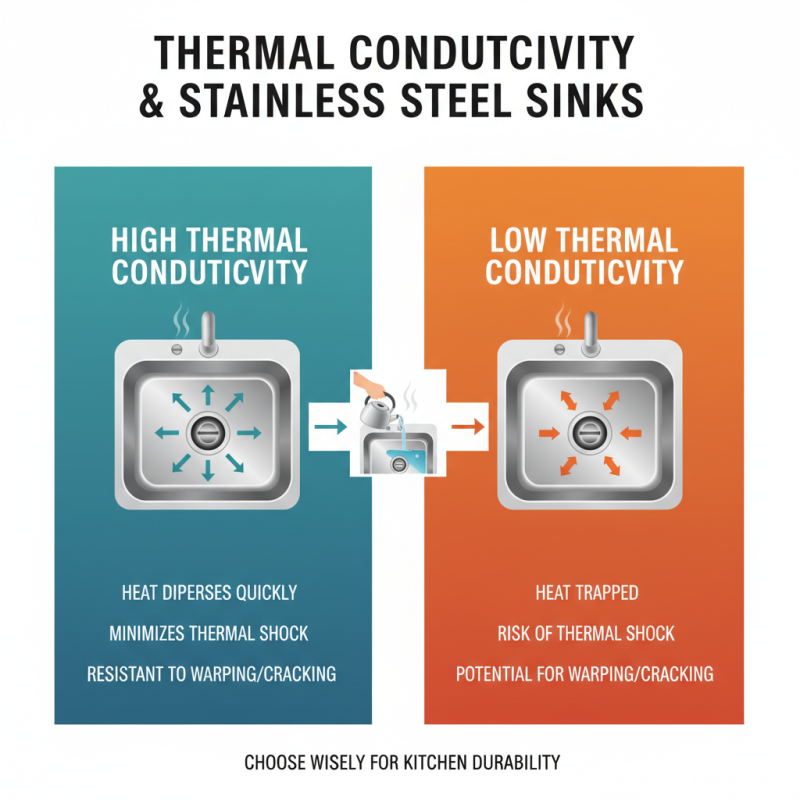
Selecting a **High Temperature Resistant Stainless Steel Sink** requires careful consideration of various factors. Industry reports indicate that high-temperature sinks are essential in both residential and commercial kitchens. These sinks withstand heat, prevent warping, and maintain structural integrity under extreme conditions. According to the National Kitchen and Bath Association, durable materials improve kitchen functionality and longevity.
Choosing the right sink involves understanding its thermal characteristics. A high temperature resistant stainless steel sink can endure temperatures above 500°F, making it suitable for various cooking tasks. However, not all stainless steel options offer this level of resistance. Consumers often overlook the importance of the grade of stainless steel. For instance, 304-grade stainless steel is preferable for its corrosion resistance and durability, yet many settle for lower grades.
Investing in a high-quality sink can be challenging, particularly for those unfamiliar with kitchen materials. It's crucial to assess product certifications and manufacturer reputations. Some sinks may claim high resistance but fail to deliver in functionality and design. Researching product reviews can illuminate potential flaws and help buyers make informed decisions. Consider your kitchen needs carefully, as a poor choice may lead to dissatisfaction over time.
High-Temperature Resistance: What Makes Stainless Steel Suitable for Sinks?
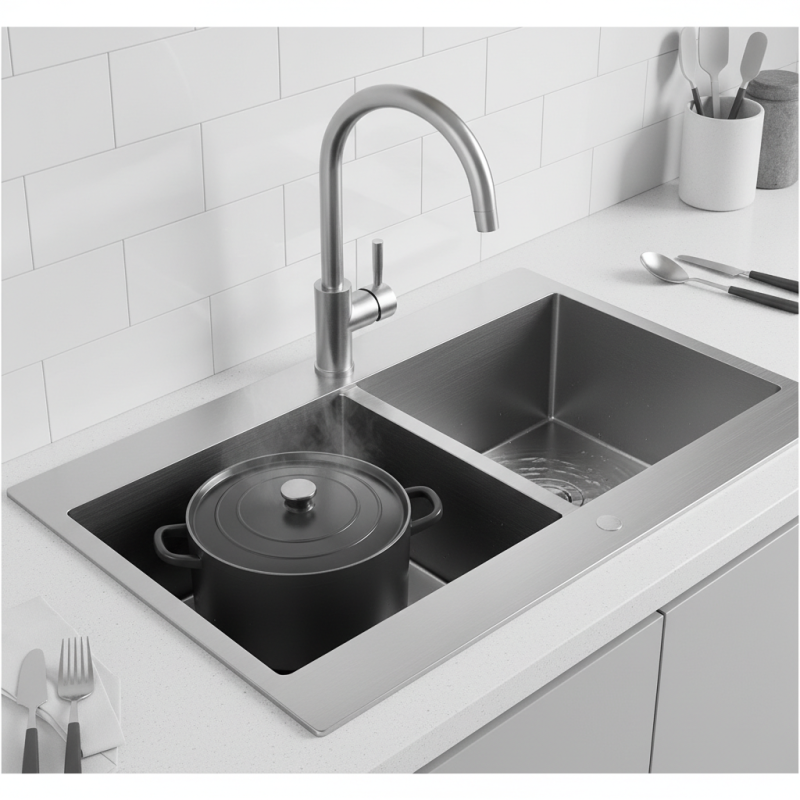
When selecting a high-temperature resistant stainless steel sink, it’s essential to understand why stainless steel excels in this regard. Stainless steel offers a robust structure capable of withstanding extreme heat. This metal has a melting point of around 2,500°F, making it an ideal choice for kitchens. Hot pots and pans can be placed directly in the sink without concern for damage.
The alloy's composition contributes significantly to its heat resistance. The presence of chromium in stainless steel forms a protective layer, guarding against oxidation and corrosion. This durability ensures that the sink retains its integrity over time, even under intense conditions. While it’s known for its heat-resistant properties, the finish may show wear with prolonged exposure to high temperatures.
However, it’s worth noting that not all stainless steel grades perform equally. Lower quality versions may warp or dent when subjected to extreme heat. Evaluating the specific grade used in a sink is critical in ensuring its performance. A balance between heat resistance and aesthetic appeal is crucial when making a decision. Choosing the right sink requires careful attention to both function and durability.
Key Stainless Steel Alloys for High-Temperature Resistance in Kitchen Sinks
When selecting a high-temperature resistant stainless steel sink, the choice of alloy is essential. Some stainless steel alloys resist heat better than others, making them ideal for kitchen environments. Alloys like 304 and 316 are commonly noted for their durability. These materials can handle the rigors of cooking without warping or cracking. However, not all stainless steels perform equally.
A tip to keep in mind is checking the gauge of the stainless steel. A thicker gauge often indicates better quality and resistance to high temperatures. While thinner steel may save money, it might not hold up against extreme heat. Additionally, consider the surface finish, as a polished finish can reduce the accumulation of heat.
Another point to ponder is maintenance. High-temperature sinks often require more care to avoid scratches and stains. If not properly maintained, the aesthetic could diminish over time. Regular cleaning will preserve the finish and performance, ensuring your sink remains functional. Reflect on how the sink fits within your kitchen's overall design and practicality.
High Temperature Resistant Stainless Steel Sink Buying Guide
| Alloy Type |
Temperature Resistance (°C) |
Corrosion Resistance |
Common Applications |
| 304 Stainless Steel |
870 |
Good |
Kitchen Sinks, Appliances |
| 316 Stainless Steel |
870 |
Excellent |
Marine Applications, Chemical Processing |
| 321 Stainless Steel |
870 |
Good |
High-Temperature Applications |
| 347 Stainless Steel |
870 |
Excellent |
Aerospace, Medical Devices |
| 15-5 PH Stainless Steel |
600 |
Good |
High-Strength Components |
Maintenance Practices for High-Temperature Resistant Stainless Steel Sinks
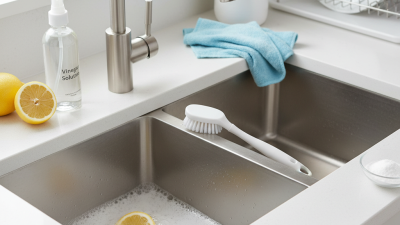
Maintaining a high-temperature resistant stainless steel sink requires simple yet effective practices. Regular cleaning is essential. Use mild detergents and avoid harsh chemicals. Scrub gently with a soft sponge. This keeps the surface shining and free from grime. Rinsing thoroughly after cleaning prevents build-up over time.
It’s important to address stains quickly. High temperatures can exacerbate any discoloration. A paste of baking soda and water can effectively tackle stubborn stains. Apply it, let it sit for a few minutes, then rinse. This method is gentle on the sink and still provides excellent results.
Consider the water quality as well. Hard water can leave mineral deposits. Regularly check for limescale build-up. If present, use a vinegar solution for a natural cleanup. Always follow up with a thorough rinse. Proper care not only enhances appearance but also contributes to longevity. Remember that a little effort prevents larger issues down the line.
High Temperature Resistant Stainless Steel Sink Maintenance Practices
Industry Standards and Certifications for High-Temperature Kitchen Sinks
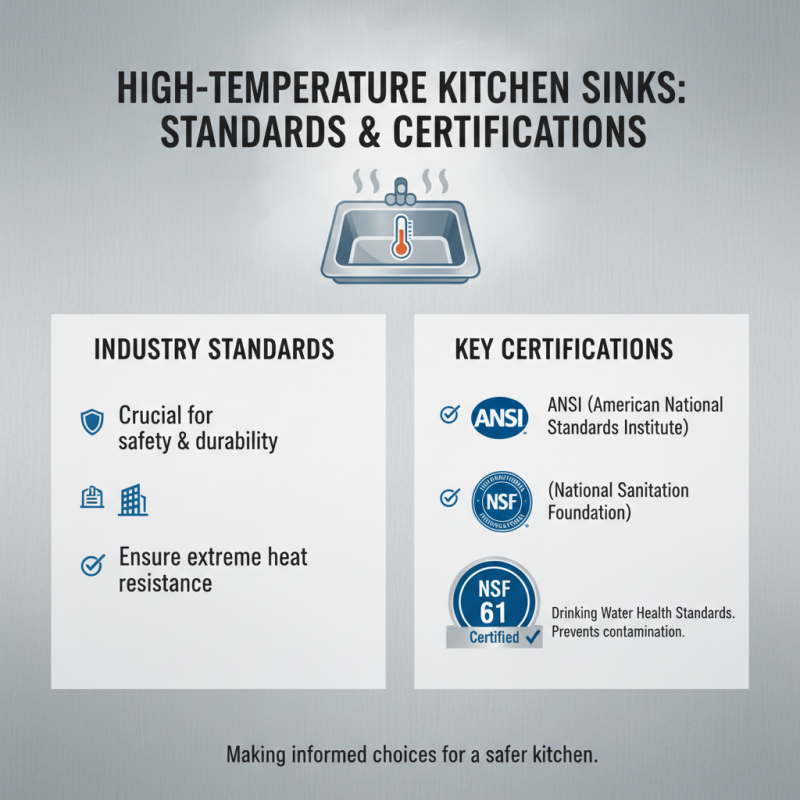
When purchasing a high-temperature resistant stainless steel sink, understanding industry standards is crucial. The American National Standards Institute (ANSI) and the National Sanitation Foundation (NSF) provide certifications that ensure sinks can withstand extreme heat. A sink marked with NSF/ANSI 61 certification indicates that it meets health standards for drinking water. This is vital in preventing contamination during food preparation.
Research shows that materials like grade 304 stainless steel rank highly in durability and heat resistance. According to ASTM A240, sinks made from this grade withstand temperatures up to 870°C (1600°F). This makes them suitable for commercial kitchens that regularly handle hot cooking and cleaning tasks. However, not all high-temperature sinks meet these standards. Poorly made products can lead to warping or corrosion, resulting in costly replacements.
Choosing a sink without understanding these standards can be risky. Sometimes, manufacturers may not disclose the full range of compliance certifications. Consumers should thoroughly research product specifications before making a decision. Paying attention to these details can save time and money in the long run. It is essential to verify that your chosen sink aligns with industry standards for safety and performance.