Top 10 Tips for Choosing Stainless Steel Kitchen and Bathroom Faucets
Choosing the right faucet can transform your kitchen or bathroom. A Stainless Steel Kitchen And Bathroom Faucet blends style and durability. It withstands daily use while enhancing your space's aesthetic. However, selecting the perfect one isn't always straightforward.
Consider the finish and design. Not all stainless steel faucets have the same shine or texture. Some may show fingerprints easily, while others resist stains. This can be frustrating when trying to maintain a clean look. Pay attention to the functionality as well. Some faucets come with pull-down sprayers, which can be extremely helpful. However, they may also require more maintenance.
Think about your budget too. A high-quality faucet can be a significant investment. Is the price justified by the features? Reflect on your needs before making a decision. Sometimes, a simpler design can be more effective and easier to care for. Ultimately, taking time to weigh these factors will lead to a more satisfying choice in your Stainless Steel Kitchen And Bathroom Faucet.
Key Considerations When Selecting Stainless Steel Faucets
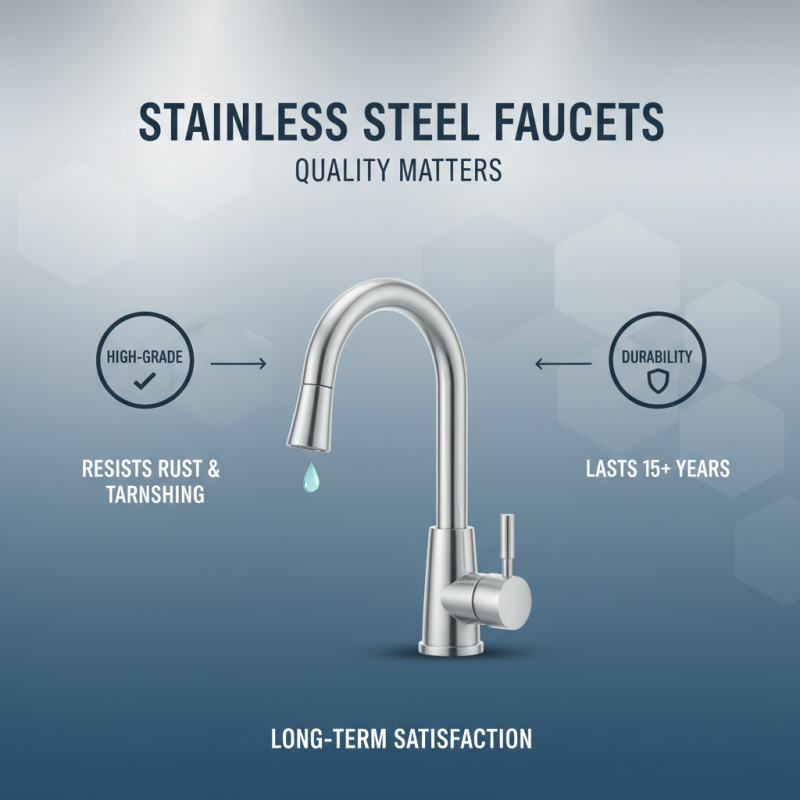
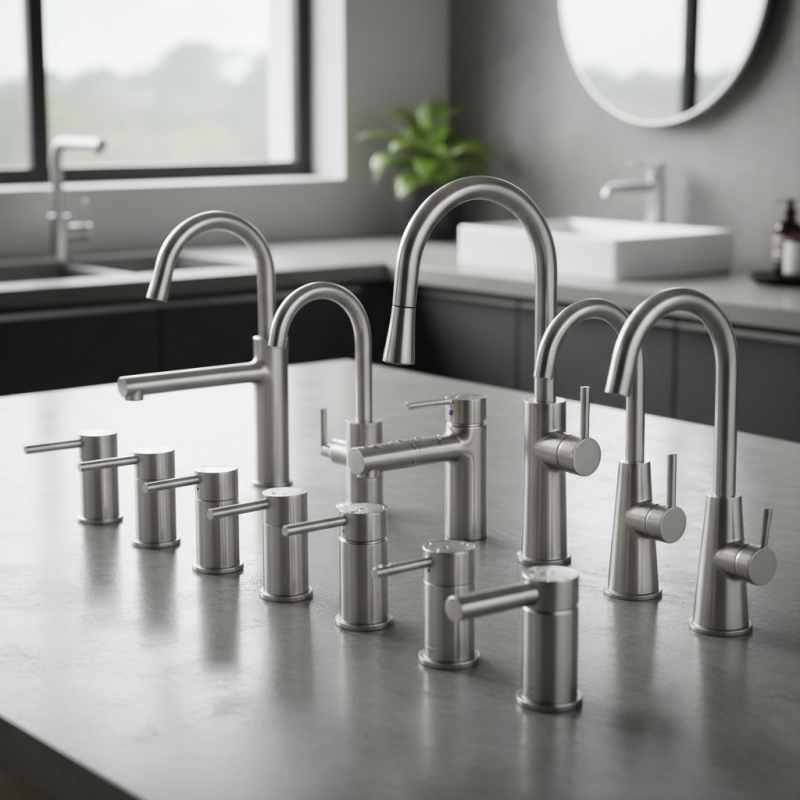
Selecting the right stainless steel faucets for your kitchen or bathroom requires careful consideration. Quality is paramount. Many reports indicate that faucets made from high-grade stainless steel resist rust and tarnishing better than lower grades. This durability can dramatically influence your long-term satisfaction. A well-made faucet can last over 15 years if properly maintained, saving you replacement costs down the line.
It’s essential to think about the finish as well. Matte and brushed finishes tend to hide water spots and fingerprints better than polished ones. However, they may not suit everyone's aesthetic preferences. Also, the weight of the faucet can indicate quality; heavier models often use sturdier materials. Many buyers overlook this detail.
Lastly, evaluate the faucet's functionality. Single-handle designs can provide ease of use while offering precise temperature control. However, some prefer the traditional dual-handle setup for its classic look. Preferences may evolve over time. Seeking user reviews can highlight common issues, such as drips or maintenance challenges that may not be apparent at first glance. While choosing a faucet may seem straightforward, these nuances merit thoughtful reflection.
Understanding Different Types of Stainless Steel Finishes
When choosing stainless steel finishes for kitchen and bathroom faucets, understanding the options is key. There are several types of finishes available, each with different textures and appearances. A brushed finish is popular; it offers a subtle sheen that hides fingerprints. This finish is often preferred for high-traffic areas. However, it may require more frequent cleaning to maintain its appearance.
Another option is a polished finish, known for its shiny, mirror-like surface. This gives a sleek and modern look. But remember, it highlights water spots and smudges easily. You might find yourself cleaning it more often than you anticipated. Matte finishes are also available. These offer a unique, low-key aesthetic. They absorb light rather than reflect it, providing a warm, understated look. Yet, they can show scratches more prominently, which might be a concern over time.
Different finishes impact the overall style of your space. When selecting a faucet, consider the surrounding decor. Mixing finishes can also create a distinctive look, but it may risk clashing. Reflect on how each finish aligns with your lifestyle and maintenance preferences. Your choice can significantly influence both functionality and design.
Evaluating Faucet Mechanics: Cartridge, Compression, and More
When choosing faucets for your kitchen or bathroom, understanding the mechanics is crucial. Faucets typically use different mechanisms, such as cartridge and compression systems. Cartridge faucets are popular due to their smooth operation. They often last longer and require less maintenance than other types. However, they can be more expensive upfront.
Compression faucets are traditional and simple. They use washers to create a seal. This can lead to leaks over time, requiring frequent repairs. If you choose these, be ready for some upkeep. The choice of mechanics significantly affects your faucet's longevity and ease of use.
Tip: Always check the handle and spout movement. If it feels stiff or wobbly, it may not be a good choice. A smooth operation feels pleasing. Also, don’t rush your decision. Take time to compare different styles and features. It’s easy to overlook the small details that matter in the long run. Ensure your chosen faucet complements your overall design and meets your needs.
Top 10 Tips for Choosing Stainless Steel Kitchen and Bathroom Faucets
Matching Faucet Styles with Your Kitchen and Bathroom Decor
Choosing the right faucet can transform your kitchen or bathroom. When you match the faucet style to your decor, you create a cohesive feel. If your kitchen features sleek, modern lines, opt for a minimalist faucet. A tall, curved design can provide elegance without overwhelming the space. In warmer-toned bathrooms, a brushed nickel finish adds a soft glow.
Pay attention to color contrasts too. A dark faucet can pop against a light sink, making it a focal point. Don't be afraid to mix finishes; a matte black faucet with a stainless steel sink can add depth. However, be cautious with mismatched styles. An ornate faucet may clash with contemporary designs. Always consider the overall vibe of your room.
It's important to visualize how the faucet fits into your space. Sometimes, what looks good online might not feel right at home. Sketching or using digital tools can help. Remember that even a small change can impact the room’s harmony. Don’t rush the process. Take time to reflect on what suits your style best.
Top 10 Tips for Choosing Stainless Steel Kitchen and Bathroom Faucets
| Tip No. |
Tip |
Style Compatibility |
Finish Type |
| 1 |
Consider the overall design theme of your space. |
Modern, Traditional |
Brushed, Polished |
| 2 |
Choose the right faucet height for your sink. |
Farmhouse, Contemporary |
Satin, Matte |
| 3 |
Select a style that complements your cabinetry. |
Classic, Transitional |
Polished, Brushed |
| 4 |
Look for easy-to-clean surfaces. |
Minimalist, Industrial |
Fingerprint-resistant |
| 5 |
Assess the water pressure in your area. |
Any style |
Any finish |
| 6 |
Consider a pull-down or pull-out faucet for flexibility. |
Modern, Contemporary |
Satin, Polished |
| 7 |
Check for durable materials and warranty. |
Any style |
Any finish |
| 8 |
Choose a style that matches other fixtures. |
Coordinated look |
Brushed, Polished |
| 9 |
Experiment with different spout types. |
Traditional, Modern |
Any finish |
| 10 |
Take your time to compare models and features. |
Any style |
Any finish |
Ensuring Longevity: Maintenance Tips for Stainless Steel Faucets
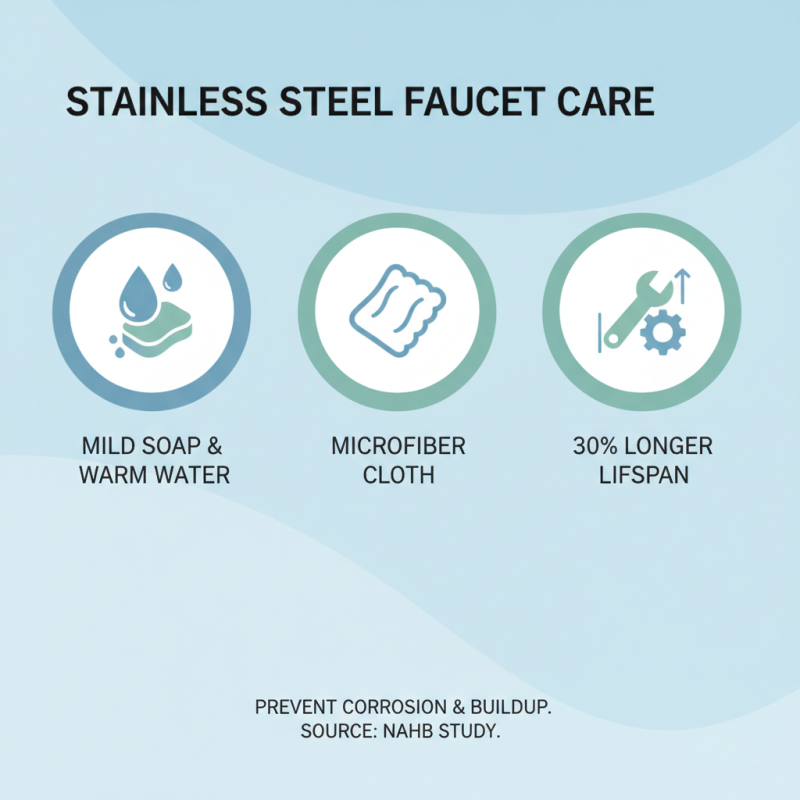
Maintaining stainless steel faucets is crucial for ensuring their longevity in kitchens and bathrooms. Regular cleaning can prevent mineral buildup and corrosion. Experts recommend using mild soap and warm water instead of harsh chemicals. A microfiber cloth can effectively wipe away stains and fingerprints without scratching the surface. According to a study by the National Association of Home Builders, regular maintenance can extend the lifespan of fixtures by 30% or more.
Water quality plays a significant role in faucet maintenance. Hard water, with high mineral content, can lead to unsightly buildup and reduce functionality. An estimated 85% of households in the U.S. are affected by hard water, which makes it important to consider water treatment solutions. Installing a water softener might be beneficial if water hardness is an issue. Additionally, regularly checking for leaks can save water and prevent further damage.
While stainless steel is durable, it is not impervious to scratches and tarnish. Avoid abrasive cleaners and steel wool. Instead, consider gentle scrubbing pads. Regularly inspecting your faucets for signs of wear will help catch issues early. Small scratches can often be polished out, preserving the faucet’s aesthetics. Reflecting on these points can help homeowners ensure the durability and functionality of their fixtures over time.