How to Choose the Best Stainless Steel Kitchen and Bathroom Faucet?
Choosing the right stainless steel kitchen and bathroom faucet can significantly impact both functionality and aesthetics. The Global Kitchen Faucet Market Report indicates a steady growth rate of 5.6% annually, reflecting increasing consumer demand for durable and stylish options. David Mitchell, a plumbing industry expert, emphasizes, "The right faucet can transform a space while ensuring long-lasting performance."
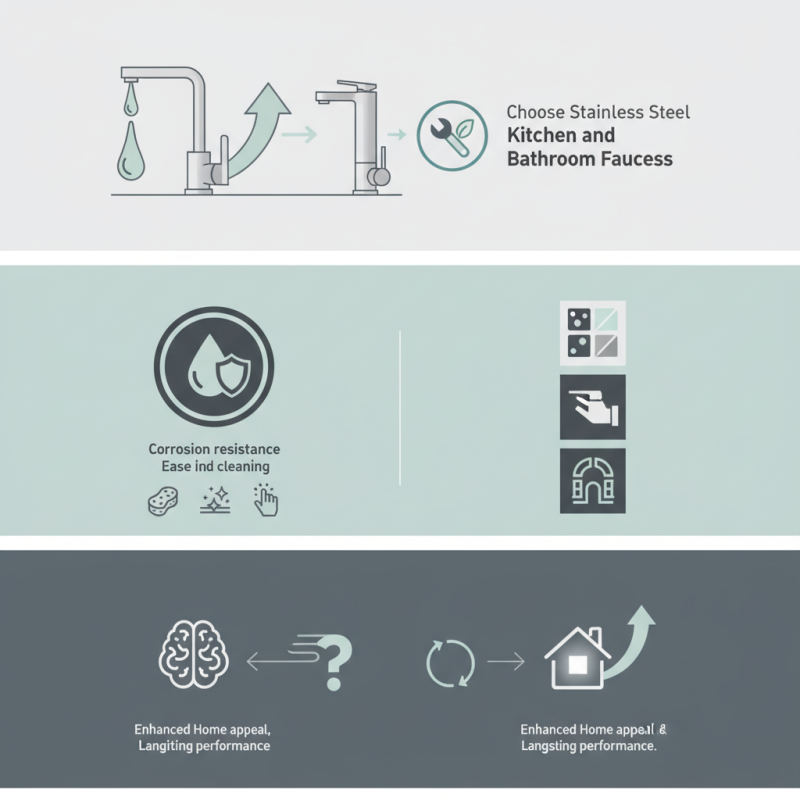
In recent years, stainless steel has emerged as the material of choice. Its resistance to corrosion and ease of cleaning make it ideal for both kitchens and bathrooms. However, with so many options available, consumers often feel overwhelmed. Many faucets claim to be the best, but factors such as finish, functionality, and design can complicate decisions.
A successful selection process requires careful consideration. It’s not only about aesthetics but also about how the faucet will perform over time. Functionality and style must go hand-in-hand to create a harmonious space. Understanding the nuances of different models can prevent regrettable choices that lead to expensive replacements down the line. Ultimately, informed decisions about stainless steel kitchen and bathroom faucets can enhance your home’s overall appeal.
Understanding Different Types of Stainless Steel Faucets for Kitchen and Bathroom
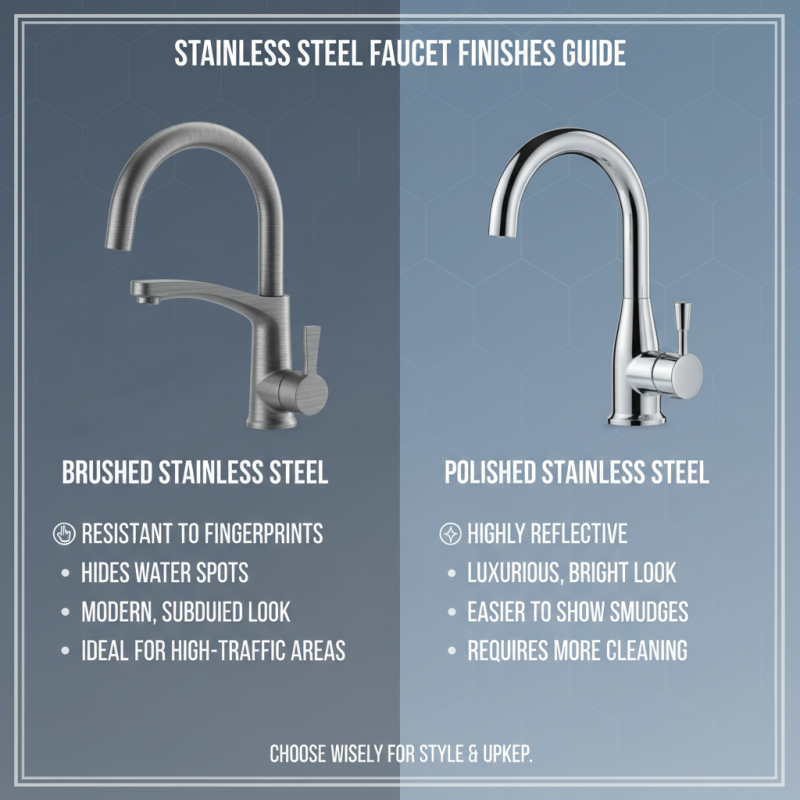
When selecting stainless steel faucets for kitchens and bathrooms, understanding types is essential. There are various finishes, like brushed or polished, each providing different aesthetics. A brushed finish is more resistant to fingerprints. It hides smudges well, making it a popular choice for busy areas.
Data from the Kitchen and Bath Association shows stainless steel faucets are favored for their durability. Approximately 75% of homeowners choose stainless steel due to its resistance to corrosion. However, not every faucet offers the same quality. Some lower-end models may have a thin coating, exposing the base metal. Over time, this can lead to rust and unattractive water spots.
Another consideration is the faucet's functionality. Pull-down and pull-out designs are user-friendly. These features make food preparation easier. Yet, some consumers overlook installation complexity. A beautifully designed faucet can become a hassle if not properly installed. Remember, a good faucet is a blend of style and practicality.
Key Features to Consider When Selecting a Stainless Steel Faucet
When selecting a stainless steel kitchen or bathroom faucet, consider several key features. The finish matters. A brushed or polished look can enhance your space. Think about the durability as well. Stainless steel is resistant to corrosion, but not all grades are equal. Higher-grade steel performs better in high-use areas.
Functionality is another important aspect. Pull-down sprayers offer versatility. A single handle is easier for quick adjustments. Make sure the height suits your sink and space. Check the reach of the spout; it should meet your needs.
Installation is often overlooked. Some faucets come with complicated setups. Choose one that matches your skill level. Also, consider your plumbing. Not all faucets fit every system. This could lead to frustration during installation. It's essential to pick wisely to ensure a smooth experience.
Evaluating the Finishes: Polished vs. Brushed Stainless Steel Options
When choosing faucets for your kitchen or bathroom, the finish is critical. The two popular options are polished and brushed stainless steel. Polished stainless steel has a shiny surface that reflects light pleasantly. It looks sleek and modern. However, this finish shows water spots and fingerprints easily. Frequent wiping is necessary to keep it looking its best.
Brushed stainless steel has a different appeal. The surface is textured, making fingerprints less noticeable. A report by the Home Improvement Research Institute shows that
70% of homeowners prefer brushed finishes for their durability. It's often easier to maintain, especially in busy kitchens. Yet, it can appear
dull, which may not suit every style.
Tips: Consider your cleaning routine before choosing. If you live a fast-paced life,
brushed may be better. For a more elegant look,
polished could be ideal. Remember, both finishes can complement various aesthetics. Keep in mind that
the finish you select should align with your lifestyle and maintenance willingness.
Installation Considerations: What You Need to Know for Faucets
When choosing a faucet for your kitchen or bathroom, installation is key. You'll need to consider the space, plumbing, and your skill level. Installing a faucet can be straightforward, but it's not without challenges. Always check the size of your sink and counter space. Measure twice before you cut.
Tips: Ensure you have all necessary tools on hand. A wrench, screwdriver, and plumber’s tape are essential. Without the right tools, the process becomes frustrating.
You might face problems with old plumbing. It may not match your new faucet. In such cases, be prepared for adjustments. Sometimes, it’s the unexpected issues that take the most time. Double-check for leaks after installation. This step is often overlooked but crucial for a functional faucet.
Tips: Don't rush the installation. Take breaks to assess your work. A clear mind can help you avoid mistakes that you'll regret later. Also, consider the style you want. It should create harmony with your existing decor, not clash awkwardly.
Choosing the Best Stainless Steel Kitchen and Bathroom Faucets: Installation Considerations
Budgeting for Quality: Price Ranges and Long-Term Value of Faucets
Choosing a faucet can be daunting. The price usually reflects quality, but it’s not always straightforward. Industry reports show that budget faucets range from $50 to $150. These options may seem attractive, yet many break within a few years. On the other hand, mid-range faucets, priced between $150 and $300, typically last longer. They offer better materials and finishes, contributing to their durability.
However, long-term value often surpasses initial costs. Over time, cheaper faucets may lead to higher maintenance costs. Replacing a faucet costs more than just the initial price. It includes potential water damage and installation fees. For instance, homeowners can face repair expenses of around $200 after a faulty faucet leaks. Investing in quality upfront often avoids these pitfalls. Ultimately, it’s crucial to balance budget with durability. Making an informed decision pays off in the long run.