How to Choose the Best Kitchen Sink With Drain Basket?
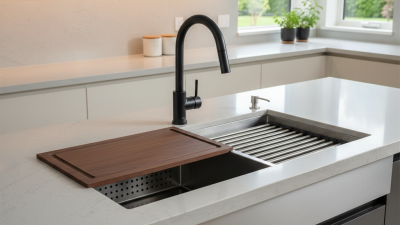
Choosing the right kitchen sink can significantly impact your daily cooking experience. A Kitchen Sink With Drain Basket combines functionality with style. It provides a practical solution for managing waste while also enhancing your kitchen's aesthetics.
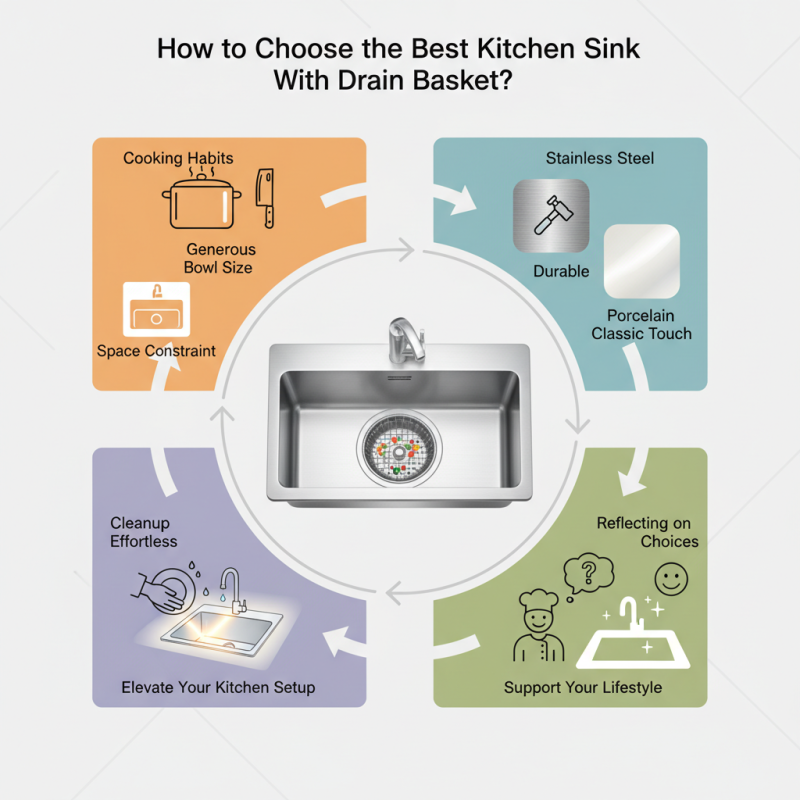
When selecting a kitchen sink, consider your cooking habits. Do you prepare large meals often? A generous bowl size is essential. Is space a constraint? A compact sink with a drain basket may serve you best. Pay attention to materials as well. Stainless steel sinks are durable, while porcelain offers a classic touch.
Reflecting on choices is key. You might find that your initial pick doesn’t align with your cooking style. Remember, your kitchen sink should support your lifestyle and not become an afterthought. A well-chosen Kitchen Sink With Drain Basket can make cleanup effortless and elevate your kitchen setup.
Understanding the Importance of a Drain Basket in Kitchen Sinks
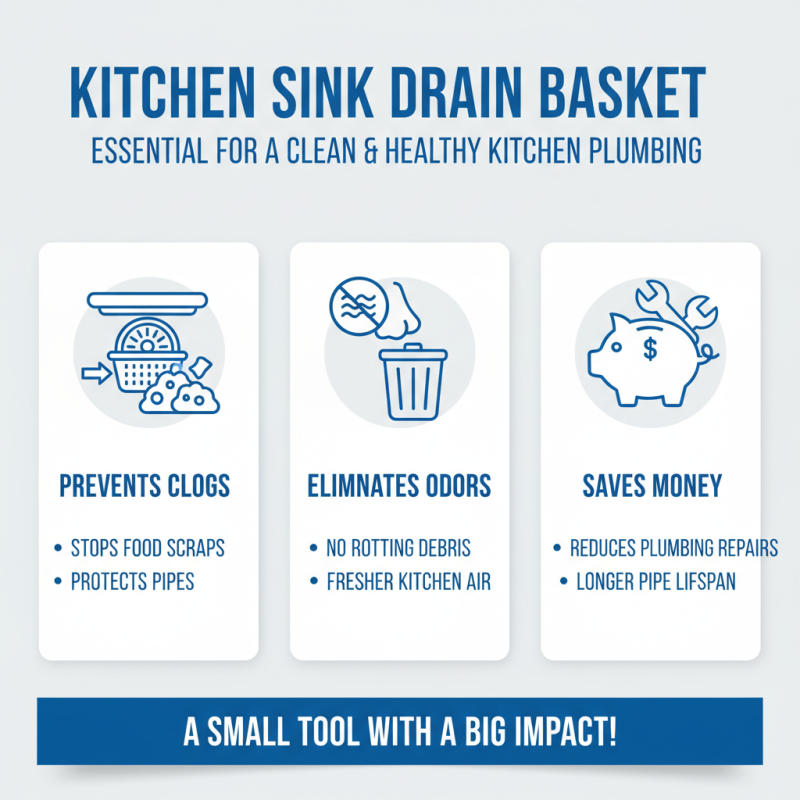
A drain basket is a valuable addition to kitchen sinks. It helps prevent food debris from clogging your plumbing. This small yet effective tool is essential for maintaining a tidy kitchen. Without it, food scraps can easily lead to unpleasant odors and costly plumbing repairs.
Choosing a sink with a drain basket can enhance your kitchen’s functionality. These baskets catch scraps during meal prep and washing dishes. They are easy to remove and clean, making them practical for daily use. A good drain basket should fit snugly to keep debris contained. It's essential to consider the size and mesh design when selecting one.
Here are some tips for choosing the right drain basket. Look for one made from durable materials that resist rust. A basket with a fine mesh will catch even the smallest pieces of food. Ensure it complements your sink’s design and fits properly. Also, consider how easy it is to remove and clean. Regular maintenance will keep your kitchen running smoothly. An overlooked basket can lead to frustrating clogs. Make the right choice to prevent long-term issues.
Types of Kitchen Sinks: Choosing Between Materials and Designs
When selecting a kitchen sink, the material and design significantly influence its functionality and aesthetics. Stainless steel, porcelain, and composite materials have distinct attributes. A report from the National Kitchen and Bath Association indicates that 75% of homeowners prefer stainless steel for its durability and easy maintenance. Its resistance to rust and corrosion makes it a practical choice for busy kitchens.
Porcelain sinks offer a classic appeal, often seen in farmhouse designs. However, they can chip or stain over time. While beautiful, the upkeep may require extra care. Composite sinks are versatile, combining materials like granite and acrylic. They resist scratching and are available in various colors, appealing to modern preferences.
Tip: Consider your cooking habits when choosing a sink. If you frequently wash large pots, a deeper sink could be beneficial.
Another aspect to reflect on is finish. Matte, glossy, and textured surfaces each bring different maintenance needs. Glossy finishes show water spots quickly, while matte can hide imperfections but may need specific cleansers. Making informed choices ensures a sink complements your style and meets your practical needs.
Factors to Consider When Selecting a Kitchen Sink Size and Configuration
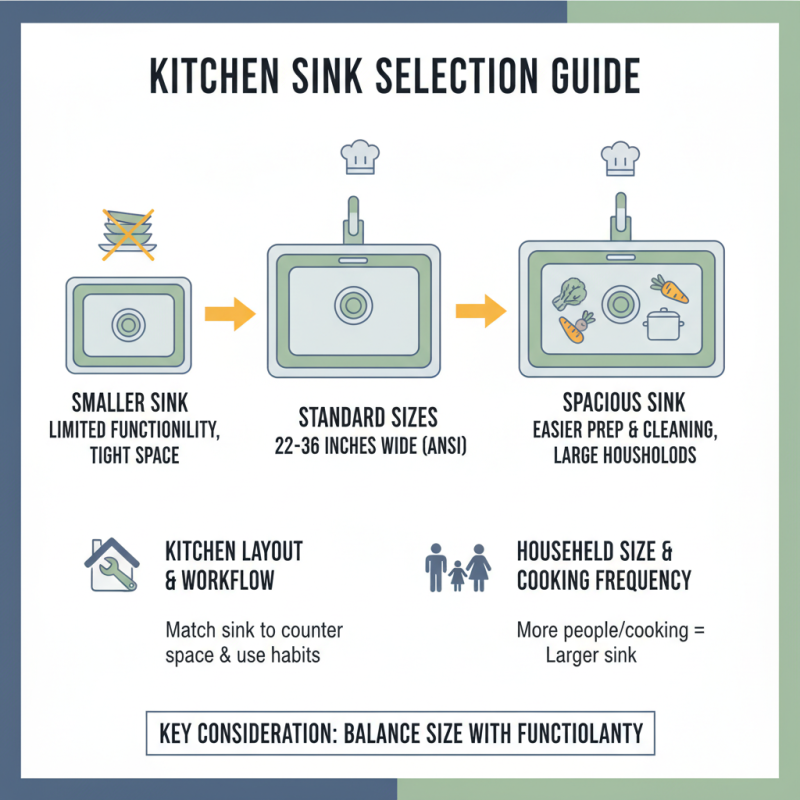
Choosing the right kitchen sink involves careful consideration of size and configuration. The American National Standards Institute (ANSI) states that standard sink sizes typically range from 22 to 36 inches in width. However, your choice should align with your kitchen layout and workflow. A smaller sink may seem practical but could hinder functionality. A spacious sink allows for easier food prep and cleaning, particularly for larger households or those who cook frequently.
When evaluating sink configuration, depth matters greatly. Standard depths are 8 to 10 inches. A deeper sink can handle larger pots and pans but may require more bending, which can strain your back. The design should consider your cooking habits. If you often use large cookware, a deep sink with additional features like a drain basket can enhance efficiency. Research from the National Kitchen and Bath Association (NKBA) shows that 60% of homeowners prefer single bowl sinks for their versatility, but dual bowls can offer better separation of tasks.
Reflecting on the layout is crucial. An inefficient placement can lead to frustration during meal prep. Think about the proximity to your stove and refrigerator. According to a recent survey, 40% of users reported dissatisfaction with their sink location after installation. This highlights the importance of planning ahead. Ultimately, the sink you choose should support your specific needs, balancing aesthetics and functionality for an effective kitchen environment.
Evaluating the Functionality and Features of Drain Baskets
When choosing a kitchen sink with a drain basket, functionality comes first. A well-designed drain basket can catch food scraps and debris, preventing clogs in your plumbing. Stainless steel baskets are popular due to their durability and ease of cleaning. They resist rusting and can withstand heavy use in busy kitchens. However, consider that some materials may scratch easily, showing wear over time.
Size and shape matter too. A larger basket can hold more waste, which is beneficial for cooking enthusiasts. If you often host gatherings, this feature will save time on cleaning. Conversely, a smaller basket may fit snugly in compact sinks. It’s essential to assess your kitchen space and cooking habits before making a choice.
Check the design for ease of removal. Some baskets are hard to lift, making cleaning a hassle. A poorly designed basket adds frustration during routine kitchen tasks. Look for baskets that fit securely yet release easily when needed. Lastly, evaluate the overall sink design. An attractive sink can elevate your kitchen’s aesthetic, but it shouldn't sacrifice practicality. Balancing style and function will lead to a more satisfying kitchen experience.
How to Choose the Best Kitchen Sink With Drain Basket? - Evaluating the Functionality and Features of Drain Baskets
| Feature |
Description |
Advantages |
Considerations |
| Material |
Common materials include stainless steel, ceramic, and composite. |
Durability, resistance to stains, and cleanability. |
Some materials may chip or scratch easily. |
| Size |
Available in various dimensions suitable for different kitchen layouts. |
Can maximize workspace and meet specific cooking needs. |
Large sinks may require additional plumbing considerations. |
| Drain Basket Design |
Can vary in style: standard, removable, or built-in. |
Easy cleaning and prevents debris from clogging plumbing. |
Some designs may be less effective in preventing food particles from escaping. |
| Installation Type |
Top-mount, under-mount, or drop-in options available. |
Varies in aesthetic appeal and convenience for installation. |
Different installation types may require specific counters or cabinetry. |
| Cleaning Ease |
Some sink materials are easier to maintain than others. |
Time-saving and reduces the risk of bacteria build-up. |
Chemical cleaners may harm some materials. |
Maintenance Tips for Keeping Your Kitchen Sink and Drain Basket Clean
To maintain a clean kitchen sink and drain basket, follow a few essential tips. Regular cleaning is crucial. Use a mixture of
vinegar and baking soda to eliminate odors and grime.
This natural solution is effective and safe for most sinks. Pour it down the drain and let it sit for 15 minutes before rinsing.
This simple routine can significantly improve your sink's cleanliness.
Consider the materials of your drain basket. Some materials trap debris more than others. Ensure that you are regularly removing leftover food particles to prevent buildup.
Rinsing the basket under hot water can help. A soft brush can also reach stubborn spots.
Look closely for signs of wear. A worn out drain basket might not catch everything, leading to clogs. Replacing it when it shows signs of damage is important.
Keeping a clean sink and basket isn't just about appearance; it can prevent plumbing issues in the long run.