Top Children's Sink Trends for 2026 What to Look For?
As we look ahead to 2026, the world of Children's Sinks is evolving. Parents and designers alike are recognizing the importance of functionality combined with fun. Expert designer Jane Thompson notes, “Children's sinks should inspire creativity and enhance independence in young ones.” This perspective emphasizes the role a sink plays in a child's daily routine.
The trends shaping the Children's Sink market reflect a broader understanding of child development. Sinks are not just practical fixtures; they are also tools for learning. Features like colorful designs and adjustable heights will become more common. Families are seeking sinks that not only serve their purpose but also engage children. This transforms mundane activities into enjoyable experiences.
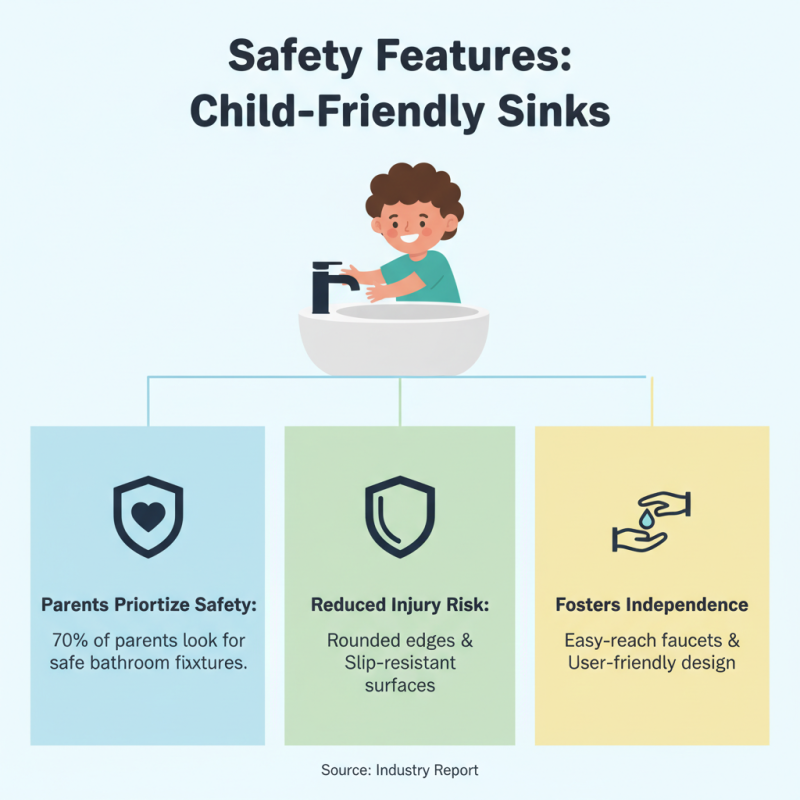
However, challenges remain. Ensuring safety while introducing innovative features is vital. Not every design that looks appealing will be practical for children's use. The balance between aesthetics and usability will be a crucial factor in future designs. A successful Children's Sink combines safety, fun, and education, creating a space where children can thrive.
Emerging Materials: Eco-Friendly Options for Children's Sinks
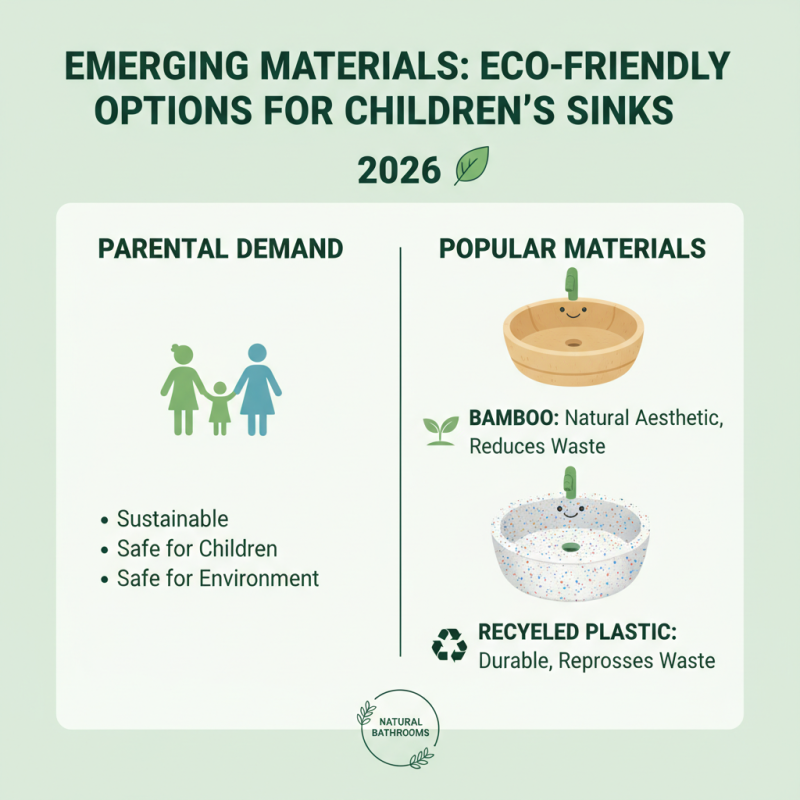
In 2026, eco-friendly materials are set to dominate the landscape of children's sinks. Parents increasingly seek sustainable options that are safe for children and the environment. Bamboo and recycled plastic are examples of materials gaining popularity. These choices not only reduce waste but also introduce a natural aesthetic to bathroom spaces.
Parents should be aware that eco-friendly doesn’t always mean perfect. Some sustainable materials may require extra care or may not be as durable as traditional options. For instance, bamboo can be sensitive to moisture and needs proper sealing. Finding a balance between style, functionality, and environmental impact is crucial.
Moreover, incorporating biodegradable adhesives in sink assembly can further enhance sustainability. Innovations in production techniques can also improve the longevity of these materials. Emphasizing usability while being eco-conscious is key. Consumers need to navigate these choices carefully to ensure they make informed decisions that benefit their children and the planet.
Innovative Designs: Incorporating Fun and Functionality
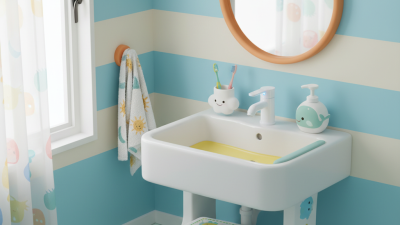
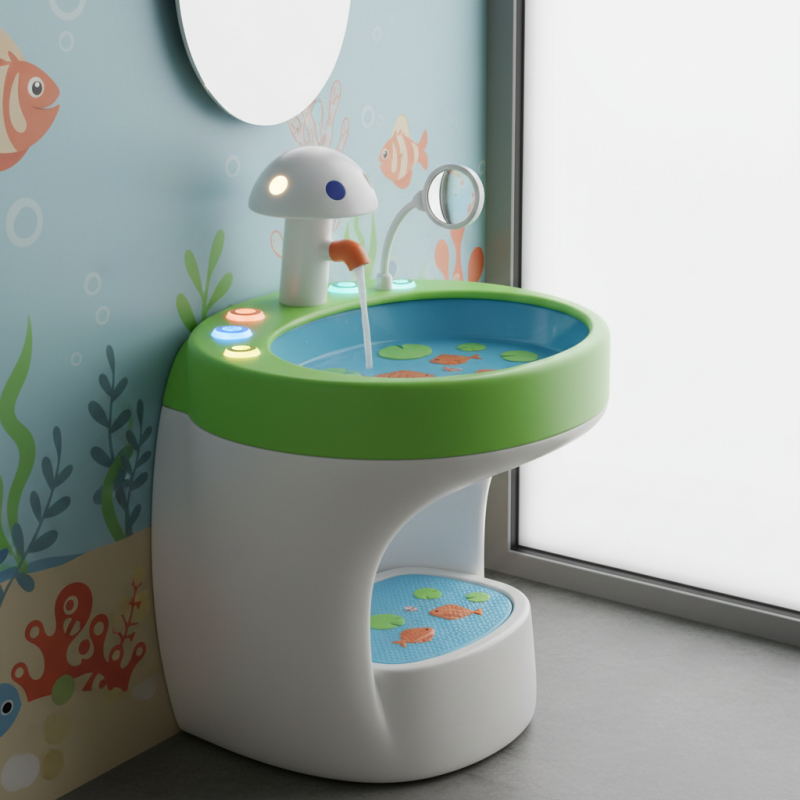
In 2026, children's sinks are set to undergo exciting transformations. Innovative designs will focus on blending fun and functionality. Bright colors, playful shapes, and interactive features will dominate the landscape. Imagine a sink shaped like a friendly whale or a vibrant rainbow. These designs will appeal to children's imagination while ensuring practicality for parents.
Functionality will be paramount. Adjustable heights are essential as children grow. Integrated storage for soap and toys will keep the area tidy. Easy-to-clean materials will make maintenance a breeze. However, balancing fun and usability may pose challenges. Designs must remain safe and durable, which requires thoughtful planning. Practical experiments in design may lead to some missteps. Emphasizing creativity is crucial, but it should never compromise safety.
Educators and designers will collaborate closely. They will focus on how children interact with their environment. Each sink must be an engaging experience, encouraging good hygiene habits. As trends evolve, we can expect designs that not only serve a purpose but also spark joy. Thoughtful feedback loops during design phases will be necessary to refine these ideas. While the vision is bright, practical execution will require dedication and reflection.
Top Children's Sink Trends for 2026 What to Look For?
| Trend |
Description |
Materials |
Features |
| Interactive Elements |
Sinks with built-in games or activities to make washing hands fun. |
Plastic, Resin |
Sensor-activated features, playful designs. |
| Colorful Designs |
Bright colors and playful motifs to attract children's attention. |
Ceramic, Acrylic |
Customizable colors, themed decorations. |
| Eco-friendly Options |
Sinks made from sustainable materials to promote environmental awareness. |
Recycled materials, Bamboo |
Low water usage, biodegradable components. |
| Adjustable Heights |
Sinks that can be adjusted as children grow. |
Metal, High-grade Plastic |
Height adjustability, ergonomic designs. |
| Multifunctional Features |
Combination of sinks with storage or other uses. |
Wood, Composite Materials |
Built-in storage, dual-purpose units. |
Color Trends: Bright and Engaging Palettes for Kids' Spaces
Color plays a crucial role in children's environments. Bright and engaging palettes can influence mood and creativity. According to a 2022 report by the Color Marketing Group, vibrant colors significantly enhance children's focus and engagement. In 2026, expect a shift towards playful hues like coral, teal, and sunshine yellow. These colors evoke a sense of joy and adventure.
In recent years, there has been a rise in the popularity of multi-colored sinks. This trend reflects the desire for interactive and stimulating spaces. A study from the American Society of Interior Designers (ASID) highlights that 73% of educators believe color influences a child's emotional well-being. Designing with a strategic color scheme can enhance learning environments, making them more inviting.
However, choosing the right colors can be challenging. Some colors may overwhelm or distract children. Shades that are too bright can lead to overstimulation. It's essential to balance vibrant palettes with calming tones. Incorporating neutral backgrounds can provide a soothing effect, allowing bright colors to pop without overwhelming the senses. Thoughtful consideration in color choices will create harmonious and effective spaces for children.
Top Children’s Sink Trends for 2026: Color Trends
Smart Technology: Integrating Interactive Elements in Sinks
Smart technology is reshaping children’s sinks in innovative ways. Integrating
interactive elements can make
handwashing fun and engaging for
kids. Motion sensors, colorful lights, and sound effects can transform an ordinary
sink into an exciting experience.
These features encourage hygiene habits and make daily routines more enjoyable.
Consider adding sensory elements like water temperature displays. Kids often
don't know when water is too hot or cold. A simple
color indicator could solve this problem.
Gentle sounds could signal when it’s time to wash or rinse. These ideas can make
learning proper hygiene less of a chore.
Tips: Look for sinks that offer
educational games in a safe format. This can further enhance the experience.
Incorporate elements that allow children to express creativity. For instance,
stickers or colorful decals could personalize their space. Reflect on usability;
ensure that tech features won’t overwhelm young users.