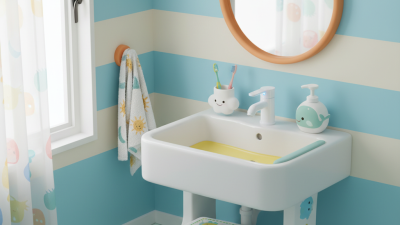
How to Choose the Best Children's Sink for Your Home?
Choosing the right children's sink for your home is an important task. A suitable sink not only enhances functionality but also promotes independence in kids. Consider various factors like size, material, and design when selecting a children's sink.
Safety is paramount. Sink edges should be rounded, and materials should be non-toxic. Additionally, height is crucial. The sink must be accessible for children, allowing them to wash hands easily. Look for options with anti-slip surfaces to prevent accidents.
Aesthetics play a role too. Bright colors or fun shapes can make washing hands more inviting. However, practicality is equally vital. Ensure the sink is easy to clean and maintain. Reflect on your kitchen or bathroom space; it should complement your existing décor. Balancing style and function is a challenge worth addressing when choosing a children's sink.
Understanding the Importance of a Children's Sink in Your Home
When creating a child-friendly home, a children's sink plays a crucial role. Kids thrive in spaces designed for them. A properly sized sink empowers children to develop independence. It encourages them to wash hands after crafts or snacks. This simple act can instill good hygiene habits early on.
The right sink also enhances playtime. Children love experimenting with water. With a designated sink, they can freely engage in creative activities without worrying about mess. Installing a sink at their height shows that you trust them. This builds their confidence in handling tasks independently.
However, not all sinks are created equal. Some may not be the right size for your child. Others might be too complicated for little hands to use. It's essential to reflect on your choices carefully. Consider safety features and ease of use. A functional sink makes routines enjoyable, but it should also be a comfortable fit for your home dynamics.
Key Features to Consider When Selecting a Children's Sink
When selecting a children's sink for home use, certain features stand out as essential. Safety is paramount. According to a survey from the American Academy of Pediatrics, children are prone to accidents around water. Opt for sinks with rounded edges to minimize injury risks. Non-slip surfaces are crucial to prevent slips when kids are washing their hands or brushing teeth. A sink height appropriate for children encourages independence, making it easier for them to reach.
Functionality also plays a significant role in the selection process. The National Kitchen and Bath Association reports that user-friendly features can enhance daily routines. Look for sinks with a shallow depth to prevent splashing. Additionally, consider integrated storage to keep necessary items within reach. Other designs include adjustable faucets, which can grow with your child, promoting long-term usability. An aesthetically pleasing design can excite children about their hygiene routines.
A sink that is easy to clean can save parents time. Non-porous materials like porcelain or stainless steel are effective choices. Regular maintenance is crucial for hygiene. However, remember that a balance between durability and appearance is vital. Some finishes might scratch easily, requiring periodic touch-ups. Therefore, understanding these details can help the selection process become a rewarding experience for both parents and children.
Materials and Safety Standards for Children's Sinks
When selecting a children's sink, understanding materials and safety standards is essential. Look for sinks made of non-toxic materials. Common choices include ceramic, stainless steel, and high-quality plastic. These materials are durable, easy to clean, and resistant to stains. They should also be free of harmful chemicals that could pose health risks.
Safety standards are crucial when choosing a sink. Ensure that the product complies with national safety regulations. Check for features like rounded edges to prevent injuries. A sink with a lower height is ideal for kids, making it accessible. Remember, colors and textures can enhance engagement. Vibrant designs or fun shapes may encourage children to use the sink properly. It's helpful to look for feedback from other parents regarding their experiences with specific sinks.
Consider the installation process too. Some sinks may be harder to set up, requiring professional help. This added cost can be a factor. Investing in a quality sink is worthwhile, but it should match your home’s needs. Reflect on your space and how the sink will fit in. Balancing practical features with fun elements creates a harmonious environment for children.
Size and Design: Finding the Right Fit for Your Child
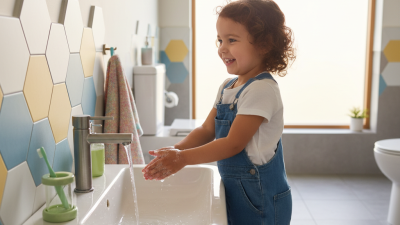
When choosing a children's sink, size and design play a crucial role. A sink that complements your child's height encourages independence. If the sink is too high, children may struggle to reach it comfortably. A good height allows them to wash their hands or brush their teeth easily. Look for sinks with a height of around 24 inches for younger kids. This ensures that they can engage with it without assistance.
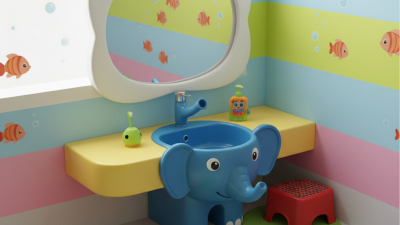
Design elements also matter significantly. Consider colorful fixtures or fun shapes that appeal to children. A sink shaped like an animal or with bright colors can make washing up enjoyable. However, ensure that these designs do not compromise functionality. A sink should still serve its primary purpose efficiently. Some parents find that overly decorative sinks may not fit into their home’s overall decor. This can lead to dissatisfaction.
Reflect on practicality as well. Installation should be straightforward. Some sinks require complex plumbing adjustments. Others may need special countertops that match the playful design. Therefore, measure your available space. Always think about future usability too. The ideal sink meets a child's needs today, but it should also be a lasting solution as they grow.
How to Choose the Best Children's Sink for Your Home? - Size and Design: Finding the Right Fit for Your Child
| Feature |
Description |
Recommended Size |
Design Style |
| Height |
The height should allow your child to reach the sink comfortably. |
24 - 30 inches |
Modern, Classic |
| Width |
Consider the child's ability to serve themselves and wash hands. |
16 - 24 inches |
Compact, Space-Saving |
| Material |
Durable and easy to clean materials are essential for safety. |
N/A |
Ceramic, Stainless Steel |
| Faucet Type |
Easy-to-use single or dual handle faucets. |
N/A |
Recessed, Wall-Mounted |
| Safety Features |
Features like rounded edges and slip-resistant surfaces. |
N/A |
Kid-Friendly, Ergonomic |
Maintenance and Care Tips for Children's Sinks
Maintaining a children's sink requires special attention. Regular cleaning is essential to keep it hygienic. Use mild soap and warm water to wipe down the surface. Avoid harsh chemicals that may damage the finish. Take time to scrub hard-to-reach spots. These areas can accumulate grime and bacteria.
Inspect the sink for any signs of wear or damage. Cracks can harbor germs, making it vital to address them promptly. Replace any worn-out parts as needed. Regular maintenance can prevent costly repairs later. Encourage children to help with simple cleaning tasks. This not only teaches them responsibility but also helps them develop good hygiene habits.
Occasionally, check the plumbing for leaks. A small leak can lead to larger issues over time. If you notice persistent drainage problems, it may be worth seeking professional help. A functioning sink should not only look good but also perform well. Remember, a little effort in maintenance goes a long way. It creates a safe and enjoyable environment for your children.