Top 10 Easy To Clean Stainless Steel Sink Options?
When it comes to choosing a durable kitchen feature, an "Easy To Clean Stainless Steel Sink" stands out. Chef Mark Henderson, a renowned kitchen design expert, once said, “A clean sink makes cooking feel less daunting.” This statement echoes the sentiments of many homeowners who value cleanliness and convenience in their kitchens.
Stainless steel sinks offer a blend of practicality and elegance. They are resistant to stains and easy to maintain, making them ideal for busy kitchens. Many designs today incorporate sound-deadening technology, reducing noise when washing dishes. Bright finishes can also transform the overall look of the kitchen, enhancing aesthetics while serving a functional purpose.
However, not all stainless steel sinks are created equal. Some may scratch or dent easily, losing their visual appeal over time. A thoughtful selection process is essential, as choosing the right sink involves weighing factors like gauge, finish, and installation type. Considering these aspects can greatly improve the usability of your kitchen, allowing for a more organized and productive cooking environment.
Overview of Stainless Steel Sink Materials and Features
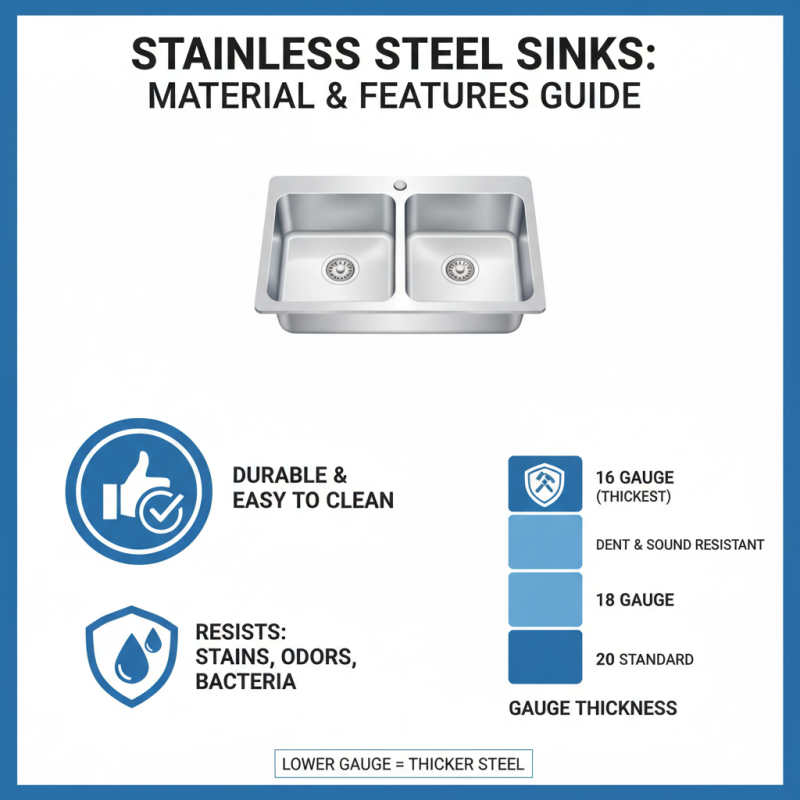
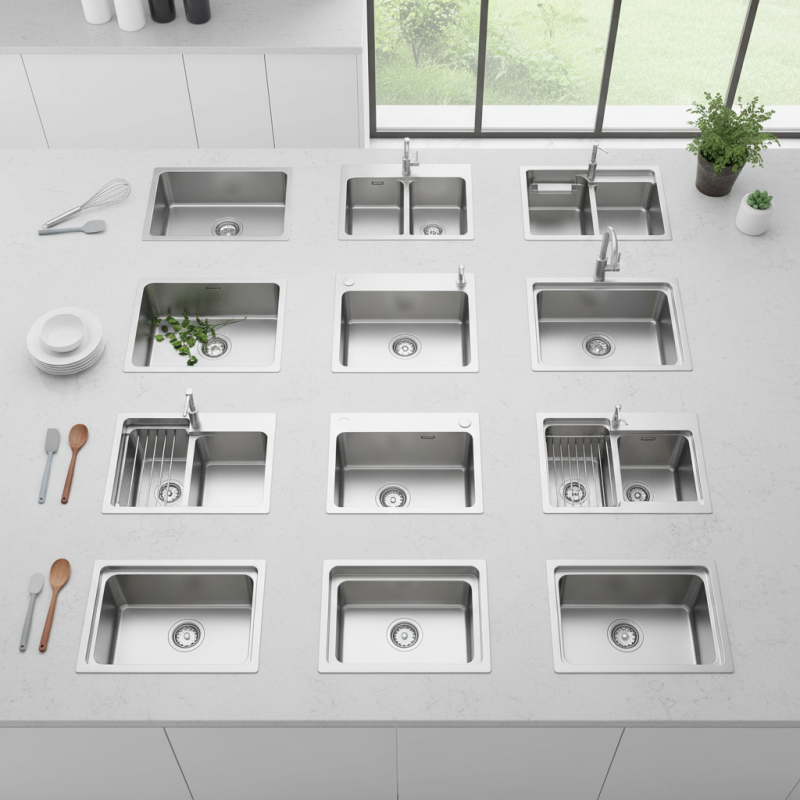
Choosing a stainless steel sink means understanding the materials and features available. Stainless steel is favored for its durability and ease of cleaning. It resists stains, odors, and bacteria better than many alternatives. When selecting a sink, look for gauges ranging from 16 to 20. Lower gauges, like 16, indicate thicker steel. Thicker steel offers better resistance to dents and sound.
Finish also plays a vital role. A brushed finish hides fingerprints well, while polished options shine but show smudges easily. Under-mount sinks are popular for their sleek look. They allow seamless cleaning of countertops. However, mounting can be complicated and often requires professional installation.
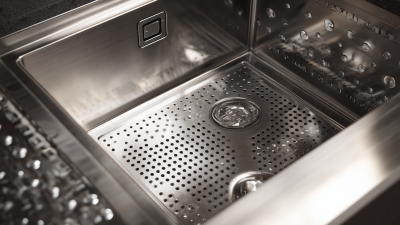
Consider the depth of the sink. Deeper sinks can help prevent splashes, but they may also strain your back during use. Some sinks have additional features like built-in grids or drainboards, enhancing functionality. While stainless steel sinks are generally easy to maintain, they can require some effort to keep shiny, especially in hard water areas. Understanding these features helps in making an informed decision that suits your kitchen needs.
Benefits of Easy-to-Clean Stainless Steel Sinks
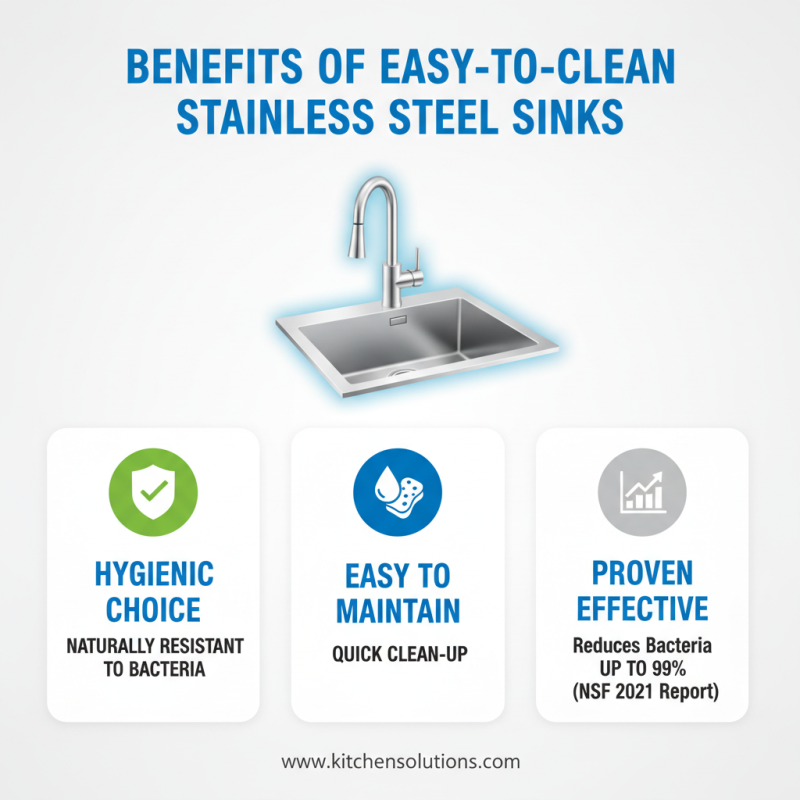
Choosing an easy-to-clean stainless steel sink offers numerous benefits that enhance both functionality and aesthetics in the kitchen. Stainless steel is naturally resistant to bacteria, making it a hygienic choice for food preparation. According to a 2021 report by the National Sanitation Foundation, stainless steel sinks can reduce bacterial contamination by up to 99%.
Another significant advantage is durability. Quality stainless steel can withstand heavy use without scratching or denting. This resilience ensures that your sink retains its appearance over time, despite everyday wear and tear. Many homeowners appreciate the ability to simply wipe down their sink after use, rather than grappling with stubborn stains or residue.
For those considering an easy-to-clean option, here are a few tips. Opt for sinks with smooth surfaces that lack crevices where grime can accumulate. Regular maintenance with gentle cleaners can keep the finish shiny. Lastly, remember that even stainless steel can show water spots, so drying the sink after each use can prevent this issue.
Many users appreciate the non-porous nature of stainless steel. This characteristic helps reduce the need for harsh chemicals, aligning with eco-friendly cleaning practices. However, it is essential to address any scratches promptly. A rough surface may trap more dirt, making cleaning more challenging. Balancing practicality and aesthetics can require some thought, but the benefits are clear.
Top 10 Stainless Steel Sink Models for Easy Maintenance
When choosing a stainless steel sink, easy maintenance is key. A smooth, brushed finish can hide scratches and stains. Models with sound-dampening pads minimize noise during use. Extra-deep basins make it easier to clean large pots and pans without splashing.
Consider the design features that promote hygiene. Some sinks include integrated drains that prevent clogs. Others have rounded edges, which reduce grime buildup. Many homeowners overlook these details, leading to increased cleaning time. Undermount options can be prone to buildup under the rim, but they save space.
Regular maintenance remains crucial, even with easy-to-clean models. Using non-abrasive cleaners protects the sink's finish. Regularly drying the sink after use can prevent water spots. It's easy to forget these small steps, yet they have a big impact. Balancing design and care can turn your kitchen into an efficient workspace.
Top 10 Easy To Clean Stainless Steel Sink Options
| Model |
Size (Inches) |
Gauge |
Finish |
Features |
Price Range (USD) |
| Model A |
32 x 20 |
16 |
Brushed |
Scratch-resistant, Noise dampening |
250 - 300 |
| Model B |
30 x 18 |
18 |
Polished |
Easy to clean, Deep basin |
200 - 250 |
| Model C |
33 x 22 |
16 |
Brushed |
Corner radius, Single basin |
300 - 350 |
| Model D |
25 x 22 |
18 |
Satin |
Pre-drilled holes, Easy to install |
150 - 200 |
| Model E |
36 x 20 |
16 |
Mirror finish |
Dual basin, High capacity |
400 - 450 |
| Model F |
27 x 18 |
20 |
Brushed |
Compact size, Easy drainage |
120 - 160 |
| Model G |
31 x 20 |
18 |
Satin |
Stylish design, Heat resistant |
250 - 300 |
| Model H |
33 x 22 |
16 |
Polished |
Modern aesthetic, Easy to maintain |
270 - 320 |
| Model I |
30 x 19 |
18 |
Brushed |
Durable material, Stylish finish |
220 - 270 |
| Model J |
25 x 22 |
20 |
Satin |
Small footprint, Easy to clean |
100 - 140 |
Comparison of Sink Styles: Undermount, Drop-In, and Farmhouse
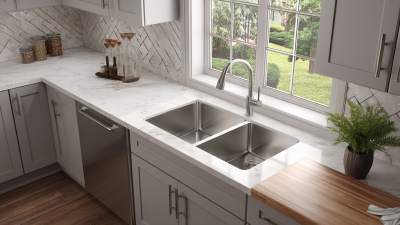
When choosing a sink, the style plays a crucial role in its functionality and aesthetic. Undermount sinks offer a sleek look, as the rim is hidden beneath the countertop. This design makes cleaning easier since there’s no lip to trap debris. However, installation can be tricky and requires precise measurements.
Drop-in sinks are popular due to their straightforward installation. They sit on top of the countertop, which can be beneficial for DIY enthusiasts. The visible lip can catch food and spills. Regular cleaning under the lip is essential. Farmhouse sinks provide a bold statement. Their front apron style is visually appealing, but they can be heavy and need solid support.
Each sink type has its pros and cons. Maintenance may vary based on the sink style. Ease of cleaning is a priority for many. Choosing a sink should reflect personal needs and lifestyle. Be ready to adjust your cleaning habits based on the style you select.
Maintenance Tips for Keeping Stainless Steel Sinks Looking New
Maintaining the pristine look of a stainless steel sink requires proper care. Regular cleaning can prevent stains and scratches, helping it last for years. It's essential to wipe down the sink daily after use. The combination of warm water and a gentle detergent works well for everyday grime. Industry reports suggest that over 70% of homeowners overlook daily cleaning, leading to tougher stains over time.
For deeper cleaning, a paste of baking soda and water can effectively tackle more significant stains. Apply the paste, let it sit for a few minutes, and scrub gently. Avoid abrasive pads, as they can leave scratches. The National Sanitation Foundation highlights that up to 40% of people are unaware of the risks posed by improper cleaning methods on their sinks.
Rinsing and drying the sink after each clean is vital. This habit helps prevent water spots and mineral buildup. Strong cleaning chemicals can damage the surface. Industry statistics reveal that many homeowners replace their sinks every ten years due to neglect. Adjusting your cleaning techniques can enhance your sink's appearance and lifespan. A few moments of care each day can yield outstanding results.