Inquiry
Form loading...

China Top 10 SUS304 Stainless Steel Single Cold Faucets?

Choosing a single cold faucet seems simple until the details appear. A narrow sink, a short countertop, or an awkward pipe connection can change what fits. This guide explores ten SUS304 stainless steel single cold faucets, with attention to material claims, construction, installation needs, and everyday use. The goal is not to treat a ranked list as proof of quality. Product specifications and seller descriptions should be checked before purchase.

SUS304 is commonly used in household fixtures because it offers useful corrosion resistance, but the grade alone does not tell the whole story. Look closely at the faucet body, finish, valve, connectors, and warranty. A polished surface may show water spots; a brushed finish can make them less obvious. Small details matter. The Sus304 Stainless Steel Straight Drink Single Cold Faucet is one example of a design shoppers may encounter, especially where a straightforward, cold-water outlet is preferred. Confirm its dimensions, connection size, and intended installation before assuming it will suit a particular sink.

The ten options in this overview are considered through practical questions: Is the handle easy to operate with wet hands? Does the spout reach the basin without splashing? Are care instructions clear? These are modest checks, yet they matter in daily use. Photos can hide awkward clearances, and specifications are sometimes incomplete. That is worth admitting. No list can replace measuring your sink or verifying product information with the manufacturer. Use the comparison as a starting point, then choose a faucet that fits your plumbing, space, and routine.
China Top 10 SUS304 Stainless Steel Single Cold Faucets?

Understanding SUS304 Stainless Steel Single Cold Faucets

A SUS304 stainless steel single cold faucet uses one inlet for unheated water. It can suit utility sinks, balconies, and simple wash areas. SUS304 contains chromium and nickel, which help resist everyday corrosion. That does not make it rustproof. Standing water, harsh cleaners, or poor installation can still leave marks or cause leaks. Check the stated material grade, not just a shiny surface. Looks can mislead.

The handle regulates water flow, but not its temperature. Before buying, measure the mounting hole and confirm the inlet thread matches your supply hose. During installation, use suitable sealing and avoid overtightening; stressed connections may drip later. Run the tap briefly, then check beneath the basin with a dry tissue. This can reveal a slow leak before cabinet panels swell. Clean with mild soap and a soft cloth, then rinse and dry around the base. Small habits help. One detail is easy to overlook: a low spout may not leave enough room to fill a bucket.

China Top 10 SUS304 Stainless Steel Single Cold Faucets? - Understanding SUS304 Stainless Steel Single Cold Faucets

The examples below describe common single-cold faucet styles and configurations, not a ranked list of products or manufacturers. Specifications vary by model; confirm dimensions, thread standards, and installation requirements with the supplier.

No. Common faucet style Typical installation Water and control Common application Points to check
1 Straight-spout basin faucet Deck-mounted, single-hole One cold-water inlet; single handle or knob Bathroom or utility basin Check basin-hole size, spout reach, and clearance.
2 Gooseneck basin faucet Deck-mounted, single-hole Cold-water only; raised curved spout Basins needing extra space below the outlet Confirm total height and avoid splash from excessive reach.
3 Short-spout utility faucet Deck-mounted or basin-mounted Single cold inlet; compact body Laundry sinks, wash areas, and compact basins Check that the outlet reaches the center of the bowl.
4 Wall-mounted utility faucet Wall-mounted; inlet spacing depends on the model Cold-water only; lever or knob control Laundry or service sinks with wall plumbing Match outlet position and connection spacing to existing pipework.
5 Swivel-spout sink faucet Deck-mounted, usually single-hole One cold inlet; spout rotates on its joint Single-bowl or small utility sinks Check swivel range, joint durability, and sink clearance.
6 Faucet with aerator outlet Deck-mounted or wall-mounted, depending on design Cold-water only; outlet mixes air into the stream Handwashing and general basin use Aerator flow depends on water pressure and the fitted insert.
7 Faucet with plain outlet Deck-mounted or wall-mounted Single cold inlet; no aerator specified Basic wash or utility stations Ask whether the outlet has a removable screen or flow insert.
8 Lever-handle faucet Deck-mounted or wall-mounted One inlet; lever operates the shutoff valve Everyday basins and utility sinks Confirm handle movement, cartridge type, and replacement-part availability.
9 Knob-handle faucet Deck-mounted or wall-mounted One cold inlet; knob turns to open or close Basic or traditional-style wash areas Check the valve mechanism and whether the handle is easy to grip.
10 Brushed-finish SUS304 faucet Mounting style varies by model Single cold-water inlet; finish is a surface treatment Indoor basins and utility sinks Verify which parts are SUS304; handles or internal components may use other materials.

Material and specification note: SUS304 is an austenitic stainless-steel grade. A SUS304 description should be checked against the product’s material declaration, since a faucet may combine stainless steel with other materials. Inlet thread standards, working-pressure limits, dimensions, and surface finishes are model-specific; confirm them before purchase or installation.
How SUS304 Steel Affects Durability and Corrosion Resistance

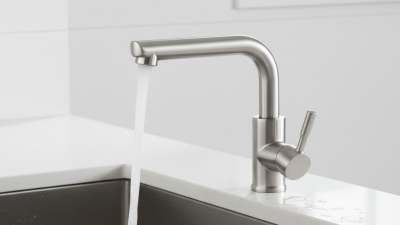
SUS304 stainless steel is valued in single cold faucets because its chromium and nickel content helps resist everyday corrosion. In a kitchen or bathroom, that matters when water droplets linger around the spout or handle. A sound 304-steel body can tolerate routine contact with water better than ordinary carbon steel. It is not rust-proof, though. Chloride-rich water, harsh cleaners, or damaged surface finishes can still cause staining or pitting.

Durability depends on more than the material label. Wall thickness, weld quality, cartridge fit, and the finish all affect how a faucet performs over time. A well-made SUS304 faucet should feel solid, with smooth handle movement and no rough seams. Still, “SUS304” alone does not confirm consistent workmanship. Check product specifications and care instructions, and look closely at the joints. This detail is easy to overlook.

Tips: Wipe the faucet dry with a soft cloth after use. Clean with mild soap and water, not bleach or abrasive pads. If orange marks appear, inspect them early; they may be deposits, but persistent spots deserve attention.

How SUS304 Composition Supports Faucet Durability

The chart compares the midpoint of the typical chromium and nickel composition ranges for stainless steel grades 201, 304, and 316, expressed as weight percentages. Grade 304 contains 18–20% chromium and 8–10.5% nickel. Chromium helps stainless steel form a protective passive layer; nickel supports corrosion resistance and toughness. These composition figures alone do not determine a faucet’s service life, which also depends on manufacturing, surface finish, water chemistry, and maintenance.

Common Designs and Features in China’s Faucet Market

China Top 10 SUS304 Stainless Steel Single Cold Faucets?

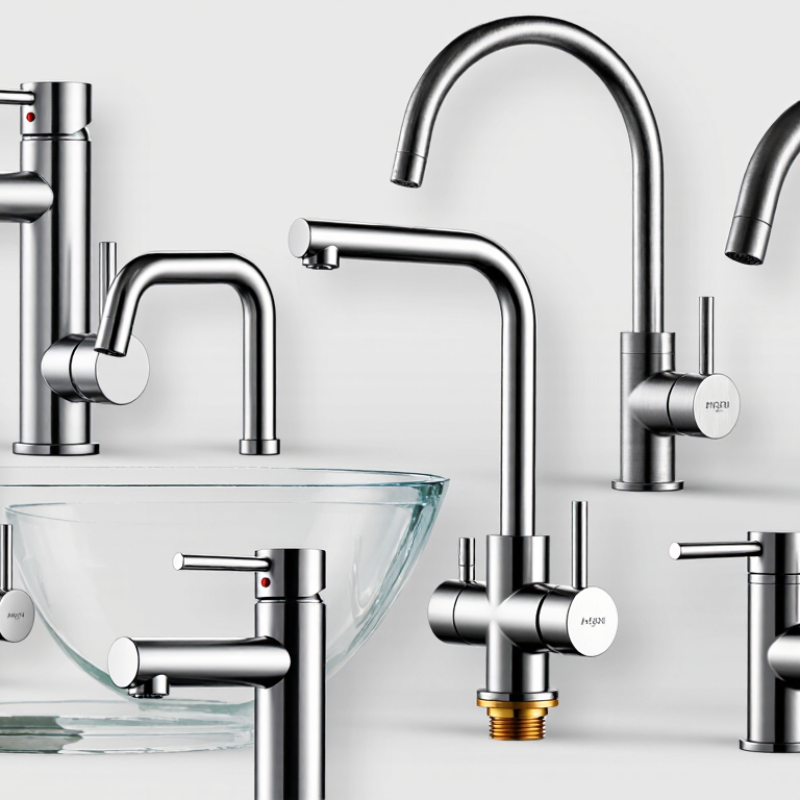
Common designs in China’s faucet market range from compact straight-spout models to taller gooseneck shapes. Deck-mounted taps suit many standard basins, while wall-mounted versions leave more counter space. Brushed steel offers a subdued finish; polished surfaces reflect more light. Matte coatings add contrast, but scratches may show more clearly over time. Simple details matter.

A single cold faucet usually has one handle or a simple turning control. Some models include a ceramic valve core for smoother operation and an aerator to soften the water stream. Check the spout reach against the basin: a short outlet can splash, while a long one may crowd a small sink. SUS304 is commonly specified for stainless-steel bodies, but appearance alone cannot confirm the material grade. Supplier documentation and clear product specifications are more useful.

Tips: Measure the mounting hole and inlet connection before ordering. Ask whether the aerator and mounting hardware are included. Compare the stated steel grade with supporting documents; a low price is not proof of poor quality, but unclear specifications deserve a second look.

China’s Top 10 SUS304 Stainless Steel Single Cold Faucets Compared

Comparing China’s top ten SUS304 stainless steel single cold faucets starts with the parts that touch water. SUS304 is valued for corrosion resistance, but a label alone does not prove the whole faucet uses this grade. Check material declarations and ask whether the body, spout, and internal waterway have separate specifications. Small details matter.

A useful comparison also considers daily handling. Look for a smooth lever with enough clearance for wet hands, a stable base, and a spout that reaches the center of the basin. A removable aerator can make cleaning easier, while a clearly stated thread size helps prevent installation surprises. Measure the sink opening before ordering. A few millimeters can change the fit.

The ten options may differ in wall thickness, cartridge design, surface finish, and inspection records. Since these faucets supply cold water only, they do not regulate temperature; that limitation should suit the intended sink. Ask suppliers for test documents, installation drawings, and warranty terms, then compare them rather than relying on product photos. Honestly, polished listings can leave gaps. For example, some do not explain whether mounting nuts or hoses are included, so confirm the package contents before purchase.

How to Select, Install, and Maintain a Single Cold Faucet

Choosing a SUS304 single cold faucet starts with checking the details, not just the finish. Compare the spout height, reach, mounting-hole size, and handle clearance with your sink. A brushed surface can hide fingerprints, but it does not prove the steel grade. Ask for material documentation and check whether the parts contacting water are also clearly specified. A low price may look attractive; unclear specifications are a reason to pause.

Before installation, turn off the water supply and place a towel inside the cabinet. Confirm that the faucet fits the existing hole and that its inlet matches your cold-water connection. Follow the supplied instructions for washers and seals; overtightening can damage fittings or make later servicing difficult. Then open the supply slowly and check beneath the sink with a dry tissue. Even a tiny leak leaves a mark.

For routine care, wipe the faucet with a soft cloth and mild soapy water. Avoid abrasive pads, which can scratch the surface, and rinse away cleaning residue. If the flow weakens, inspect the aerator for sediment and clean it according to the manufacturer’s guidance. Keep it simple. I would not assume every drip means the faucet has failed; a loose connection or worn seal may be the real cause. Regular checks help catch that early.