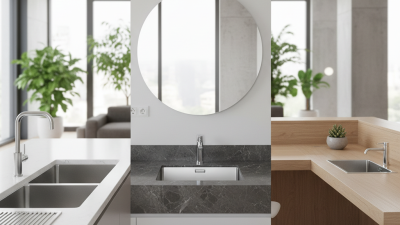
How to Choose a High Quality Stainless Steel Sink?
Choosing a High Quality Stainless Steel Sink begins with understanding how your kitchen really works. A sink may face hot pans, sharp knives, soap, food scraps, and constant water exposure every day. Its appearance matters, but performance matters more.
Licensed master plumber Ed Del Grande has offered a practical reminder: “A kitchen sink is one of the hardest-working fixtures in the home.” That view changes the buying process. Instead of judging a sink only by its shine, examine its steel grade, thickness, welding, drainage, and sound insulation. Look closely.
A reliable stainless steel sink usually uses 304-grade steel, which contains chromium and nickel for improved corrosion resistance. However, grade alone does not guarantee quality. A poorly formed bowl can still dent, vibrate, or drain slowly. Check the corners with your fingers. Tight corners look modern, but rounded corners clean more easily. Neither option is perfect.
Experience also matters during installation. Measure the cabinet, countertop opening, faucet position, and waste connection before ordering. A deep bowl may hide large cookware, yet it can strain shorter users. A thin sink may cost less, but it can sound harsh under running water. Good insulation reduces that metallic echo.
This guide will compare practical details, including gauge, finish, bowl depth, mounting style, and maintenance. It will also question common marketing claims. A beautiful sink can disappoint if it does not match your habits. The best High Quality Stainless Steel Sink is not simply the most expensive model. It is the one that remains dependable after years of ordinary, messy work.
Understanding Stainless Steel Sink Grades and Composition
How to Choose a High Quality Stainless Steel Sink?
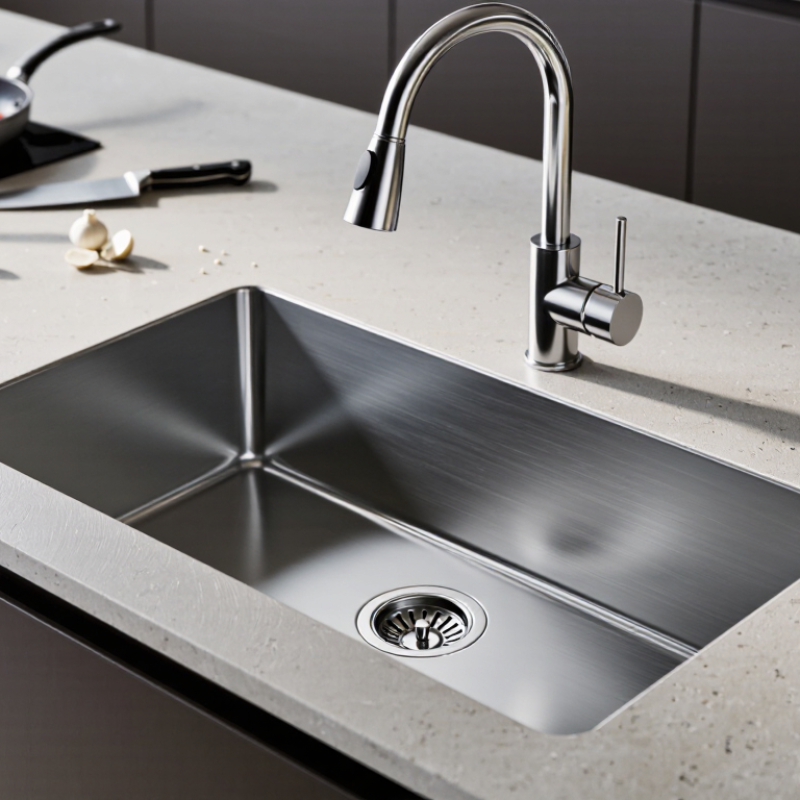
Stainless steel grade strongly affects a sink’s durability, appearance, and corrosion resistance. Grade 304 is a common choice for kitchens because it contains chromium and nickel. Chromium helps create a protective surface layer. Nickel improves toughness and gives the metal a softer, brighter finish. Grade 316 includes molybdenum, which offers better resistance in salty or chemically demanding environments. Grade 430 contains chromium but little or no nickel. It can cost less, but it usually provides lower corrosion resistance.
Tips: Check the grade, not only the shine. Ask for a material certificate when possible. A magnetic test may offer clues, but it cannot confirm the grade. Gauge also matters. A thicker sheet can reduce vibration and dents, yet thickness alone does not prove quality.
From hands-on kitchen inspections, I have found that welds, corners, and the underside deserve close attention. Smooth corners collect less residue and are easier to clean. A well-finished underside often shows careful manufacturing. I once assumed a heavier sink was automatically better. That judgment was too simple. Poor sound insulation, rough edges, or weak drainage can still reduce daily comfort. Also, “stainless” does not mean stain-proof. Harsh cleaners, standing saltwater, and metal particles may cause discoloration. Choose a verified grade and inspect the details that hands will touch every day.
Evaluating Sink Thickness, Construction, and Durability
How to Choose a High Quality Stainless Steel Sink?
Evaluating thickness is a practical starting point. Stainless steel sinks commonly use 16-, 18-, or 20-gauge steel. Lower gauge numbers usually indicate thicker material. A thicker bowl feels more stable and resists dents from heavy cookware. It can also reduce vibration when water hits the surface. However, thickness alone does not guarantee quality. A poorly formed sink may still develop weak corners or uneven edges.
Construction deserves close inspection. Look for smoothly finished rims, consistent welds, and gently rounded corners that are easy to clean. Deep bowls should have balanced slopes, allowing water to move toward the drain instead of pooling overnight. A protective coating beneath the sink can reduce condensation and noise, while secure mounting hardware helps prevent movement. Grade information also matters, but certificates and clear specifications are more reliable than vague claims. It is easy to overvalue a shiny surface. That can be misleading.
Tips:
Tap the bowl lightly and listen for excessive ringing. Check the underside for rough welds, exposed gaps, or thin-looking support areas. Compare the sink’s depth with your cabinet space and plumbing position. Leave room for insulation and maintenance access. Remember, even a thick sink may scratch, stain, or dent if handled carelessly. That is an uncomfortable detail, but durability depends on installation and daily use too.
Checking Size, Installation Style, and Kitchen Compatibility
Choosing a high-quality stainless steel sink starts with careful measurement, not appearance.
Measure cabinet width, countertop opening, bowl depth, and plumbing space. I once measured only the countertop cutout and missed the cabinet frame. That mistake made installation slower and more expensive. Leave room for mounting clips, waste pipes, and sound insulation. A sink must fit the cabinet safely.
Your installation style also affects maintenance and appearance.
An undermount sink gives the countertop a smooth, rimless surface, but it requires accurate cutting and dependable sealing. A top-mount sink can suit an existing counter and simplify replacement. Farmhouse styles may need extra cabinet support and front-panel adjustments. Check the technical sheet before ordering. Small gaps become serious problems.
Kitchen compatibility depends on daily movement.
Confirm the sink will not block a window, dishwasher, faucet, or nearby drawers. A bowl depth of 8 to 10 inches often balances capacity and comfort. Deeper bowls hold large pans, but they may strain shorter users. Think about your habits. A gently sloped base improves drainage, while rounded corners make cleaning easier. Look for corrosion-resistant stainless steel, an even finish, and strong underside reinforcement. Thicker metal can reduce vibration, though thickness alone does not guarantee quality. I prefer testing the bowl with a pan before installation. It is easy to choose beautifully. It is harder to notice an awkward fit until cooking begins.
Assessing Maintenance Needs, Certifications, and Overall Value
A high-quality stainless steel sink should fit your cleaning habits, not just your kitchen design. In daily use, food particles collect around the drain and corners. A gently curved basin makes those areas easier to rinse. Look for a smooth, even surface with no sharp polishing marks. Brushed finishes often hide light scratches, but they still need drying after use. Water spots become stubborn when minerals remain overnight.
Maintenance depends on the steel grade and your routine. Type 304 stainless steel suits most household kitchens because it resists common moisture and food acids. Type 316 may offer stronger corrosion resistance in demanding environments, though it can cost more. Avoid chlorine-based cleaners, steel wool, and rough scouring pads. Use mild soap and a soft cloth instead. I have seen well-made sinks look neglected after repeated abrasive cleaning. The material was not the only problem.
Certifications can support a safer purchase, but they require verification. Check whether the sink meets relevant standards, such as NSF/ANSI 51 for food equipment materials, where applicable. Ask for test documents, product specifications, and a clear warranty. A trustworthy supplier should explain thickness, sound insulation, drain compatibility, and installation limits. Gauge numbers alone can mislead; construction quality matters more than one measurement. Compare the full cost, including mounting parts, plumbing changes, cleaning effort, and possible repairs. A cheaper sink may become expensive when installation is difficult. Sometimes, paying more is sensible. Sometimes, it is merely polished marketing.
How to Choose a High-Quality Stainless Steel Sink?
Material composition can affect corrosion resistance and maintenance needs. The chart shows representative midpoint values from commonly specified stainless steel composition ranges; exact limits vary by product standard and manufacturer.
Selection guidance: Grade 316 contains molybdenum, which can improve resistance to chloride exposure, while Grade 304 offers a widely used balance of durability and cost. Grade 430 is magnetic and nickel-lean, but it generally requires more careful maintenance in corrosive environments. For certification and overall value, verify applicable food-contact or plumbing approvals, dimensional quality, weld finish, warranty terms, and care requirements rather than relying on grade alone.