Top High Temperature Resistant Stainless Steel Sink Options 2026?
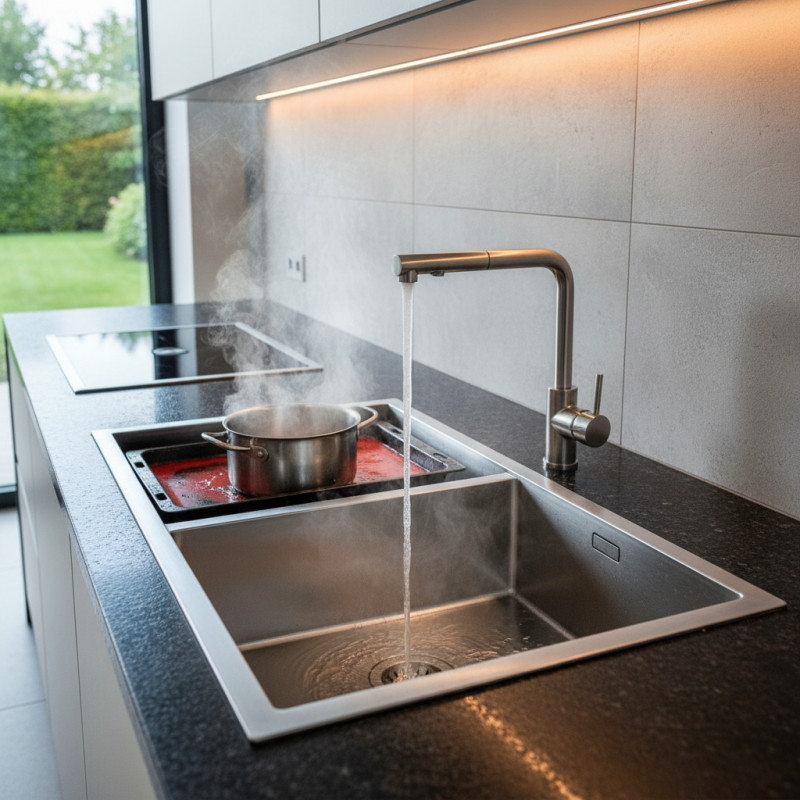
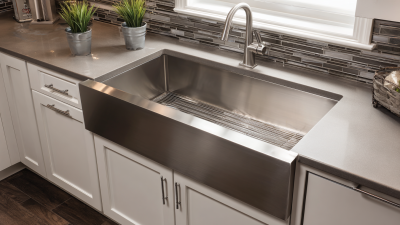
In modern kitchens, durability and resilience are paramount. Choosing a High Temperature Resistant Stainless Steel Sink can profoundly impact functionality and aesthetics. These sinks not only withstand extreme heat but also resist staining and corrosion, making them ideal for busy kitchens.
With advancements in design and materials, 2026 presents exciting options for consumers. High-quality stainless steel sinks have become more accessible. They combine practicality with style, catering to various tastes and needs. However, selecting the right sink requires careful consideration. Different brands offer varying levels of heat resistance and durability.
Knowing the true value of a High Temperature Resistant Stainless Steel Sink requires research. Consumers should explore brand reputations and seek expert recommendations. Make informed decisions that suit your lifestyle while appreciating the balance between quality and cost.
Overview of High Temperature Resistant Stainless Steel Sinks
High temperature resistant stainless steel sinks are an important addition to any kitchen. They offer durability and longevity, especially in high-heat cooking environments. Made from specialized alloys, these sinks resist warping and discoloration from heat. Features like corrosion resistance and easy cleaning enhance their appeal. Many industries, including food service and commercial kitchens, benefit from these sinks.
Tips: Consider the thickness of the steel when choosing a sink. Thicker materials offer better heat resistance and durability. Welding quality is also crucial; poorly welded seams can weaken the structure over time.
When selecting a high temperature resistant sink, pay attention to the finish. A brushed finish is less prone to scratches and visible marks. However, polished surfaces can be more attractive, yet may require more maintenance. Always think about your specific needs to make the right choice.
High temperature resistant sinks can come with challenges. They may not fit every kitchen style. Installation can also be tricky. It is essential to consult with an expert before making decisions. This ensures you invest wisely in a sink that meets your requirements.
Top High Temperature Resistant Stainless Steel Sink Options 2026
Key Features to Look for in High Temperature Resistant Sinks
When choosing a high temperature resistant stainless steel sink, several key features are critical. First, the gauge of the stainless steel matters. Thicker gauges provide better durability and resistance to warping under heat. A sink with a 16-gauge stainless steel construction is often robust enough for heavy-duty use. Look for a sink that can withstand temperatures above 500°F without damage.
Another important aspect is the finish. A brushed or polished finish not only enhances aesthetics but also adds a layer of protection against scratches. This is especially important in busy kitchens where sinks endure daily wear and tear. Anti-bacterial properties can also be beneficial, helping keep surfaces clean and safe even at high temperatures.
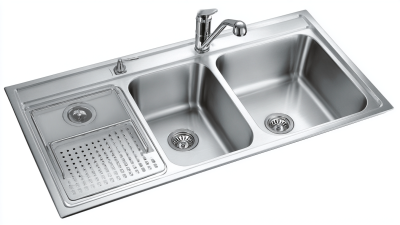
Monitoring the sink’s design is essential as well. Deep bowls may be necessary for larger cookware, while curved corners can ease cleaning. It's essential to note that despite the best materials, high-quality sinks can also develop issues over time, such as discoloration or spotting from high heat exposure. Always consider how to maintain the finish and overall look through regular cleaning and care practices.
Top High Temperature Resistant Stainless Steel Sink Options 2026
| Model |
Material |
Temperature Resistance (°C) |
Size (Inches) |
Finish Type |
Drain Size (Inches) |
| Model A |
304 Stainless Steel |
200 |
30 x 18 |
Brushed |
3 |
| Model B |
316 Stainless Steel |
250 |
33 x 22 |
Polished |
3.5 |
| Model C |
Nickel Alloy |
300 |
36 x 18 |
Satin |
4 |
| Model D |
Super Duplex Steel |
350 |
30 x 20 |
Mirror |
3 |
| Model E |
Carbon Steel |
275 |
28 x 18 |
Textured |
3 |
Top Brands in High Temperature Resistant Stainless Steel Sinks
When considering high temperature resistant stainless steel sinks, certain brands stand out for their reliability and craftsmanship. These sinks are essential for kitchens experiencing high heat. They offer durability and resistance against extreme temperatures. Ensure your selected sink can withstand these conditions over time.
Tips: Choose sinks with a thickness of at least 16 gauge. Thicker materials tend to be more resistant to damage and warping. Additionally, consider finishes that enhance resistance to heat and scratches. This can extend the lifespan of your sink.
Look for features such as sound-dampening technology. It reduces noise from pots and pans, contributing to a quieter kitchen experience. Remember, not all stainless steel is created equal, so pay attention to grades. Higher grades typically provide better resistance.
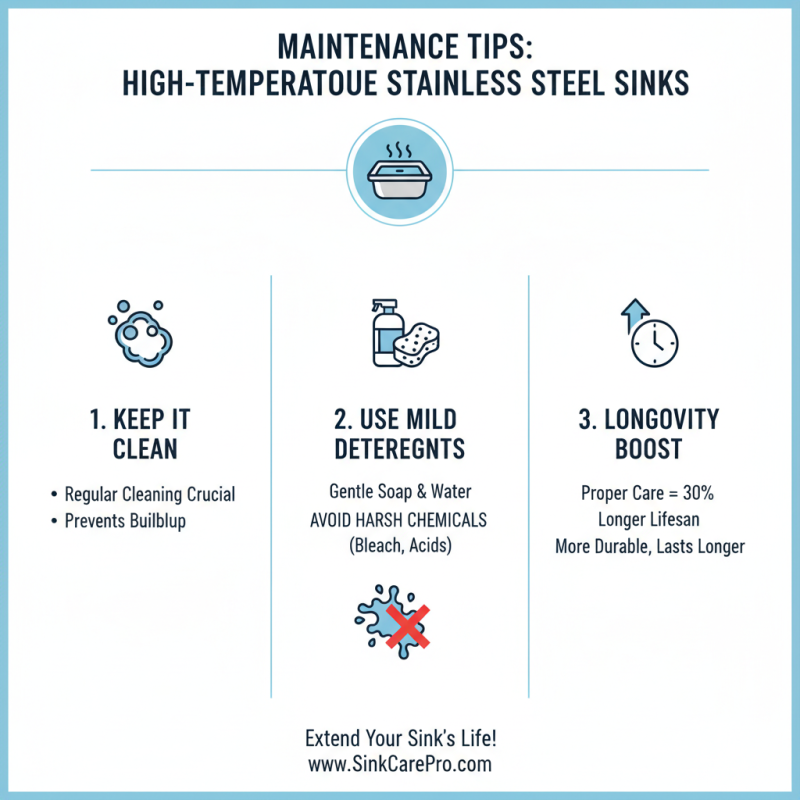
Tips: Regular maintenance is key. Clean your sink with mild detergents to prevent corrosion. Over time, neglect can lead to issues that may compromise its heat resistance. Hence, consistent care is crucial for long-term performance.
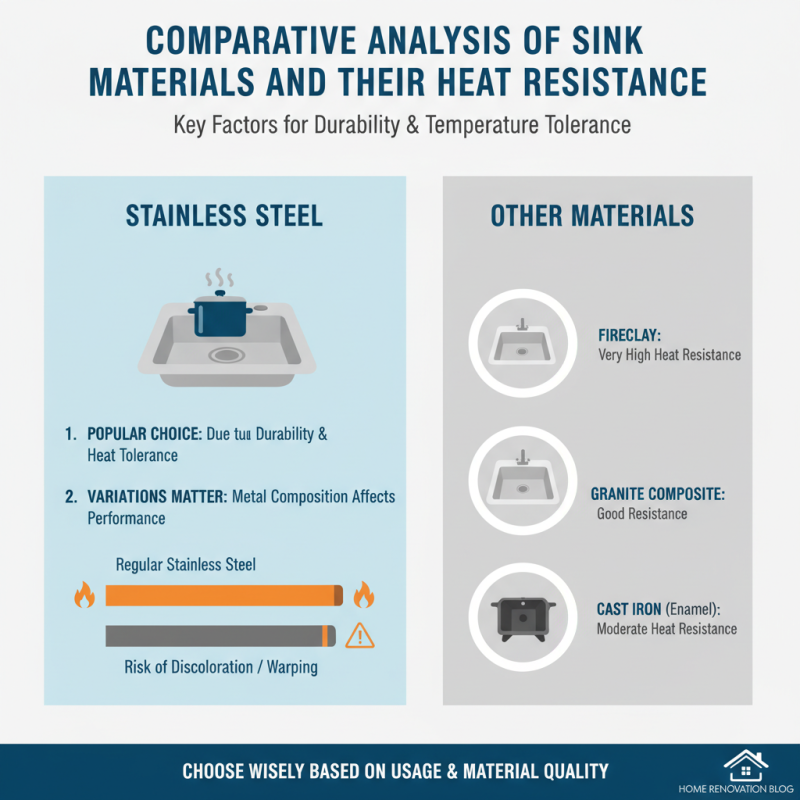
Comparative Analysis of Sink Materials and Their Heat Resistance
When selecting a sink, heat resistance plays a crucial role. Stainless steel is a popular choice due to its durability and heat resistance. However, not all stainless steel sinks are created equal. Variations in metal composition can affect their ability to withstand high temperatures. Regular stainless steel typically tolerates heat well, but prolonged exposure may lead to discoloration or warping.
Another option is cast iron sinks. These sinks can endure extreme heat but tend to be heavy and may chip easily. Moreover, their enamel coating may wear off over time, making them less effective against heat. Composite sinks, made from a blend of materials, also offer heat resistance, but their performance can vary widely based on the specific materials used in the manufacturing process.
It's important to consider your usage habits. Frequent exposure to high temperatures may strain your sink's material. For busy kitchens, a heat-resistant sink with proper maintenance is key. Regular cleaning and monitoring for wear and tear can extend the life of your sink, regardless of its material. The best choice will depend on your specific needs and the conditions in your kitchen.