Top 2025 Guide to Choosing the Best Stainless Steel Sink for Kitchen Bathroom Office
In today's fast-paced world, choosing the right sink for your kitchen, bathroom, or office area can significantly enhance both functionality and aesthetics. As the expert in home improvement, John Smith, a renowned designer and consultant, emphasizes, "A well-chosen Kitchen Bathroom Office Area Stainless Steel Sink can transform the space while ensuring durability and style." With the increasing popularity of stainless steel sinks, homeowners and business owners alike are faced with a myriad of options, each catering to specific needs and preferences.
Stainless steel sinks have gained traction for their resilience, ease of maintenance, and modern appeal, making them an ideal choice for various environments. Whether you are renovating your kitchen, updating your bathroom, or outfitting your office, understanding the essential features and styles available will help you make an informed decision. From size and shape to gauge and installation type, the right choice can significantly impact the overall design and functionality of your space. With this comprehensive guide for 2025, you'll be equipped with all the necessary information to select the best Kitchen Bathroom Office Area Stainless Steel Sink that aligns with your vision and requirements, ensuring a sleek yet practical addition to your environment.
Understanding Stainless Steel Grades: A Key to Durability and Performance
When choosing a stainless steel sink for your kitchen, bathroom, or office, understanding the different grades of stainless steel is crucial for ensuring durability and performance. Stainless steel is categorized into various grades, primarily based on its composition, which affects characteristics such as corrosion resistance, strength, and overall maintenance. The most common grades used for sinks include 304 and 316, with 304 being the most popular choice due to its excellent corrosion resistance and low maintenance requirements.
Grade 304 stainless steel, also known as 18/8 stainless steel, contains 18% chromium and 8% nickel, which provide a good balance of durability and aesthetic appeal. This grade is suitable for most residential applications and is known for its resistance to rust and stain. For environments exposed to harsher conditions, such as coastal areas, grade 316 stainless steel may be ideal. It includes molybdenum, which enhances its resistance to pitting and corrosion from chlorides, making it a superior choice for commercial kitchens and outdoor settings.
Understanding these differences not only aids in selecting the right sink for your needs but also ensures longevity and satisfactory performance. Considering the material grade can ultimately save you time and money by reducing the frequency of replacements and repairs, allowing you to enjoy your space with peace of mind.
Understanding Stainless Steel Grades for Sinks
This chart displays the corrosion resistance percentage of various stainless steel grades commonly used for sinks, emphasizing the importance of selecting the right grade for optimal durability and performance.
Top Features to Look for in Stainless Steel Sinks for Different Uses
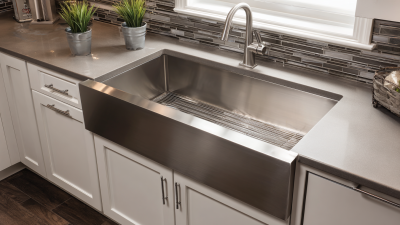
When selecting a stainless steel sink for diverse environments like the kitchen, bathroom, or office, several key features should be top of mind. For kitchens, deep basins are essential for accommodating large pots and intricate meal preparations. Additionally, a brushed finish can help hide scratches while offering a sleek aesthetic. Look for sound dampening features as well, as they can significantly reduce noise from running water and dishes.
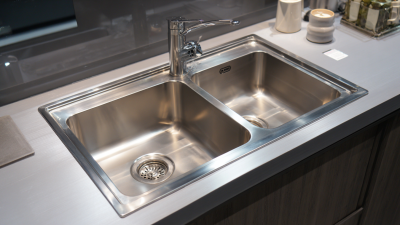
In bathrooms, compact sinks tend to be more useful, often featuring a smaller footprint to fit snugly on countertops. Drain placement is another crucial factor, as it should be designed to facilitate easy drainage and cleaning of the sink area. Choosing a model with a high-quality faucet installation can also enhance functionality. For office use, a simple, elegant design paired with easy-to-clean surfaces is important, as it promotes a professional atmosphere while ensuring hygiene is maintained without excessive effort.
Comparative Analysis: Cost vs. Quality in Stainless Steel Sink Options
When selecting a stainless steel sink for your kitchen, bathroom, or office, a critical consideration is the balance between cost and quality. Stainless steel sinks are available in various price ranges, influenced by factors such as thickness, finish, and construction methods. For instance, sinks made from higher gauge steel tend to be more durable and resistant to dents and scratches, ultimately offering better long-term value despite their higher upfront cost. Conversely, lower gauge options may be more affordable initially, but they often compromise on durability and may require replacement sooner, which can lead to increased overall expenses.
Another aspect to consider is the finish of the sink. While polished finishes provide a sleek look and are easier to clean, they can showcase scratches more prominently. Brushed finishes, on the other hand, tend to hide wear and tear while offering a muted aesthetic. As buyers weigh these options, it’s important to look beyond the initial price tag and evaluate the total cost of ownership, including maintenance and lifespan. By understanding the trade-offs between cost and quality, consumers can make an informed decision that aligns with their budget and needs while ensuring they invest in a reliable and aesthetically pleasing sink.
Maintenance Tips for Longevity: Caring for Your Stainless Steel Sink
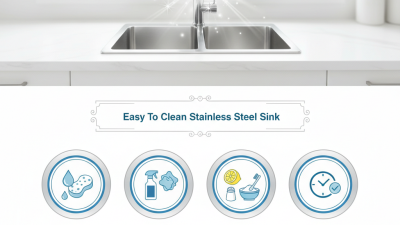
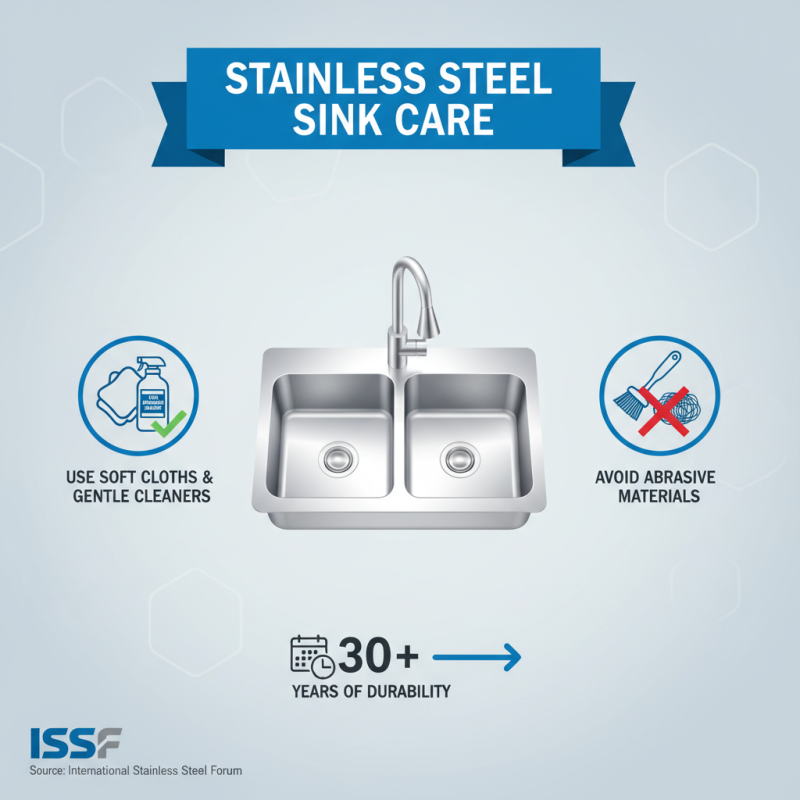
Maintaining a stainless steel sink is essential for ensuring its longevity and preserving its aesthetic appeal. According to the International Stainless Steel Forum, stainless steel sinks can last over 30 years when properly cared for. To achieve this durability, it is critical to employ regular cleaning practices that avoid abrasive materials. Instead, soft cloths and non-abrasive cleaners should be used to prevent scratching and maintain the sink's shine.
Another key aspect of care involves addressing water spots and mineral deposits that can accumulate over time. A solution of vinegar and water is effective in removing these residues without damaging the sink's surface. Industry data suggests that simply drying your sink after each use can significantly reduce the occurrence of these spots, further contributing to its maintenance. Additionally, periodic oiling of the sink with mineral oil can help protect against rust and enhance its luster, creating a barrier against corrosive elements commonly found in kitchens and bathrooms. By following these maintenance tips, users can enjoy their stainless steel sinks for years to come, maximizing both functionality and beauty.
Trends in Sink Design: Aesthetic and Functional Innovations for 2025
As we move into 2025, sink design is evolving dramatically, embracing both aesthetic appeal and functional innovations that cater to modern lifestyles. The emphasis on minimalism continues to shape the visual aspects of sinks, with sleek lines and integrated features becoming more common. Designers are experimenting with varied finishes, from brushed to polished stainless steel, enabling homeowners to find options that complement their interior décor seamlessly. Additionally, color accents and mixed materials are emerging as trends, allowing for greater personalization and enhancing the visual interest in kitchens and bathrooms alike.
Functionality is also at the forefront of these design innovations, with features aimed at improving usability and efficiency. Smart technology integration is revolutionizing sink capabilities, offering touchless faucets, built-in sensors for water temperature control, and even app compatibility for customized settings. Furthermore, innovative designs that include multi-functional elements—such as integrated cutting boards, drying racks, and waste sorting features—provide added convenience while maximizing space. These advancements not only enhance the overall user experience but also promote sustainability and ease of maintenance, making modern sinks a perfect blend of form and function for any space.