10 Essential Tips for Choosing a Sus304 Stainless Steel Kitchen Faucet?
Choosing the right kitchen faucet is crucial for functionality and aesthetics. A Sus304 Stainless Steel Kitchen Faucet stands out for its durability and resistance to corrosion. When selecting a faucet, you want to ensure it meets your kitchen needs while complementing your overall design.
Understanding different materials is essential. Sus304 stainless steel is known for its longevity, making it a popular choice among homeowners. Yet, not all faucets labeled as such are created equal. Some may lack the quality finishes or functional designs you expect.
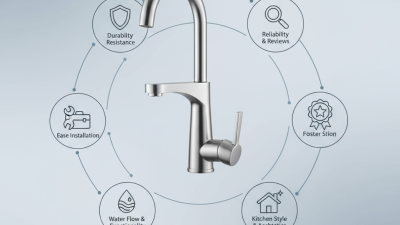
Considerations vary, and every choice impacts your kitchen environment. The right faucet can enhance your cooking space while ensuring ease of use. However, it's vital to research and compare options before making a purchase. Reflect on what features matter to you: style, height, or ease of installation. Each detail plays a role in your satisfaction with the final decision.
Factors Influencing the Quality of Sus304 Stainless Steel in Faucets
When choosing a SUS304 stainless steel kitchen faucet, several factors influence its quality. The composition of the stainless steel plays a crucial role. SUS304, known for its corrosion resistance, typically contains 18% chromium and 8% nickel. This combination allows the material to withstand moisture and prevent rust. However, not all faucets labeled as SUS304 are equal. Manufacturers may use lower quality components that can compromise durability.
Another important aspect is the manufacturing process. High-quality faucets are often produced through advanced techniques like cold forging or precision casting. These methods enhance the strength and finish of the faucet. In contrast, cheaper options might employ shortcuts, leading to rough edges or poor fittings. It's beneficial to inspect the faucet closely, checking for a smooth surface and uniformity.
While selecting a faucet, consider the surface treatment as well. Faucets with brushed or polished finishes not only look appealing but can also resist fingerprints and water spots. A slight imperfection in the finish may indicate a lower-quality product. Lastly, pay attention to the warranty period; a longer warranty often reflects manufacturer confidence in their product's quality.
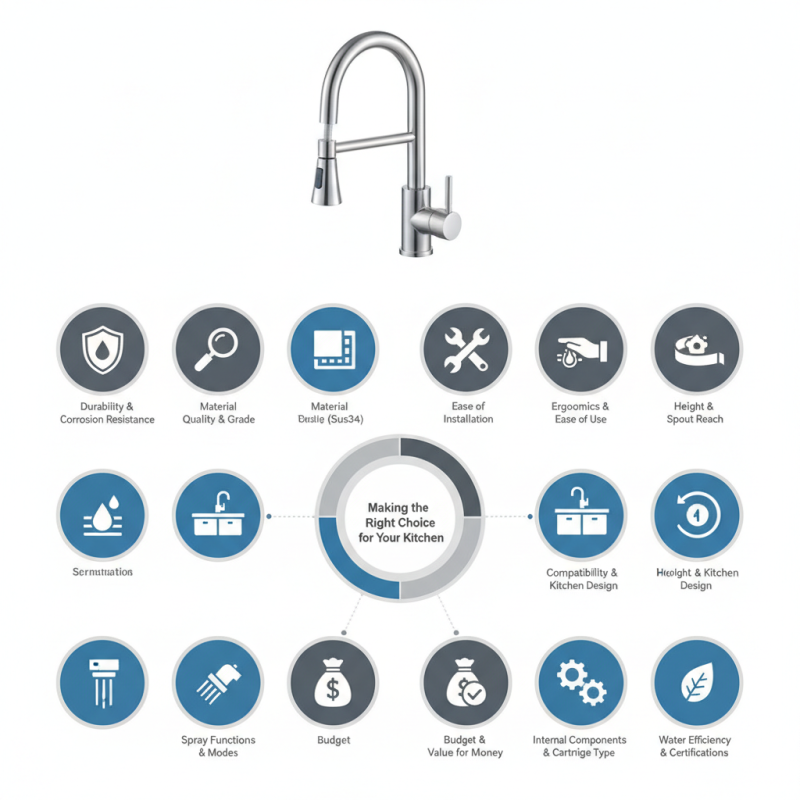
10 Essential Tips for Choosing a Sus304 Stainless Steel Kitchen Faucet
| Tip |
Description |
Considerations |
| Material Quality |
Ensure the faucet is made from high-grade Sus304 stainless steel for durability. |
Look for certifications or quality marks. |
| Finish Type |
Select a finish that is easy to clean and resistant to stains. |
Polished, brushed, or matte finishes available. |
| Design |
Choose a design that complements your kitchen style. |
Consider modern vs traditional aesthetics. |
| Spout Height |
Evaluate the spout height for ease of use in filling pots or washing large items. |
High spouts are ideal for larger sinks. |
| Water Pressure |
Check compatibility with your home's water pressure. |
Low pressure may require special designs. |
| Ease of Installation |
Select faucets that are easy to install, preferably with a DIY option. |
Check if tools are included or required. |
| Warranty |
A longer warranty indicates better manufacturer confidence. |
Look for at least a 5-year warranty. |
| Price Range |
Determine your budget based on the features and quality. |
Balance cost with desired functionality. |
| Brand Reputation |
Research brands that are known for quality kitchen faucets. |
Look for customer reviews and ratings. |
| Functionality |
Consider whether you want a single or double handle for convenience. |
Look for features like pull-down sprayers or soap dispensers. |
Understanding the Corrosion Resistance Ratings of Sus304 Stainless Steel
When selecting a SUS304 stainless steel kitchen faucet, understanding corrosion resistance is crucial. SUS304 stainless steel boasts excellent resistance to rust and corrosion. This makes it a preferred choice for kitchens where moisture is a constant factor. However, not all SUS304 faucets are created equal.
Inspect the corrosion resistance rating of the faucet. A higher rating signifies better protection against rust and staining. Be wary of low-quality models that may corrode quickly. Choose a faucet with a smooth surface finish. This minimizes the areas where moisture can accumulate, aiding longevity. Look for models that specify a PVD or brushed finish; these are typically more resistant.
When considering your options, evaluate the faucet's weight. Heavier faucets often indicate higher quality construction. Pay attention to warranty details; they can signify the manufacturer’s confidence. Seek advice from industry experts if unsure. Remember, while SUS304 offers remarkable durability, factors like water quality and maintenance also play significant roles in overall performance. Avoid rushing into a purchase; take your time to ensure you make an informed choice.
Comparative Analysis: Sus304 vs. Other Stainless Steel Grades in Kitchens
When choosing a kitchen faucet, it's crucial to understand the differences between SUS304 stainless steel and other grades. SUS304, known for its excellent corrosion resistance, is widely preferred in kitchens. According to industry reports, it contains 18% chromium and 8% nickel, which enhances its durability. However, in high-salt environments, even SUS304 can corrode over time. This is where proper maintenance becomes essential.
In contrast, SUS316 stainless steel offers superior resistance to coastal damage. This grade contains molybdenum, making it ideal for humid or marine environments. However, SUS316 may not be necessary for standard kitchen use, where SUS304 usually suffices. Some users may assume that a higher grade guarantees better performance. Yet, often, it is the design and features that matter more than material alone.
Choosing the right faucet also depends on the installation environment. The kitchen's humidity level and exposure to elements can affect longevity. For instance, even with high-grade stainless steel, poor maintenance can lead to rust development. Reflecting on these factors is critical for ensuring a long-lasting kitchen faucet.
Comparative Analysis of SUS304 Stainless Steel vs. Other Stainless Steel Grades in Kitchen Faucets
Importance of Faucet Design and Functionality in Durability
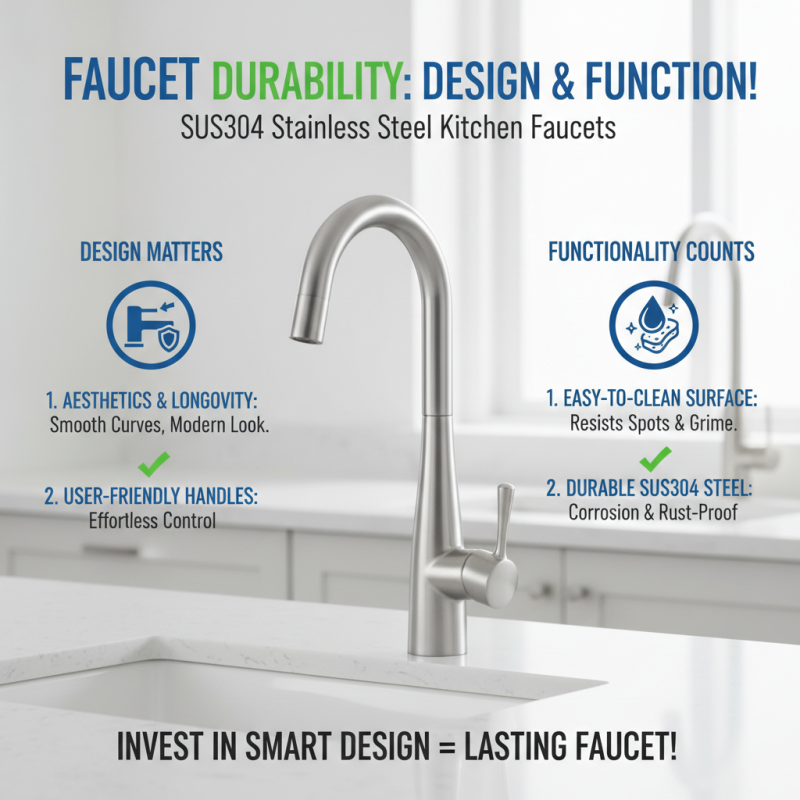
When selecting a SUS304 stainless steel kitchen faucet, design and functionality play crucial roles in its durability. A well-designed faucet not only accentuates the kitchen aesthetics but also contributes to its longevity. Look for models with smooth curves and user-friendly handles. While a stylish exterior is important, practical aspects like easy-to-clean surfaces should not be overlooked.
Choosing a faucet that withstands daily use is essential. Inspect fixtures for solid construction and reliable mechanisms. Functional features, such as adjustable spray modes or pull-down sprayers, enhance usability. Consider if the faucet design enables ease of installation and maintenance, as these factors impact long-term performance.
Opt for faucets with high corrosion resistance, especially in moist environments. Finishes that resist scratching and tarnishing will keep the faucet looking great. However, not all designs balance beauty with strength effectively. Some may look appealing but fail in functionality when under strain. Reflection on these aspects can lead to wiser choices, ensuring your kitchen faucet remains a stylish and dependable kitchen companion.
Evaluating Cost-Effectiveness and Long-term Performance of Faucets
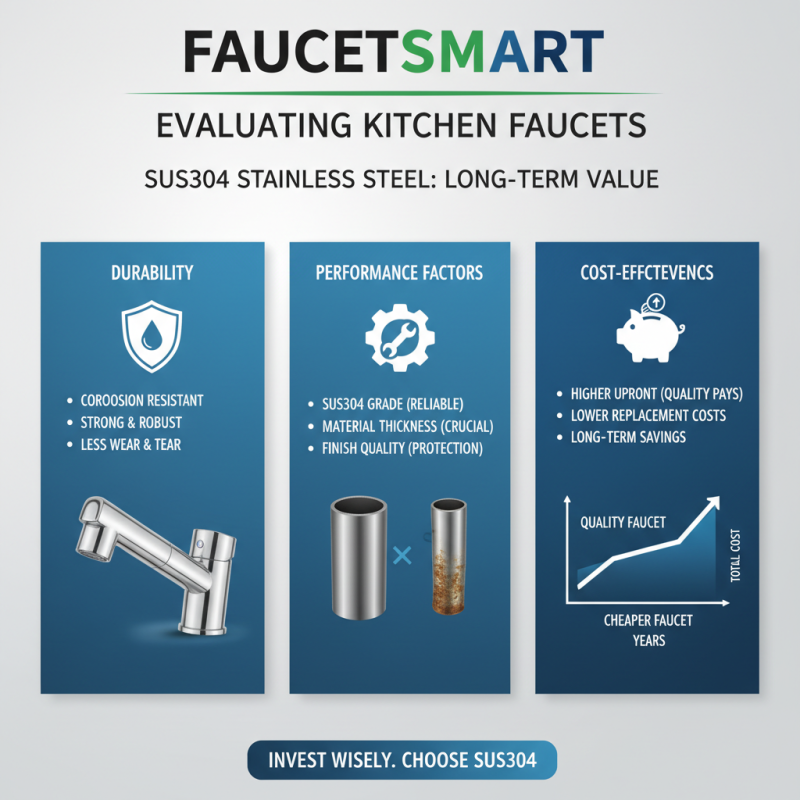
When evaluating cost-effectiveness and long-term performance of SUS304 stainless steel kitchen faucets, several factors come into play. Stainless steel is known for its durability and resistance to corrosion. However, not all stainless steel faucets are created equal. The grade of stainless steel matters a lot. SUS304 is widely regarded as a reliable choice, but even within this category, the thickness and finish can vary significantly. Thinner models may save money upfront but could lead to rust and wear over time, raising replacement costs.
Consider the long-term implications of your purchase. A seemingly cheaper faucet might fail in just a couple of years. This can lead to additional expenses in repairs or replacements. On the other hand, investing in a high-quality faucet may seem pricier initially but often saves money in the long run. Look for warranties and customer reviews. These serve as indicators of a faucet’s performance over time. It can also be helpful to consult a plumbing expert for insights into the best choices available.
While many faucets claim to be durable, reality can differ. Some buyers report dissatisfaction with cheaper models, which develop leaks or finish damage. This emphasizes the importance of thorough research. Choosing a kitchen faucet requires balancing cost with expected lifespan and utility. Taking the time to assess both upfront costs and long-term benefits is essential in making a smart investment.