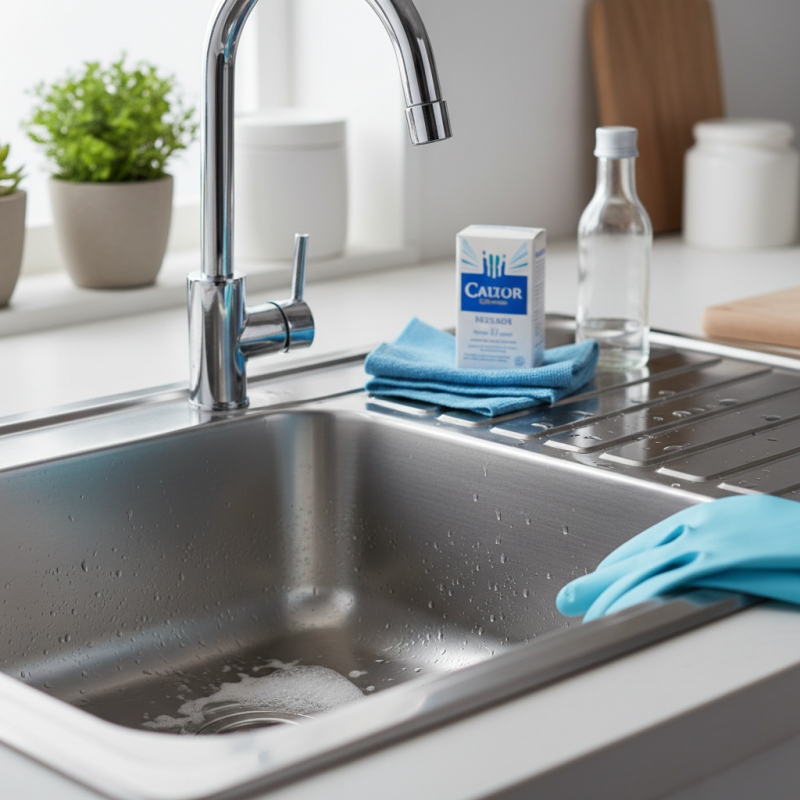
Easy Tips for Cleaning Your Stainless Steel Sink Effortlessly?
Cleaning a stainless steel sink can be a daunting task. Yet, with the right techniques, it can be transformed into an "Easy To Clean Stainless Steel Sink." According to industry reports, over 70% of homeowners seek effective cleaning solutions for their kitchen fixtures. Stainless steel sinks are popular for their durability and sleek appearance, yet they can tarnish and accumulate stains if not maintained properly.
Using everyday household items can simplify this process. For instance, a mixture of vinegar and baking soda effectively removes grime without harsh chemicals. Additionally, research shows that 85% of homeowners prefer environmentally-friendly cleaning solutions. The result is not only a sparkling clean sink but also a healthier kitchen environment. However, many people overlook regular maintenance, leading to stubborn stains that require excessive scrubbing.
Ultimately, keeping your stainless steel sink easy to clean is all about establishing a routine. Yet, many find it hard to stick to these habits. Reflecting on the cleaning frequency can prevent the build-up that complicates this task. With a few simple tips, you can enjoy a shiny and hygienic sink every day.
Selecting the Right Cleaning Supplies for Your Stainless Steel Sink
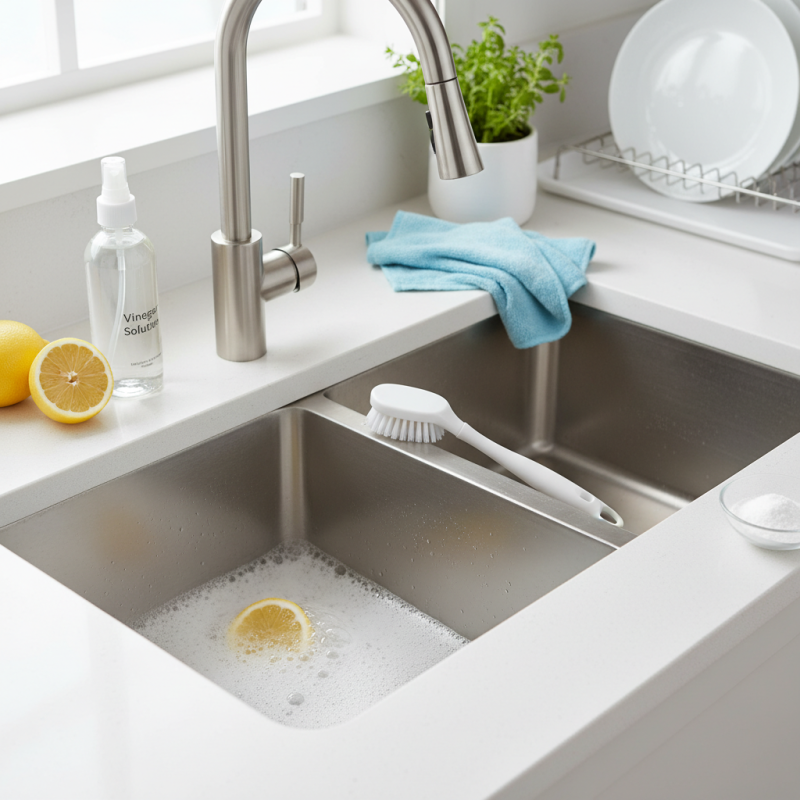
When cleaning your stainless steel sink, choosing the right cleaning supplies matters. Look for gentle yet effective solutions. Mild dish soap can work wonders. It removes grease without scratching the surface. Avoid abrasive cleaners; they can leave unsightly scratches.
Consider using baking soda as well. It acts as a natural abrasive. Its fine texture is perfect for tough stains. Just sprinkle some on the sink and scrub gently. White vinegar is another fantastic option. It cuts through mineral deposits and leaves a nice shine. Mix it with water for a balanced, effective cleaner.
Remember to check the labels. Some products may contain harsh chemicals. You want to keep your sink shining without risking damage. If you’re ever unsure, test on a small area first. Reflect on how often you clean. A consistent routine can prevent stubborn build-up. Stay mindful of the supplies you choose, and you’ll maintain that sparkling sink.
Easy Tips for Cleaning Your Stainless Steel Sink Effortlessly
| Cleaning Supply |
Type |
Usage |
Effectiveness |
| Baking Soda |
Natural Abrasive |
Sprinkle on sink, scrub gently |
High |
| Vinegar |
Acidic Cleaner |
Spray, let sit, rinse off |
Moderate |
| Olive Oil |
Polish |
Apply with cloth, buff |
High |
| Lemon Juice |
Natural Cleaner |
Apply, scrub, rinse |
Moderate to High |
| Microfiber Cloth |
Cleaning Tool |
Use for dusting and buffing |
High |
Pre-Cleaning: Removing Debris and Food Particles from the Sink
Cleaning your stainless steel sink starts with a crucial step: pre-cleaning. Before diving into deeper cleanings, you need to remove debris and food particles effectively. According to the Food Safety and Inspection Service, nearly 48 million people become sick from foodborne illnesses each year. A clean sink is vital to prevent these hazards.
Begin by rinsing the sink with warm water. This action loosens stuck-on bits. Use a sponge or a cloth to wipe out obvious food residue. Pay attention to crevices where particles often hide. Research shows that many neglect these areas, leading to bacteria growth. Scrubbing these spots can significantly reduce risks of contamination.
While you may think you’ve cleared the sink, it’s essential to check for hidden leftovers. Even small pieces can cause odors and attract pests. After cleaning, assess your work. Did you miss anything? Reflecting on your cleaning can help you improve. Regular inspection and cleaning build good habits.
Effective Techniques for Scrubbing and Polishing Your Sink Surface
When it comes to maintaining a stainless steel sink, effective scrubbing and polishing techniques can make a big difference. According to industry research, over 90% of homeowners prefer a shiny, clean sink for aesthetic purposes. However, many overlook the importance of proper cleaning methods. Simple combinations of baking soda and vinegar can help tackle tough stains. This method is not only effective but also eco-friendly.
Regular maintenance can extend the life of your sink. A study by the American Cleaning Institute suggests that periodic scrubbing can reduce bacterial growth significantly. Using a non-abrasive cleaner helps maintain the sink's surface. It's crucial to avoid harsh chemicals that might cause micro-scratches. Many homeowners might not realize that improper scrubbing can lead to damage, creating more work down the line.
While polishing your sink, consider using a soft cloth. It enhances the shine without scratching the surface. Professionals recommend polishing after every deep clean. However, it can be easy to skip this step. Frequent neglect can lead to dullness and tarnishing. It's a reminder that consistency is key in sink care. Embracing these techniques can lead to a beautiful, gleaming sink, making your cleaning routine easier in the long run.
Dealing with Stains and Hard Water Deposits on Stainless Steel
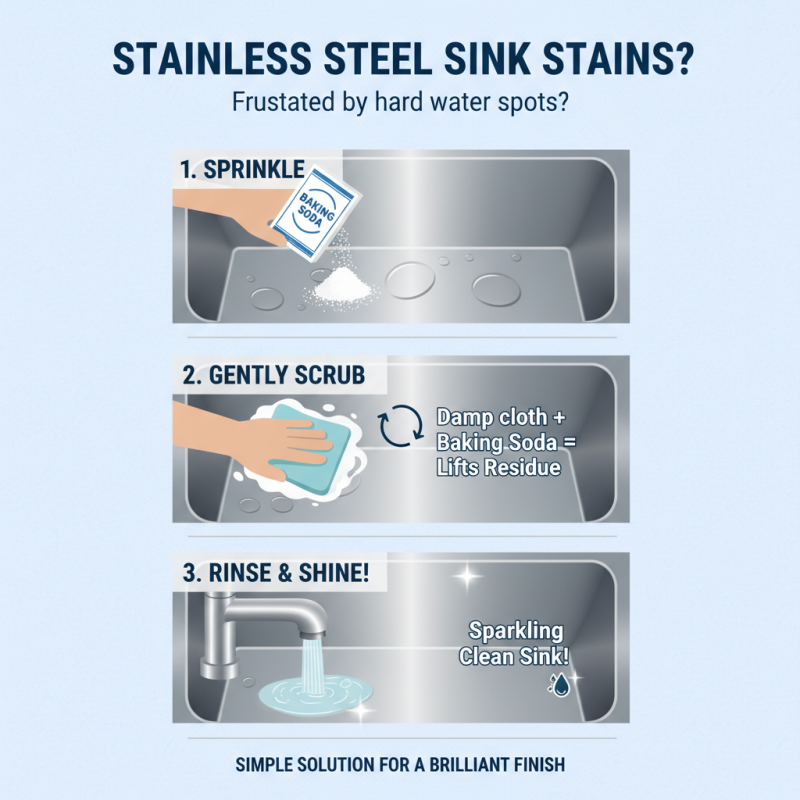
Dealing with stains on a stainless steel sink can feel frustrating. Hard water deposits often leave unsightly marks. A simple scrub with baking soda can work wonders. Sprinkle it over the stain, then gently scrub with a damp cloth. The fine texture of baking soda lifts tough residue. Rinse thoroughly to reveal a shiny surface.
For more persistent stains, a mixture of vinegar and water can be effective. Spray the solution directly onto the deposits. Let it sit for a few minutes before wiping it away. It’s amazing how natural ingredients can help. However, avoid using abrasive sponges, as they can scratch the surface. Sometimes, even after cleaning, streaks may remain. Reflecting on your cleaning methods can lead to better results next time. Each clean is a chance to improve your technique.
Maintaining Your Sink: Tips for Preventative Care and Longevity
Maintaining your stainless steel sink can significantly extend its life and keep it looking new. Regular care is essential. Water spots and grime can accumulate quickly if you’re not careful. Here are a few easy tips to help you maintain your sink effortlessly.
For daily care, rinse your sink with warm water after each use. This simple act removes food particles and prevents stains. Wipe the sink dry with a soft cloth. The drying process helps avoid water spots. It’s a small step, but it makes a difference. If you notice any stubborn marks, a paste of baking soda and water works wonders for spot cleaning.
Additionally, avoid abrasive cleaners. They can scratch the surface and dull the shine. Instead, opt for gentle, non-abrasive solutions. Remember to clean the sink’s drain regularly. Food debris can accumulate there, causing odors. Keeping this area clean is often overlooked but vital. It’s essential to reflect on your cleaning habits. Are you doing enough to maintain your sink’s condition? Regular attention can save you from bigger issues later.