How to Choose the Right Stainless Steel Sink for Kitchen Bathroom Office?
Choosing the right sink for your kitchen, bathroom, or office can seem overwhelming. A Kitchen Bathroom Office Area Stainless Steel Sink is often a preferred choice due to its durability and aesthetic appeal. Industry reports indicate that stainless steel sinks account for approximately 70% of the sink market share. Their resistance to rust and stains makes them ideal in high-use environments.
However, not all stainless steel sinks are created equal. Different grades and finishes can impact usability and appearance. For instance, a 16-gauge stainless steel sink is thicker and more durable than a 20-gauge, which might bend easily. Many buyers overlook these details, leading to dissatisfaction later. Additionally, some sinks may scratch easily, causing frustration over time.
It's also important to consider the sink's design and installation. A drop-in sink might be easier to install but less seamless than an undermount sink. Reflecting on these factors can significantly affect your decision. Carefully consider your space and usage to ensure you choose wisely. Even a slight miscalculation in your choice can lead to regrets further down the line.
Understanding Different Types of Stainless Steel Sinks Available
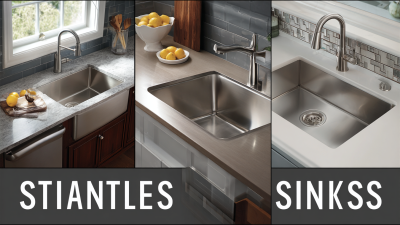
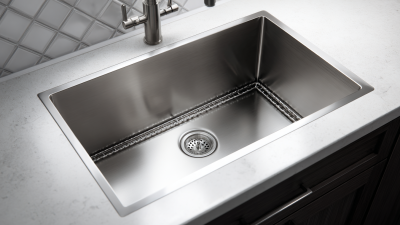
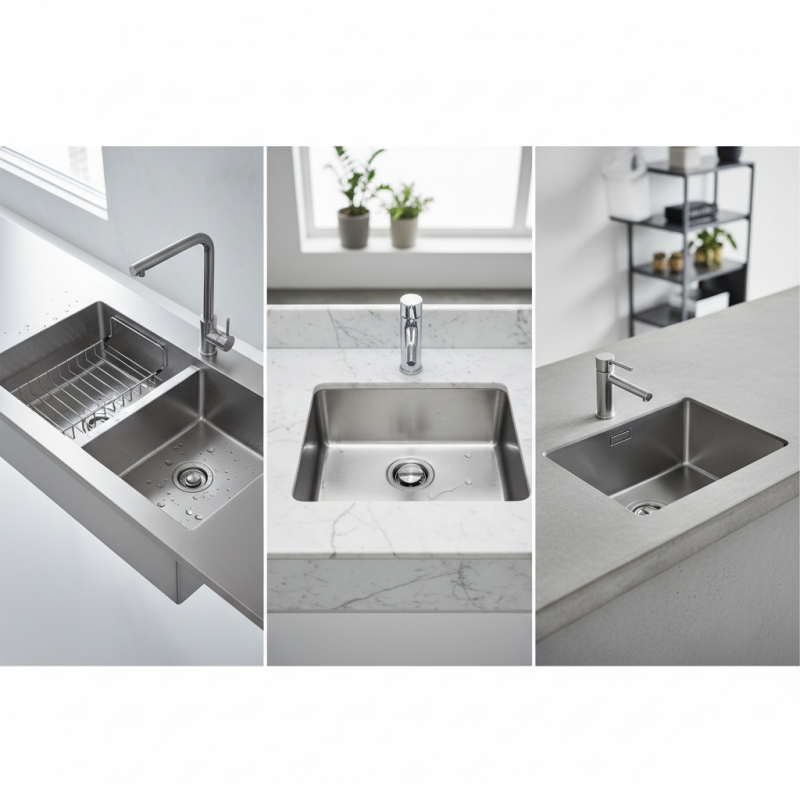
When choosing a stainless steel sink, consider the different types available. There are drop-in, undermount, and farmhouse styles. Each has its unique features. Drop-in sinks are easy to install. They sit on the countertop. This style works well in most kitchens. Undermount sinks provide a sleek look. They are mounted under the counter, making cleaning easier. However, they can be tricky to install.
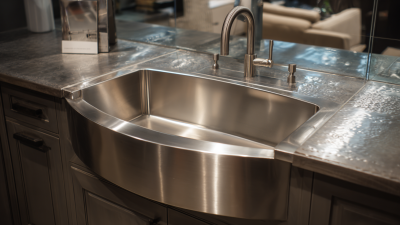
Farmhouse sinks are also popular. They have a deep basin. This is great for large pots and pans. However, their size can take extra space in your kitchen. Think about your needs. Do you cook often? How much space do you have?
**Tips:**
1. Always check the gauge of the steel. A lower gauge means thicker steel and better durability.
2. Don't overlook sink depth. Too shallow may limit functionality.
3. Consider noise reduction features. Some sinks come with soundproofing pads. This can make a difference during use.
Selecting the right sink can feel overwhelming. Reflect on your daily habits. Consider how a sink fits in your space. The right choice makes a big difference.
How to Choose the Right Stainless Steel Sink for Kitchen Bathroom Office?
| Sink Type |
Material Gauge |
Size (inches) |
Installation Type |
Best For |
| Single Bowl |
18/20 Gauge |
22x24 |
Top Mount |
Kitchens |
| Double Bowl |
18 Gauge |
32x22 |
Undermount |
Kitchens |
| Farmhouse |
16 Gauge |
33x22 |
Apron Front |
Kitchens |
| Laundry Sink |
18 Gauge |
25x22 |
Drop In |
Laundry Rooms |
| Bathroom Sink |
22 Gauge |
16x12 |
Top Mount |
Bathrooms |
Factors to Consider When Choosing a Sink for Kitchen or Bathroom
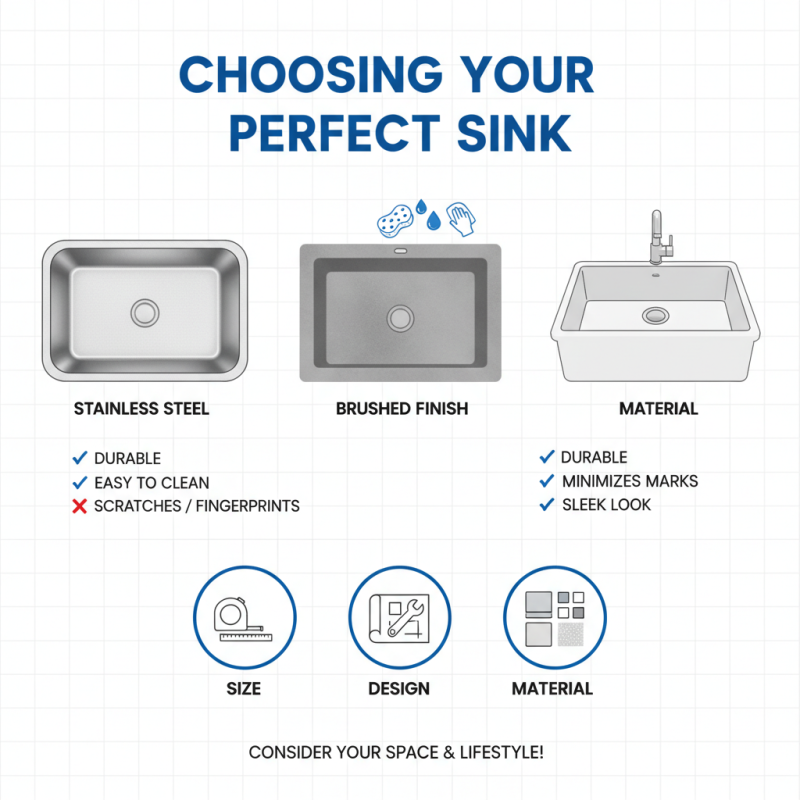
Choosing the right sink requires careful thought. Consider the material, design, and size that best fits your space. Stainless steel is durable and easy to clean. However, it can be prone to scratches and fingerprints. You might prefer a sink with a brushed finish to minimize these issues.
Next, think about the sink's design and functionality. A single bowl sink might work for a small kitchen. A double bowl can help in multitasking, especially in a busy environment. Don’t forget about depth. A deeper sink can prevent splashes but may require extra bending. Assess your comfort with the sink's height as well.
Lastly, installation matters. Undermount or drop-in installations offer different aesthetics. Check the compatibility with your countertops. It’s easy to overlook this step, but it can lead to unnecessary costs down the line. Take your time to explore all options before making a choice. A well-chosen sink can enhance the overall look and feel of your space.
Evaluating Sink Sizes and Configurations for Space Efficiency
Choosing the right stainless steel sink involves thinking about size and configuration. The sink should fit your space efficiently. Consider the layout of your kitchen or bathroom. Are you working with an island or a compact area? This will guide your decision.
Tips: Measure your available space accurately. Think about the depth and width of your sink. In smaller spaces, a single basin can be more efficient. A dual basin may look appealing but can occupy too much room.
The style of your sink matters as well. An undermount sink can create a seamless look. A drop-in sink may be easier to install. Evaluate your daily habits too. Do you wash large pots? You might need a deeper sink for that. Reflect on your choices. Sometimes, the perfect sink isn't the popular one.
Stainless Steel Sink Selection: Size and Configuration Overview
Comparing Finish Options and Their Impact on Maintenance
Choosing the right finish for stainless steel sinks greatly affects maintenance.
Brushed finishes are popular. They hide scratches well and resist fingerprints. However, they can still show water spots. Many homeowners overlook this detail. Regular cleaning is needed to maintain their appearance.
Mirror finishes stand out with their shine. They can elevate any space's elegance. Yet, they show every smudge and scratch. Cleaning these sinks might be tedious. A soft cloth and gentle cleaner are essential. Some people find it frustrating when their sink loses its shine quickly.
Lastly, the matte finish is an emerging option. It offers a unique aesthetic. This finish can resist scratches better. Still, it may require special cleaning products. Finding the right balance between style and practicality is challenging.
It’s worth considering your habits before making a choice. Do you clean often or prefer a low-maintenance option? Reflect on your lifestyle. That will lead to a smarter decision.
Assessing Budget Considerations for Quality Stainless Steel Sinks
When choosing a stainless steel sink, budget plays a critical role. High-quality options often come at a higher price. However, a lower price does not always mean poor quality. It's essential to assess the materials and craftsmanship involved. A well-constructed sink can last for years, saving you money over time.
Many factors influence the cost. Thickness of the steel is one. A sink with 16-gauge steel is sturdier than one with 20-gauge. You may spend more upfront but enjoy long-term benefits. Don’t overlook the importance of finish too. A brushed finish can hide scratches better than a polished one, which can be a wise investment for busy kitchens.
Think about the design features, too. Some sinks come with deeper basins, which can enhance functionality. This feature often means a higher price tag. Weigh your needs against your budget. While aesthetic appeal is tempting, practical needs must be priority. Sometimes the cheapest option might attract immediate savings but can lead to greater costs in the long run. Always reflect on what will truly serve your space best.