How to Choose the Best Children's Sink for Your Home?
Choosing the right Children's Sink can be challenging. According to Claire Thompson, a children's product expert, “A well-designed sink can foster independence in kids.” Parents want a sink that meets safety standards and encourages kids to wash their hands regularly.
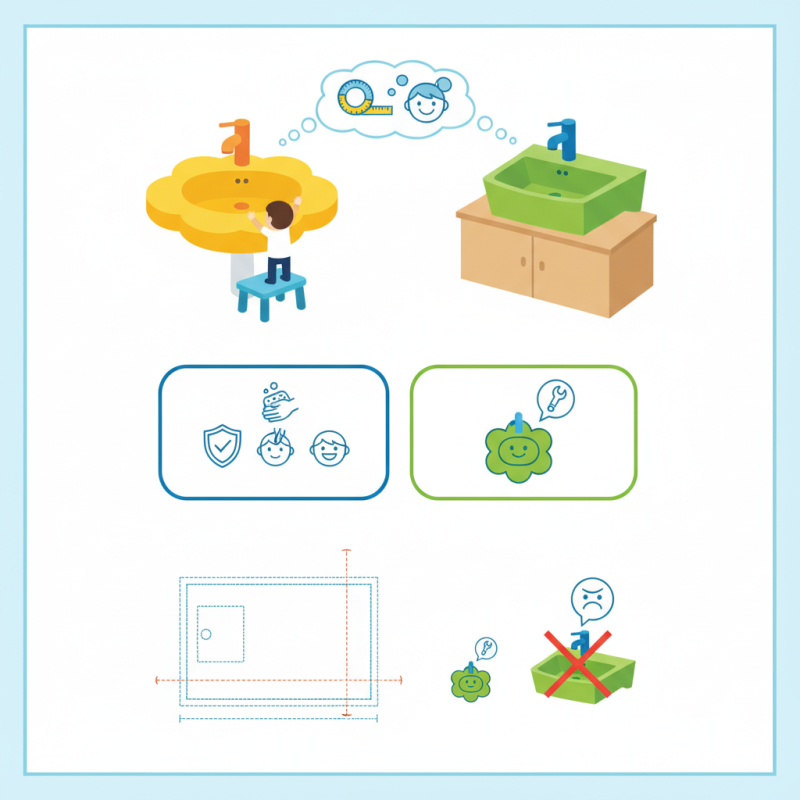
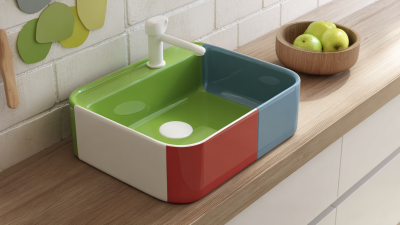
When selecting a Children's Sink, consider size and height. The sink should be easily accessible for little ones. Bright colors and fun shapes can make handwashing enjoyable. However, it’s essential to ensure that the sink is not just visually appealing but also practical. Some sinks may look great, but their functionality can be lacking.
Finally, remember that not all sinks fit every space. Measuring your area ensures a proper fit. Reflect on your child's needs too. A sink that is too large may discourage use. Finding the right balance is key to a successful experience.
Factors to Consider When Selecting a Children's Sink for Home
When selecting a children's sink for your home, several factors come into play. Your space should be a prominent consideration. According to the National Association of Home Builders, children's sinks often require specific height adjustments to fit their needs. A standard sink height may not be suitable. An adjustable or lower height can significantly enhance usability for kids.
Next, think about safety features. Reports indicate that over 25% of household injuries involve children and bathroom fixtures. Rounded edges, non-slip surfaces, and materials that reduce hot surface risks are critical. While many options meet these safety guidelines, not all do. A bit of research can ensure you find the safest choice.
Lastly, ease of cleaning is vital. Children can be messy! Materials that resist stains and are easy to wipe down will save you time. Look for finishes that can handle everyday wear and tears. While aesthetics matter, practicality should lead your decision. Balancing fun designs with functionality can be tricky, but it’s essential for long-term satisfaction.
Types of Children's Sinks Available on the Market
When choosing a children's sink, it's crucial to understand the types available. There are freestanding sinks that can be moved easily. These sinks often come in vibrant colors and fun shapes. They capture children's attention, making handwashing enjoyable. However, they may take up space in smaller bathrooms.
Wall-mounted sinks are another option. They save floor space and offer a neat appearance. These sinks can be adjusted to suit your child's height. It's a practical choice, but installation can be challenging. Not every wall supports this type of sink well.
Then, there are sink-and-cabinet combos. They provide storage for supplies, keeping everything organized. Children can easily access soap and towels. However, these can be bulky and may not fit in all rooms. Choosing the right style depends on your available space and your child’s needs. Balancing function and fun is important, yet it can be tricky. Each type has its pros and cons, and it’s vital to reflect on what works best for your home.
Materials and Durability: What to Look For in a Sink
Choosing the right materials for a children’s sink is crucial. It must be durable yet safe.
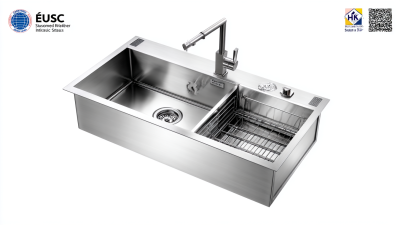
Consider sinks made from stainless steel. This material resists rust and stains.
It can withstand rough use. Another great option is ceramic. It is easy to clean and resists germs.
However, it can chip if not handled carefully.
Plastic sinks are lightweight and child-friendly. They come in fun colors and designs.
However, some plastics may not be as durable as metal or ceramic. Think about how your kids will use the sink.
Will they be rough, or are they gentler?
Evaluate the sink’s finish too. Smooth surfaces are easier to maintain.
Textured surfaces can hide scratches but might trap dirt. Look for finishes that are both appealing and functional.
It's vital to find a balance between style and practicality.
Choosing the wrong material might lead to extra costs later on.
Reflect on what will truly work for your home.
Safety Features Essential for Children's Sinks
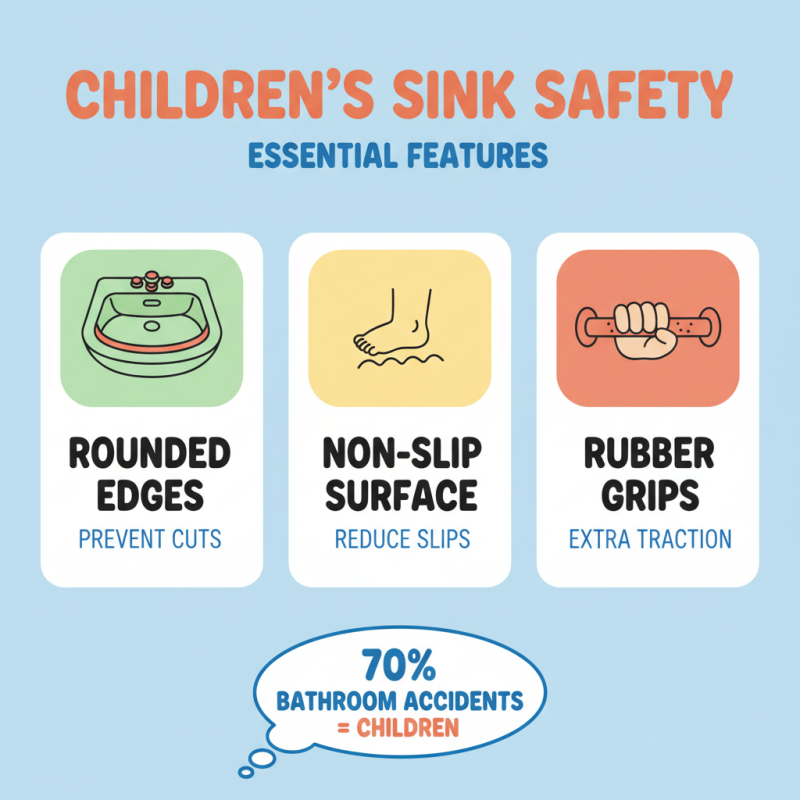
When choosing a children's sink, safety features are crucial. Many reports indicate that around 70% of home accidents involve children in bathrooms. A sink designed specifically for them needs to minimize risks. Look for rounded edges to prevent cuts. Non-slip surfaces are essential, especially in wet conditions. Children are prone to slips, and adding rubber grips can reduce this risk.
Consider height adjustments as well. A sink that is too tall can lead to children climbing or stretching, increasing the chance of falling. An ideal sink should cater to varying heights while ensuring children can easily reach the faucet. Moreover, using materials that are easy to clean and durable is vital. Over 60% of parents express concern about the hygiene of children's bathroom items. Sinks made with antimicrobial materials can address this worry often overlooked.
Incorporating temperature control features is another key aspect. Scalding water is a real danger. Reports suggest that many burns in the home occur from water that is too hot. A sink with built-in thermostatic controls can help prevent this hazard. Installing these safety features may seem like an extra step, but they are essential for creating a secure environment for children.
Placement and Installation Tips for Optimal Use
When installing a children's sink, placement is key. Choose a location where children feel comfortable. Think about their height and accessibility. A lower sink allows them to wash hands easily and fosters independence. Placing it near a play area can encourage frequent use. Proximity to a toilet may also prove helpful for potty training.
Ensure the installation is secure. A wobbly sink can cause frustration. Anchoring it properly to the wall makes it safer. Use child-friendly materials that withstand daily wear and tear. Consider the plumbing as well. Leaks can create messy situations. Regular maintenance is essential. Check for any signs of wear over time.
Make the sink enjoyable. Bright colors and fun designs attract children. A sink that feels inviting can lead to better hygiene habits. It's important to reflect on usage. If kids aren't using it, think about why. Adjust the position or design if necessary. A thoughtful setup can ultimately encourage good practices.