How to Choose Customization Stainless Steel Sink for Your Kitchen?
When it comes to designing a kitchen, the choice of sink can make or break the space. "Customization Stainless Steel Sink" has emerged as a popular option for homeowners looking to enhance both functionality and aesthetics. Renowned kitchen designer Mark T. Williams states, “A well-chosen sink can transform the entire kitchen experience.” His insight highlights the essential role of this fixture in daily tasks.
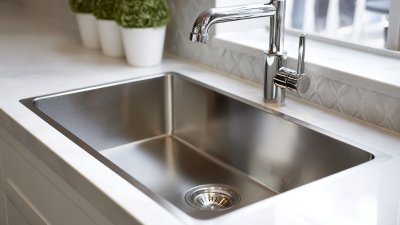
Customization allows you to match your sink to your unique kitchen layout and personal style. Want a deeper basin for washing large pots? Easy. Need a specific finish that complements your countertops? Possible. Each choice contributes to the sink's functionality and overall kitchen harmony. However, many homeowners overlook the importance of material quality and design.
Finding the right "Customization Stainless Steel Sink" isn’t always straightforward. Balancing style, durability, and price can lead to confusion. Reflecting on your choices and understanding your needs is crucial. Engage with experts, gather samples, and evaluate options carefully. This reflection can reveal the perfect sink for your kitchen transformation.
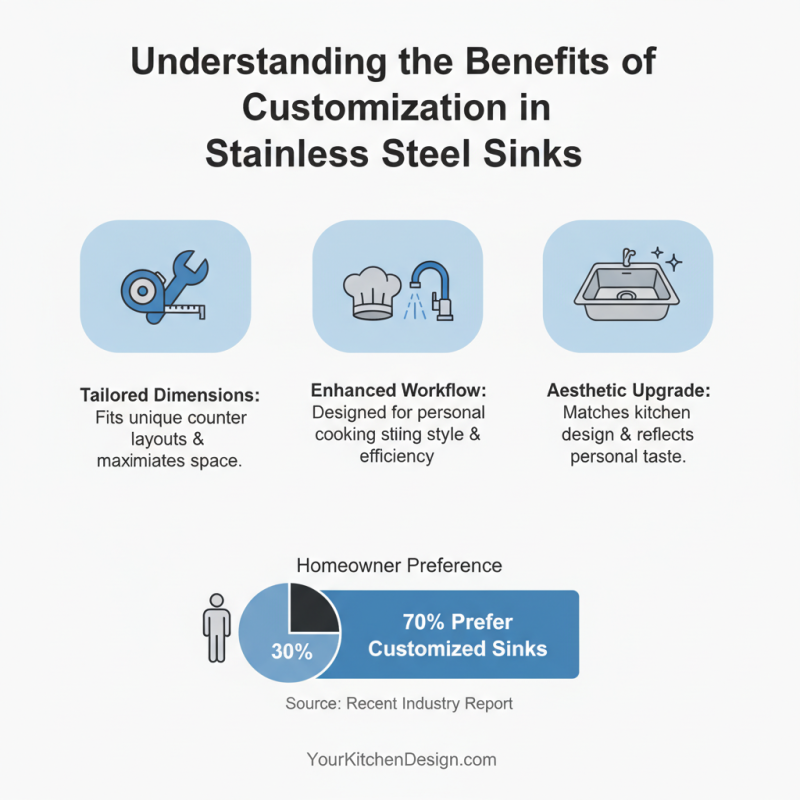
Understanding the Benefits of Customization in Stainless Steel Sinks
When it comes to kitchen design, customization plays a key role. Custom stainless steel sinks offer distinct advantages that can enhance functionality and aesthetics. According to a recent industry report, over 70% of homeowners prefer customized sinks to standard options. This preference highlights a trend towards personalized kitchen solutions. Tailoring a sink allows for specific dimensions that fit individual counter layouts and workflow preferences.
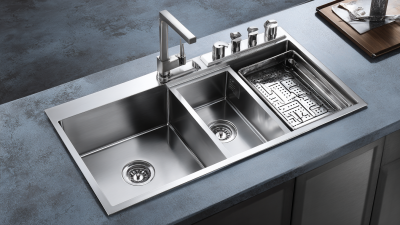
The durability of stainless steel further makes customization appealing. This material is resistant to stains, heat, and corrosion. Custom sinks can feature deeper basins or additional compartments for better organization. However, it is essential to ensure the chosen design meets practical needs, as overly elaborate configurations can complicate cleaning. Experts suggest focusing on essential features that maximize usability while maintaining elegance.
Cost is another aspect to consider. Customized sinks often carry a higher price tag, averaging 20% more than standard models. This investment can lead to long-term satisfaction. However, weighing the additional cost against the benefits is crucial. Not every unique design serves its purpose efficiently. Each decision should align with lifestyle and aesthetic goals to ensure the best outcome in kitchen renovation.
Factors to Consider When Choosing a Stainless Steel Sink for Your Kitchen
When selecting a customization stainless steel sink for your kitchen, several critical factors emerge. Quality is paramount. Look for 18-gauge stainless steel, as it resists dents and scratches better than lighter alternatives. A recent industry report indicates that high-quality stainless sinks can last up to 30 years with proper care.
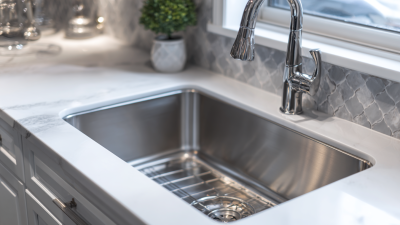
Consider the installation method. Top-mount sinks are easier to install but can trap dirt and grime under the lip. Undermount sinks provide a seamless look, but installation can be more complex. Additionally, pay attention to the sink's finish. A brushed finish can hide scratches better than a polished surface, which may show wear more easily.
Tip: Choose a model with sound-dampening features. This can reduce noise from running water and dishware. Also, consider a larger basin for washing bigger pots and pans. The average kitchen sink is around 22 inches, but larger options can be surprisingly useful.
Another aspect is the depth of the sink. A deeper sink (around 10 inches or more) allows for more flexibility. However, not everyone prefers this design. Some may find it uncomfortable to reach into deeper sinks. Take your height and usage habits into account. If you frequently wash large items, a deeper basin might be beneficial.
Factors to Consider When Choosing a Stainless Steel Sink for Your Kitchen
This bar chart illustrates the various factors consumers consider when selecting a stainless steel sink for their kitchen. The data represents a survey of kitchen renovation preferences.
Different Styles and Designs of Stainless Steel Sinks Available
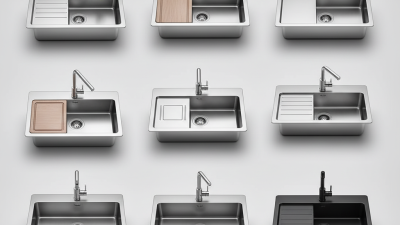
When selecting a customized stainless steel sink for your kitchen, there are various styles and designs to consider.
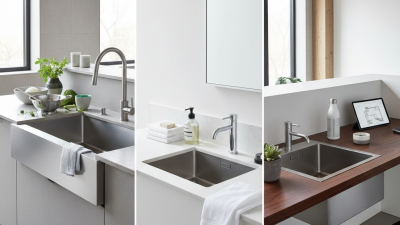
Undermount, top mount, and farmhouse sinks each offer unique aesthetics and functionality. According to industry reports, the popularity of farmhouse sinks has risen by 15% in recent years. This style combines practicality with a rustic charm, making it a favorite for modern kitchens.
The finish is also crucial. A brushed finish masks scratches while polished versions shine brightly. However, polished sinks may show water spots more easily. The gauge of the stainless steel impacts durability; choices typically range from 16 to 18 gauge. Thicker steel provides better resistance to dents.
Tips: Consider the size of your kitchen and the length of your countertop. A larger sink can be beneficial for big families, but may not fit smaller spaces aesthetically. Additionally, reflect on how you use your sink daily. Your habits—whether washing pots or prepping food—should inform your choice. Design decisions can get overwhelming. Take your time and visualize how different styles interact with your kitchen’s overall look.
Evaluating Quality and Durability of Stainless Steel for Your Sink
When choosing a stainless steel sink for your kitchen, quality and durability are crucial. Stainless steel comes in various grades, but not all are equal. Look for a sink made from 304-grade stainless steel, known for its resilience and rust resistance. This material can withstand daily use and is less prone to denting. While thicker gauges often signal better quality, even thinner sinks can be durable if made from high-quality steel.
Tips: Check for a sink with a brushed finish. It minimizes scratches and fingerprints. A sink with a sound-deadening pad can also reduce noise, enhancing your kitchen’s atmosphere.
It’s essential to consider the sink design as well. A deep basin can provide ample space for washing pots and pans. However, it may not suit every countertop height. Ensure that the design fits your workflow. Remember, while stainless steel is strong, it is not invincible. Dents can occur from heavy impacts, so handle your sink carefully. Reflect on how you use your sink daily, as this can influence your choice significantly.
Choosing Accessories and Features for Your Custom Stainless Steel Sink
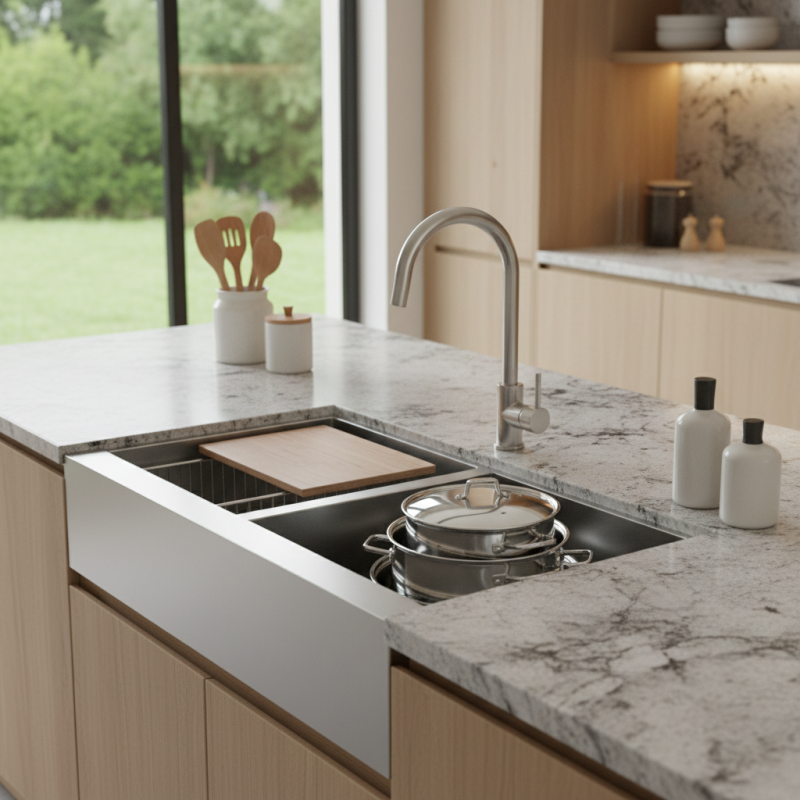
Choosing the right accessories and features for your custom stainless steel sink can significantly enhance your kitchen experience. Start by considering the layout of your kitchen. A deep sink can accommodate large cookware, but it may need specialized accessories like cutting boards or colanders. Think about how you use your sink daily. Do you wash dishes often? If yes, a built-in dish rack could be a valuable addition.
Think about the materials of the accessories too. High-quality materials enhance durability and prevent wear over time. For instance, silicone mats can protect the sink's surface while ensuring easy cleanup. You might also want to install a sink grid. This accessory allows for better drainage while keeping your sink scratch-free. If you enjoy cooking, consider adding a faucet with multiple spray options. It enhances functionality but may complicate your installation process.
Reflect on how these features impact your workflow. Complications can arise if the sink doesn’t mesh well with your kitchen style. An overly complex setup can lead to frustration. Consider simplicity and functionality as you make your choices. It's essential to find a balance that meets your needs without overwhelming the space.
How to Choose Customization Stainless Steel Sink for Your Kitchen? - Choosing Accessories and Features for Your Custom Stainless Steel Sink
| Feature |
Description |
Benefits |
| Gauge Thickness |
Refers to the stainless steel thickness, typically ranges from 14 to 20 gauge. |
Thicker gauges are more durable and resistant to dents and noise. |
| Finish Type |
Options include brushed, polished, or satin finishes. |
Finish affects the sink's appearance and ease of cleaning. |
| Bowl Configuration |
Single bowl, double bowl, or even triple bowl setups. |
Provides flexibility for different cooking and cleaning tasks. |
| Edge Style |
Includes rounded, square, or bevelled edges. |
Affects aesthetics and ease of installation. |
| Accessories |
Options include cutting boards, drying racks, and grids. |
Enhance functionality and maximize kitchen space. |
| Installation Type |
Undermount, top-mount, or farmhouse styles. |
Impacts the kitchen's design and usability. |