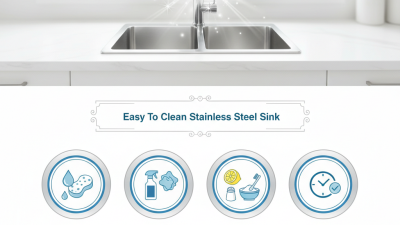
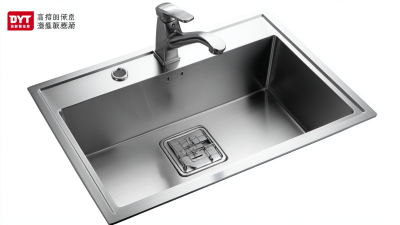
Why Choose an Easy To Clean Stainless Steel Sink for Your Kitchen?
When designing a kitchen, choosing the right sink is crucial. An Easy To Clean Stainless Steel Sink offers unmatched practicality. According to a 2021 survey by Kitchen and Bath Association, over 70% of homeowners prioritize ease of maintenance. Stainless steel sinks not only resist stains but also help prevent bacteria proliferation. They are 100% recyclable, making them eco-friendly as well.
Stainless steel sinks, typically finished with a brushed surface, hide scratches better than other materials. This feature maintains aesthetic appeal over time. However, not all stainless steel is equal. The gauge, or thickness, significantly affects durability and sound absorption. A gauge of 16 or 18 is recommended for long-lasting quality.
Despite their benefits, some users find cleaning a challenge. Stains can accumulate if not addressed promptly. Regular maintenance is still necessary to keep the sink in prime condition. In a busy kitchen, small lapses can lead to bigger issues. Choosing the right material is vital, and an Easy To Clean Stainless Steel Sink is often the best choice for efficient kitchen upkeep.
Benefits of Stainless Steel Sinks in Kitchen Environments
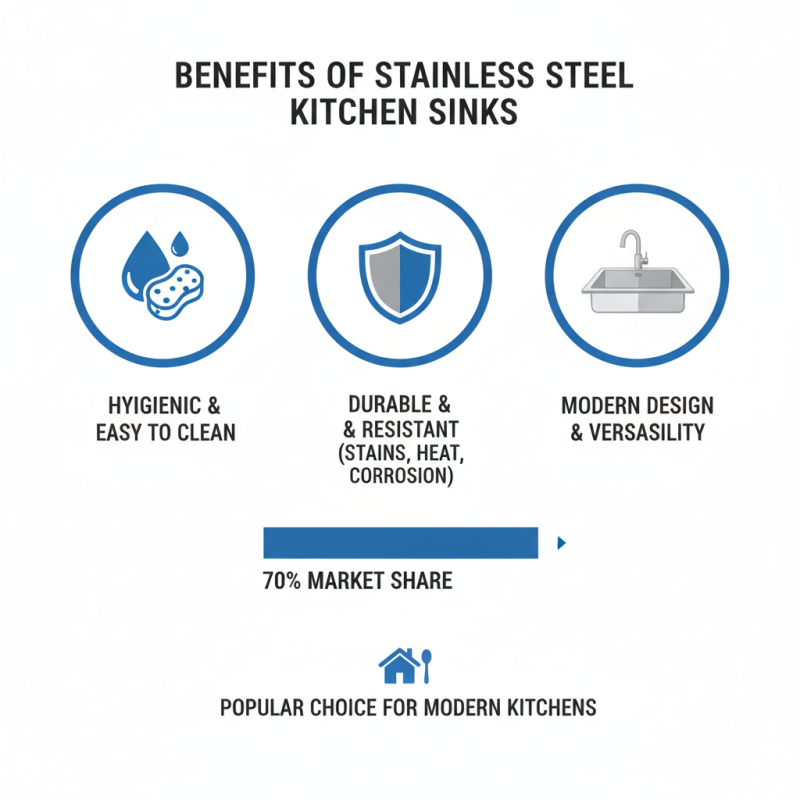
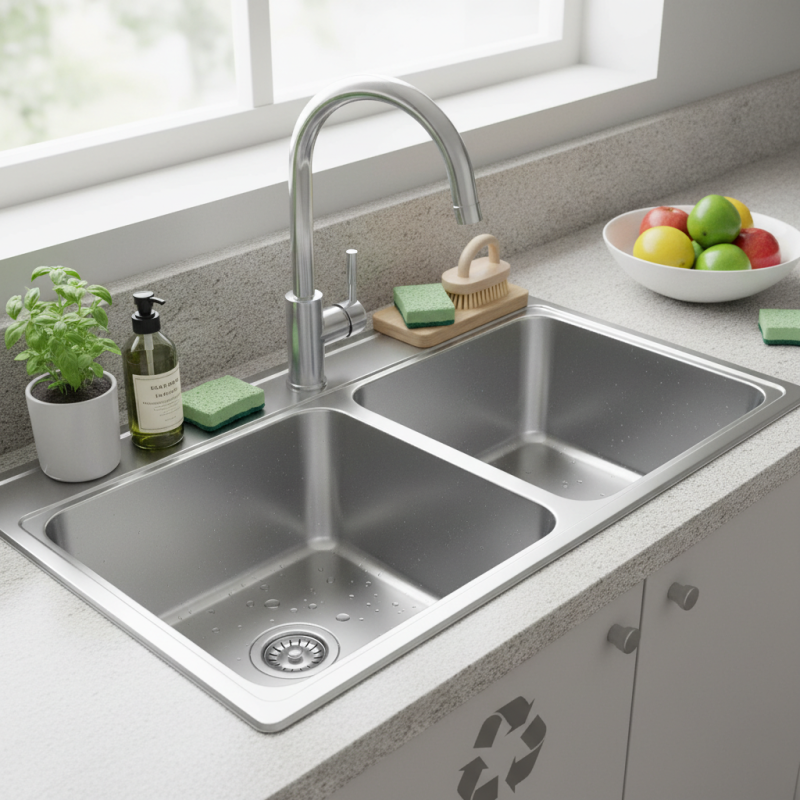
Stainless steel sinks are a popular choice for modern kitchens. Their allure lies in functionality and design. According to a recent industry report, stainless steel sinks account for about 70% of the market share in kitchen fixtures. Their sleek appearance complements various styles, from minimalist to industrial.
One key benefit is their ease of cleaning. Unlike other materials, stainless steel resists stains and odors. A simple wipe with a soft cloth and mild detergent is often enough. Professional chefs often prefer these sinks for their practicality. They know that maintaining hygiene is crucial and that stainless steel fits well into busy environments. However, some users may overlook the potential for scratches or water spots. Regular maintenance is necessary to keep the sink looking its best, which can be a minor annoyance.
Durability is another significant factor. Stainless steel can withstand high temperatures and heavy use. Data from the National Kitchen and Bath Association (NKBA) highlights that kitchens equipped with stainless steel sink systems often experience lower replacement rates. However, while they are resistant, they are not impervious to dents. Homeowners must be cautious with heavy kitchen tools. Choosing stainless steel means balancing aesthetic appeal with practical considerations.
Ease of Maintenance: Cleaning and Care for Stainless Steel
Cleaning and caring for a stainless steel sink can be straightforward, yet it requires some attention. The smooth surface of stainless steel makes it resistant to stains and odors. A simple cleaning routine can keep it looking new. Regularly wipe the sink with a damp cloth and mild detergent. This prevents the buildup of grime and food particles.
Occasionally, you may notice water spots or fingerprints. Using a mixture of vinegar and water can help. Spray it on and wipe gently. Be careful not to use abrasive sponges, as they can scratch the surface. Rinse thoroughly afterwards to maintain shine. It’s also important to dry the sink with a soft cloth to prevent water stains.
Despite its easy maintenance, some people may overlook routine cleaning. This can lead to stubborn stains that require more effort to remove. A neglected sink may not reflect the cleanliness of the kitchen. Taking a few minutes each day to care for your sink can make a significant difference. Remember, a well-maintained sink can enhance your kitchen's overall appearance.
Cleaning Frequency for Different Sink Materials
The chart above illustrates the cleaning frequency for various sink materials measured in times per week. Stainless steel sinks are notably easy to clean, requiring only twice a week, compared to ceramic and porcelain sinks, which need more frequent attention. This ease of maintenance adds to the appeal of stainless steel sinks for modern kitchens.
Durability and Longevity of Stainless Steel in Kitchen Use
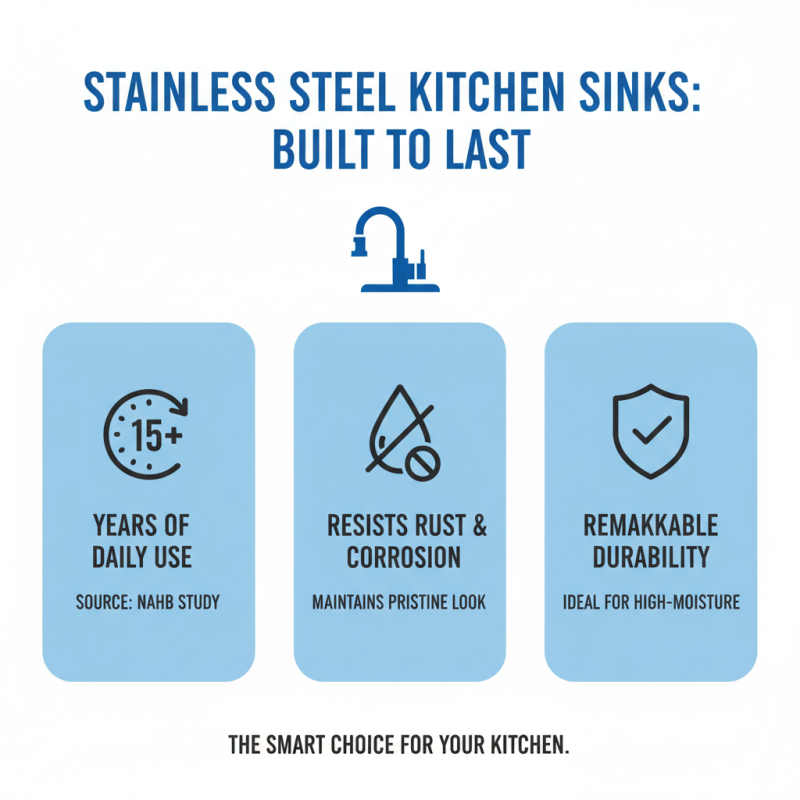
Stainless steel sinks are increasingly popular in kitchens due to their remarkable durability and longevity. A study by the National Association of Home Builders indicates that stainless steel can last over 15 years under daily use. Its resistance to rust and corrosion ensures that it maintains a pristine appearance, even in high-moisture environments.
In addition to longevity, stainless steel's strength is notable. It can withstand heavy pots and pans without scratching or denting easily. According to a report from the American Society for Steel Improvement, the material remains intact even under extreme temperatures. This durability is a vital feature for busy kitchen settings, where accidents happen frequently. However, it's worth considering that improper care or harsh cleaning agents can reduce its lifespan. Regular maintenance is necessary to avoid unsightly water spots or scratches.
Choosing an easy-to-clean stainless steel sink not only enhances kitchen efficiency but also integrates style with practicality. Its sleek surface complements various kitchen designs while remaining functional. Yet, some users may find that it shows fingerprints or smudges, which may require more frequent cleaning. This aspect can be a thoughtful reminder of the balance between beauty and utility in kitchen design.
Aesthetic Appeal: How Stainless Steel Enhances Kitchen Design
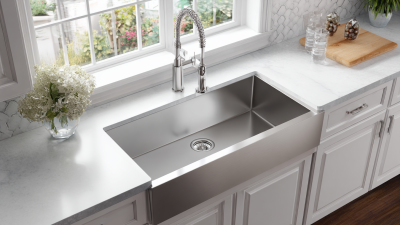
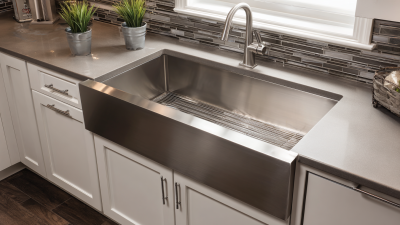
Stainless steel sinks feature a contemporary aesthetic that resonates with today’s kitchen designs. Their sleek, shiny surfaces can enhance both modern and traditional styles, making them versatile additions. A study from the National Kitchen and Bath Association shows that 66% of kitchen remodels prioritize visual appeal. Stainless steel’s reflective qualities create a sense of space, brightening even small kitchens.
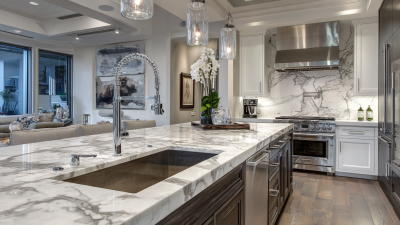
Furthermore, its minimalist vibe complements various cabinet finishes and countertop materials. Research indicates that stainless steel is one of the top three materials chosen for kitchen sinks due to its appeal and durability. This material can adapt to trends and personal tastes, but it may show fingerprints or scratches, which can detract from its sleek look. Regular cleaning is necessary to maintain its best appearance.
While stainless steel sinks offer undeniable benefits, potential buyers should weigh their options. The allure of a beautiful sink might come with maintenance challenges. The balance between aesthetics and upkeep is a constant consideration for homeowners. After all, the choice reflects both style and practicality in a modern kitchen.
Hygienic Properties of Stainless Steel Sinks for Food Preparation
Stainless steel sinks are popular in kitchens for many reasons. One major aspect is their hygienic properties. Stainless steel is non-porous, which means it doesn’t harbor bacteria like other materials might. This quality is vital for food preparation areas. When washing raw vegetables or handling meat, the last thing you want is bacteria lingering in the sink.
Cleaning stainless steel is straightforward. A simple wipe with soap and water can remove food particles and grime. For deeper cleaning, mild abrasives can be used without scratching the surface. Water spots can also be minimized with regular polishing. However, if left dirty, these sinks can accumulate stains and unpleasant odors, prompting the need for more effort to maintain their cleanliness.
Another consideration is how the surface reflects light. This can create bright spaces in kitchens. However, the reflective quality also shows smudges clearly. Regular maintenance is necessary to ensure sinks remain visually appealing and hygienic. Understanding these nuances can help homeowners make informed choices about their kitchen fixtures.
Why Choose an Easy To Clean Stainless Steel Sink for Your Kitchen? - Hygienic Properties of Stainless Steel Sinks for Food Preparation
| Property |
Benefit |
Maintenance |
| Non-Porous Surface |
Prevents bacteria and germs from penetrating |
Easy wipe down with a cloth and mild cleaner |
| Chemical Resistance |
Resists damage from cleaning agents and household chemicals |
Requires minimal use of harsh cleaners |
| Durability |
Lasts for years against dents and scratches |
Regular cleaning keeps it looking new |
| Temperature Resistance |
Withstands high temperatures without warping |
No special treatment required after heat exposure |
| Eco-Friendly |
100% recyclable, minimizing environmental impact |
Sustainable choice for kitchen projects |