Why Do Children Need Their Own Sink in the Bathroom?
In modern family bathrooms, a Children’s Sink has become an essential feature. According to the American Academy of Pediatrics, proper hygiene practices in early childhood can reduce illness rates by up to 30%. A sink designed for children encourages independence and responsibility. Children learn to wash their hands regularly, fostering lifelong habits.
However, not all homes prioritize this feature. Many bathrooms still lack a child-friendly sink, making it challenging for young ones. Experts emphasize that a sink at a lower height allows easy access, promoting self-sufficiency. This can be particularly important in homes with multiple children, where the wait for adult-sized sinks can lead to misunderstandings about hygiene.
Children's sinks also provide parents with peace of mind. When kids can wash their hands independently, they feel empowered and confident. Yet, many parents overlook this aspect while designing their bathrooms. A small change can result in significant health benefits and behavioral growth, showcasing the importance of a dedicated Children’s Sink in every family bathroom.
Importance of Personal Hygiene for Children
Having a dedicated sink for children in the bathroom can greatly enhance their
personal hygiene. Children are
naturally curious and often forget to wash their hands. A sink at their height
encourages them to practice cleaning their hands regularly. With colorful soap
dispensers, they find the experience fun and engaging. Kids who wash their hands
frequently are less likely to get sick.
Teaching children about personal hygiene is essential. They need to understand why washing hands is important.
It's not just about cleanliness; it's about health. Many germs can be eliminated
with simple soap and water. However, some children may still forget. A small sign
by the sink can remind them, but it needs to be clear and straightforward.
Encouraging kids to brush their teeth is another vital aspect. A child-friendly
sink can make this routine easier. However, it's common for children to rush
through their brushing. They may skip parts or use too little toothpaste.
Parents can step in during this time to guide them. Making it interactive can
turn hygiene into a shared activity, reminding them of its value.
Encouraging Independence and Responsibility in Kids
Having a dedicated sink for children in the bathroom promotes independence and responsibility. When kids have their own sink, they learn to manage basic hygiene tasks. Washing hands becomes their own responsibility. They can do it whenever needed, not waiting for an adult. This routine builds a sense of accomplishment.
Using a child-sized sink encourages them to take charge of their cleanliness. They can brush their teeth without assistance, allowing them to feel mature. However, this also means their space may get messy. Toothpaste might end up everywhere. Knowing this, parents can guide kids on cleaning up after themselves—an important lesson.
Children enjoy having their own space. It gives them a sense of ownership. Yet, they might struggle with frustration when things don’t go as planned. Learning to adjust expectations is part of growth. A sink for kids is not just about grooming. It’s a step toward teaching them life skills, independence, and responsibility.
Design Considerations for Child-Sized Sinks
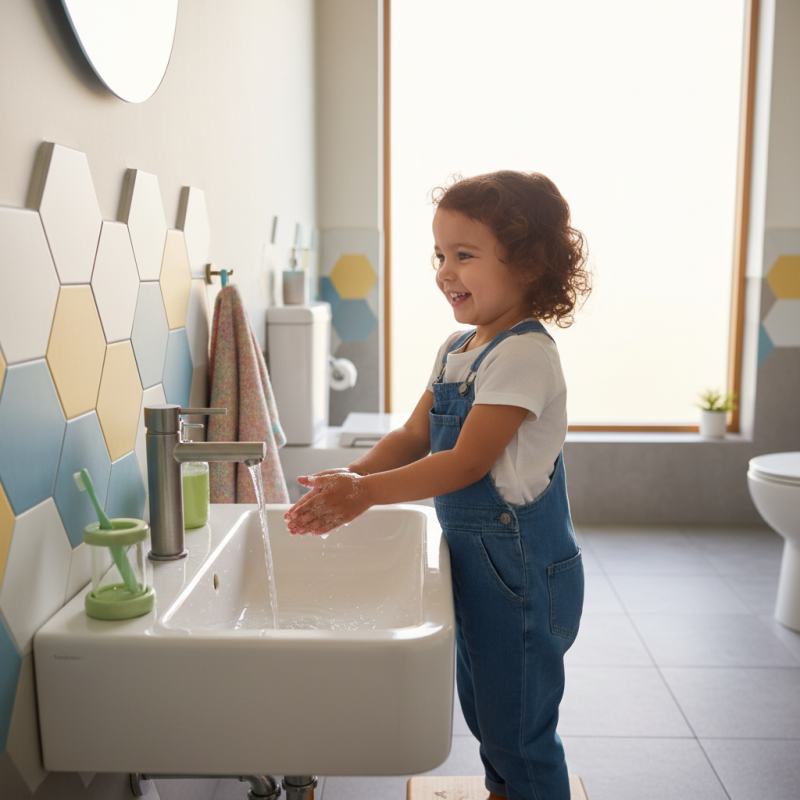
When designing a child-friendly bathroom, the dimensions and functionality of sinks are crucial. A child-sized sink should be low enough for kids to reach comfortably. This promotes independence as they learn to wash their hands and brush their teeth. The faucet should be easy to operate. Lever handles or touchless sensors can make a big difference.
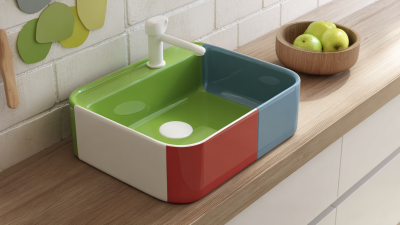
The choice of materials also matters. Sinks made from durable, non-toxic materials withstand rough handling. Kids can be messy, and a surface that is easy to clean is essential. Vibrant colors or fun shapes can make the sink more appealing. Children are more likely to enjoy washing their hands in a sink that excites them.
However, not every design will be perfect. Some parents may find that their child still struggles to reach the faucet, even with a smaller sink. Others might notice that the faucet design can be confusing. Reflecting on these elements can lead to better designs in the future. A thoughtful approach ensures that these spaces support children's needs effectively.
Benefits of Having a Separate Sink in Family Bathrooms
When it comes to family bathrooms, having a separate sink for children brings many benefits. A child-sized sink encourages good hygiene habits. Kids can wash their hands easily after playtime or before meals. This simple act can reduce illness and promote health in the family.
Additionally, a separate sink fosters independence. Children learn to manage their own routines. They brush their teeth, wash their hands, or even splash water without adult supervision. This freedom builds confidence. But sometimes, it leads to messes. Water might end up on the floor. Parents need to remind kids to clean up.
**Tips for Maintaining a Child’s Sink:**
1. Choose a sink with a splash guard to minimize mess.
2. Use non-toxic, kid-friendly cleaning products for safety.
3. Encourage kids to return items to their place after use.
Creating a space just for them makes bathing routines fun. It transforms a simple task into an engaging experience. Yet, not every child will take to it immediately. Some might resist the change. Patience and consistent reminders help guide them. Adapting a bathroom for kids means considering their needs. It’s a balance of functionality and fun.
Why Do Children Need Their Own Sink in the Bathroom? - Benefits of Having a Separate Sink in Family Bathrooms
| Benefit |
Description |
Age Group |
Impact on Routine |
| Promotes Independence |
Children can wash hands and face without adult help, fostering self-sufficiency. |
3-7 years |
Encourages quicker routines. |
| Improves Hygiene |
Having their own sink can lead to better personal hygiene practices among children. |
5-10 years |
Reduces the spread of germs. |
| Encourages Responsibility |
Children learn to take care of their personal space and cleanliness. |
4-8 years |
Helps establish routines. |
| Reduces Wait Time |
Multiple sinks can help alleviate congestion during busy morning and bedtime routines. |
All ages |
Speeds up family routines. |
| Enhances Personal Space |
Children appreciate having their own designated area for chores. |
3-12 years |
Encourages a sense of ownership. |
Promoting Healthy Habits Through Accessible Facilities
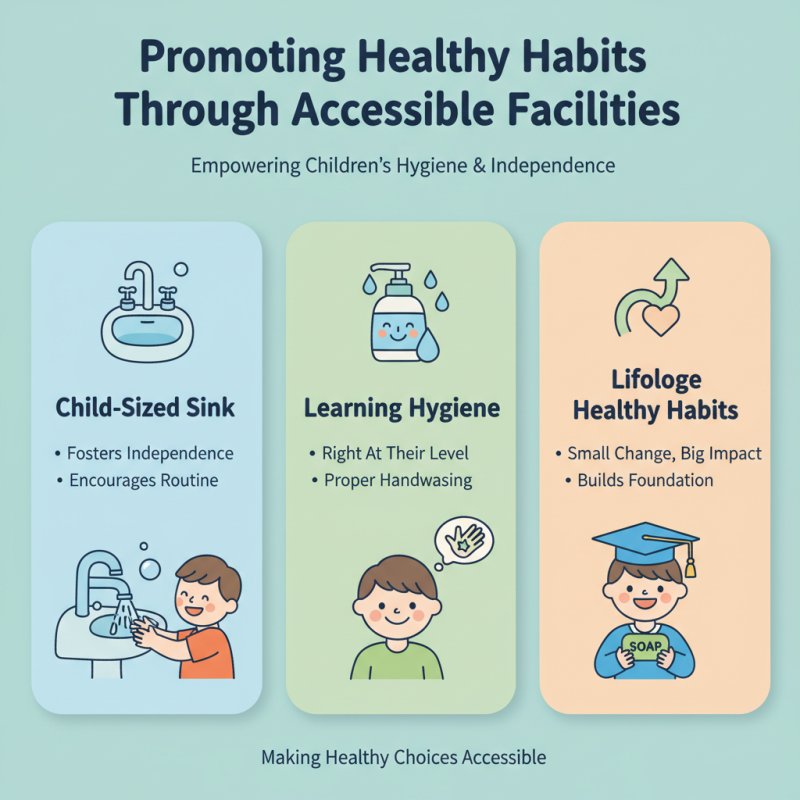
Creating a space just for children in the bathroom can make a significant difference. A child-sized sink fosters independence. It's not just about washing hands; it’s a chance for routine. Children learn the importance of hygiene right at their level. When they can reach the faucet, they're more likely to wash their hands properly. This small change can promote lifelong healthy habits.
Accessible facilities encourage kids to engage. They can brush their teeth, wash their faces, or simply learn to care for their personal hygiene. When they see a sink that's meant for them, there's a sense of ownership. However, it’s essential to realize that children often forget. A colorful reminder, like stickers, can help. Not every child will remember every time. Mistakes will happen, and that’s okay too; learning is a process.
Ultimately, having their sink leads to more responsibility. Children can take charge of their health in a meaningful way. Small steps can lead to big changes. We must reflect on how we can make restrooms more child-friendly. Simple adjustments can transform their bathroom experience into something positive and empowering.