

Inquiry
Form loading...
Choosing the right sink affects daily comfort, kitchen hygiene, and bathroom maintenance. In 2026, Stainless Steel Kitchen And Bathroom Sinks remain popular for their strength, clean appearance, and practical value. However, stainless steel is not automatically the best choice for every room. Grade, thickness, bowl depth, surface finish, and installation style all influence performance. A beautiful sink can still disappoint if it produces excessive noise or lacks enough space for washing.
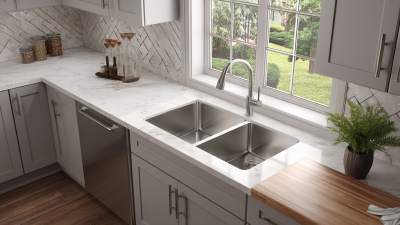
This guide examines the leading types of stainless steel sinks for modern kitchens and bathrooms. It compares single-bowl, double-bowl, farmhouse, undermount, top-mount, workstation, and compact handwashing designs. Each type serves a different routine. A deep single bowl may hold a large roasting pan, while a divided model supports washing and rinsing simultaneously. In a bathroom, a smaller round or rectangular basin can protect valuable counter space. The details matter.
Practical experience also reveals less obvious concerns. Professional installers often check cabinet strength, drainage alignment, countertop thickness, and splash control before recommending a model. Manufacturers may describe steel as durable, but actual quality depends on alloy composition and production standards. Look for clear specifications rather than vague marketing claims. No sink is perfect. Even a premium basin may show water spots, scratches, or fingerprints. That is not necessarily a defect, but it requires realistic care expectations. This overview helps readers connect material quality with household habits, design goals, and long-term maintenance. Some preferences remain subjective, and that deserves honest consideration.
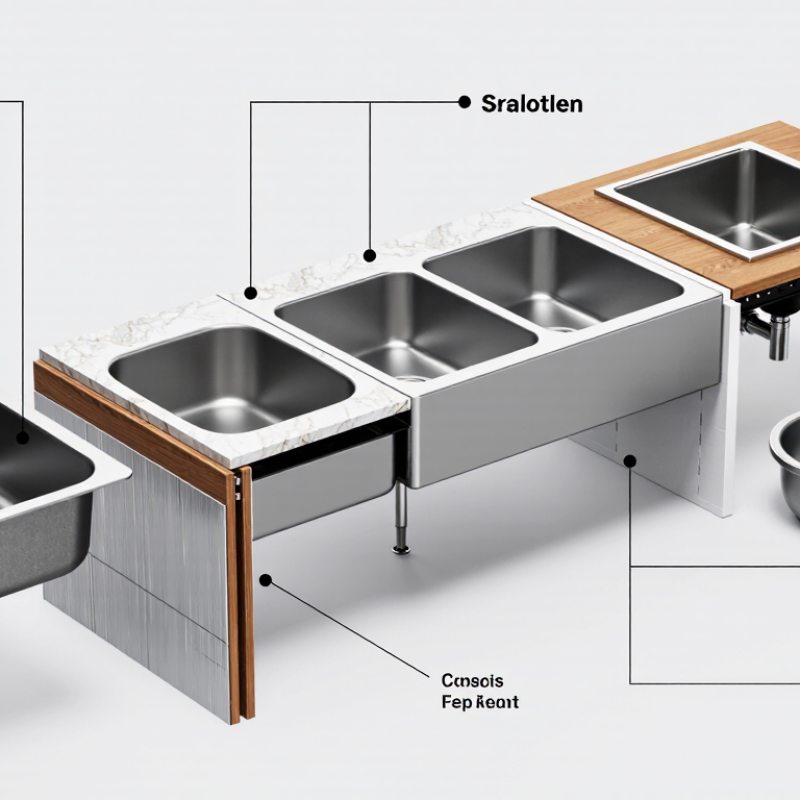
2026 Top Types of Stainless Steel Kitchen and Bathroom Sinks
Stainless steel remains practical for undermount, top-mount, workstation, and compact bathroom sinks. Its performance depends heavily on the steel grade, not only the sink’s shape. Grade 304 is widely used because it offers strong corrosion resistance and easy cleaning. It typically contains at least 18% chromium and about 8% nickel. Chromium forms a thin protective oxide layer when exposed to air. That layer helps resist stains, moisture, and everyday kitchen acids.
Grade 316 adds molybdenum, which improves resistance to chlorides and salty environments. However, its chromium content may vary by specification and commonly falls around 16% to 18%. Therefore, checking the certified material standard matters more than trusting a simple label. This detail is often missed. No grade is perfect. Scratches, harsh cleaners, standing water, and poor installation can still damage the surface. A reliable sink should also have consistent welds, even corners, and a smooth finish under bright light.
Tips: Ask for the exact grade and test report before buying. Use a soft sponge and mild detergent after cooking. Dry the basin around the drain and rim. For coastal homes, 316 may deserve consideration. For most indoor kitchens and bathrooms, verified 304 steel offers a sensible balance of durability, hygiene, and cost.
| Sink Type | Typical Application | Common Configuration | Typical Material Thickness | Recommended Stainless Grade | Typical Finish | Main Advantages | Important Considerations |
|---|---|---|---|---|---|---|---|
| Single-Bowl Kitchen Sink | Everyday residential kitchens and compact food-preparation areas | One deep bowl, usually with an integrated or separate drainboard | Approximately 0.8–1.2 mm | 304 | Brushed, satin, or lightly textured | Large uninterrupted washing area, easy cleaning, and good resistance to normal food acids and moisture | Sound-deadening pads or undercoating can reduce noise and condensation |
| Double-Bowl Kitchen Sink | Kitchens where washing and rinsing are performed simultaneously | Two bowls of equal or unequal size with a central divider | Approximately 0.8–1.2 mm | 304 | Brushed or satin | Separates tasks and can simplify food preparation and dishwashing | The divider may limit the usable space for large cookware |
| Workstation Sink | Food-preparation-focused kitchens | Single or double bowl with ledges for sliding accessories | Approximately 1.0–1.5 mm | 304; 316 for harsher exposure | Brushed, satin, or nano-textured | Combines washing, chopping, draining, and colander functions in one area | Accessories and ledges require regular cleaning to prevent residue buildup |
| Farmhouse or Apron-Front Sink | Large residential kitchens and traditional-style installations | Deep single or double bowl with an exposed front apron | Approximately 1.0–1.5 mm | 304 | Brushed or satin | Comfortable front access, generous capacity, and strong visual presence | Cabinetry and support framing must be designed for the sink’s filled weight |
| Bar or Prep Sink | Home bars, islands, beverage stations, and secondary kitchens | Compact round, square, or rectangular single bowl | Approximately 0.8–1.2 mm | 304 | Brushed, satin, or polished | Space-efficient and suitable for rinsing glasses, produce, and bar utensils | Limited bowl volume makes it unsuitable for large cookware |
| Utility or Laundry Sink | Laundry rooms, workshops, mudrooms, and service areas | Deep single bowl, often with a wall-mounted or floor-supported structure | Approximately 1.0–1.5 mm | 304; 316 in coastal or chemically aggressive locations | Satin or brushed | Deep basin accommodates soaking, cleaning tools, and household maintenance tasks | Frequent exposure to bleach, chlorides, or strong chemicals requires careful rinsing |
| Undermount Bathroom Sink | Residential and hospitality bathroom vanity installations | Small oval, round, or rectangular bowl mounted below the countertop | Approximately 0.8–1.0 mm | 304 | Satin, brushed, or polished interior | Clean countertop lines, easy wipe-down, and good resistance to normal bathroom humidity | Countertop cutout, support, and waterproof sealing must be accurately installed |
| Countertop or Drop-In Bathroom Sink | Vanities where the sink rim rests on or above the countertop | Round, oval, or rectangular bowl with a visible rim | Approximately 0.8–1.0 mm | 304 | Polished, satin, or brushed | Generally straightforward to install and suitable for many countertop materials | The exposed rim can collect water or soap residue if not wiped regularly |
| Wall-Mounted Bathroom Sink | Compact bathrooms, accessible washrooms, and commercial facilities | Single bowl attached directly to a wall with concealed or exposed supports | Approximately 1.0–1.5 mm | 304; 316 for marine or high-chloride environments | Satin or brushed | Creates open floor space and can support flexible installation heights | Wall structure and brackets must safely carry the filled sink and applied loads |
| Commercial Hand-Wash Sink | Food-service, healthcare, laboratory, and public washroom environments | Compact basin with rear or side splashback and hands-free faucet compatibility | Approximately 1.0–1.5 mm | 304; 316 where chloride exposure is elevated | Brushed or satin | Hygienic, durable, easy to sanitize, and compatible with frequent use | Local plumbing, hygiene, accessibility, and splash-control requirements may apply |
| Marine or Coastal-Use Sink | Boats, seaside properties, outdoor kitchens, and salt-air locations | Single or double bowl with secure mounting and controlled drainage | Approximately 1.0–1.5 mm | 316 | Brushed or satin | Improved resistance to pitting and crevice corrosion in chloride-rich environments | 316 is more resistant, not completely corrosion-proof; regular salt removal remains necessary |
Grade composition reference: Austenitic stainless steel commonly identified as 304 contains approximately 18–20% chromium and 8–10.5% nickel. Grade 316 commonly contains approximately 16–18% chromium, 10–14% nickel, and 2–3% molybdenum, subject to the applicable product standard.
Why chromium matters: Chromium forms a thin, self-healing passive oxide layer that helps protect the steel from corrosion. Molybdenum in 316 generally improves resistance to chloride-induced pitting compared with 304.
Accuracy note: 304 is commonly specified with at least 18% chromium, while standard 316 specifications may have a chromium minimum below 18%. Therefore, 316 should not be described as universally containing at least 18% chromium without identifying the exact standard and material certificate.
Specification note: Thicknesses and finishes shown are typical product ranges rather than universal requirements. Final selection should be verified against the applicable material standard, forming method, installation conditions, and local plumbing regulations.